Prehistoric Animals: The Dinosaur Encyclopedia with Facts Instead of Myths
The Brachiosaurus from "Jurassic Park" is structurally similar to a Giraffatitan from Africa. The T-Rex ran at a pace more like a human than a racehorse. And the Plateosaurus, the first dinosaur fossil found in Germany, has had a different species name since 2019.
Urzeittiere.net clears up such misconceptions. Here you'll find over 100 fact sheets about dinosaurs. They are based on fossil finds and scientific studies, not fan wikis. What is established is presented as fact. What research only suggests is marked as a hypothesis.
Where do you want to start?
All dinosaur fact sheets
Every profile at a glance.
Dinosaur species from A to Z
Over 1,100 dinosaurs in one table. You can filter by age, diet, and location.
Dino filter
Search for your dinosaurs by geological era, diet, gait, or country of origin.
Triassic, Jurassic, Cretaceous
When did which dinosaurs live? A comparison of the three ages.
Dinosaurs from Germany
Which dinosaurs were found here and where.
Locations on the world map
Where in the world the bones lay.
The weapons of the dinosaurs
Horns, tail clubs and more: This is how dinosaurs defended themselves.
The 15 most famous dinosaurs
The stars that almost every child knows.
Four dinosaurs, four misconceptions
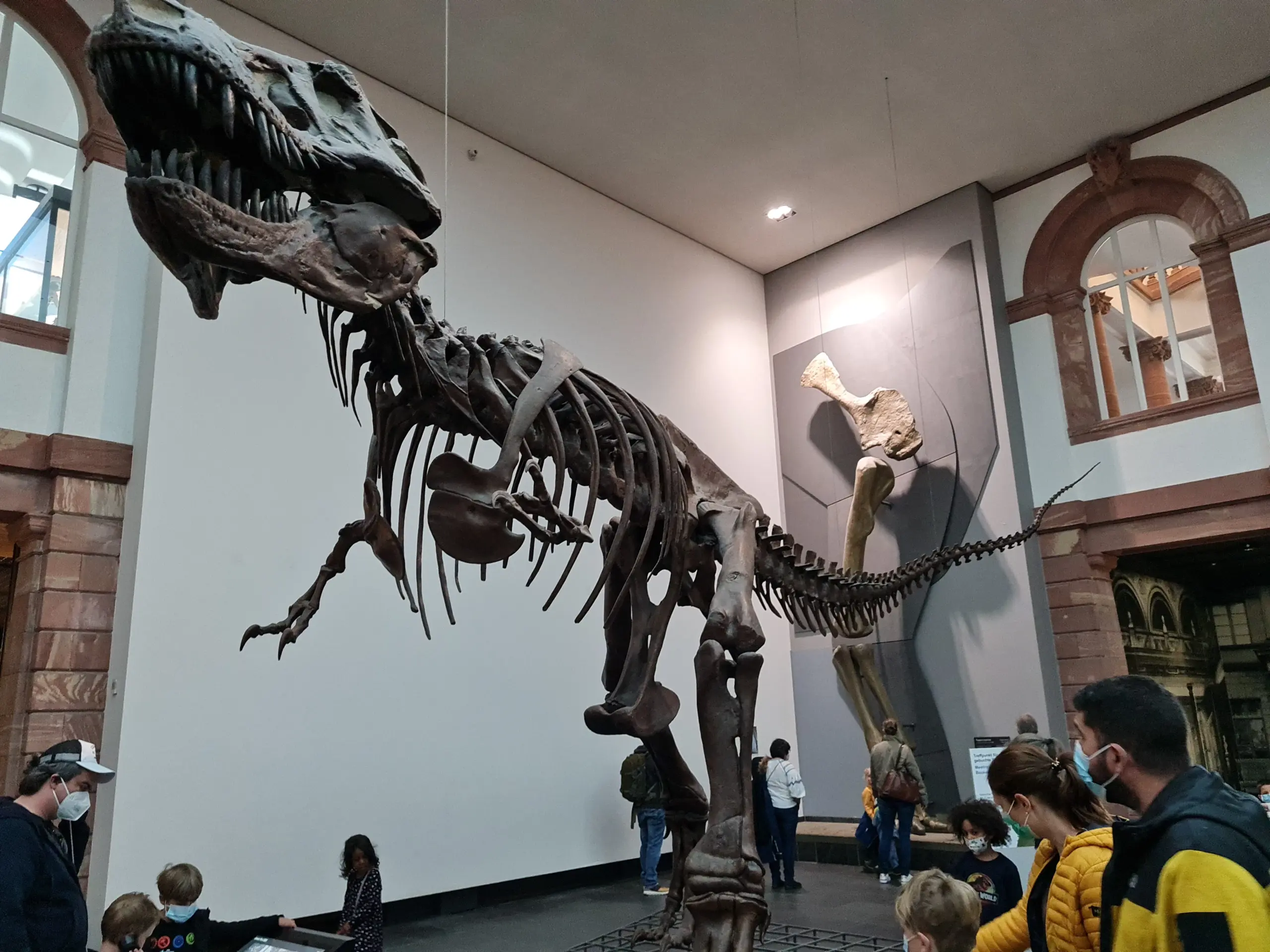
Tyrannosaurus rex: not a sprinter
Older estimates suggested it could reach speeds of up to 53 km/h. Newer models indicate speeds of 19 to 27 km/h. That's about as fast as a human sprinting.
View profile →
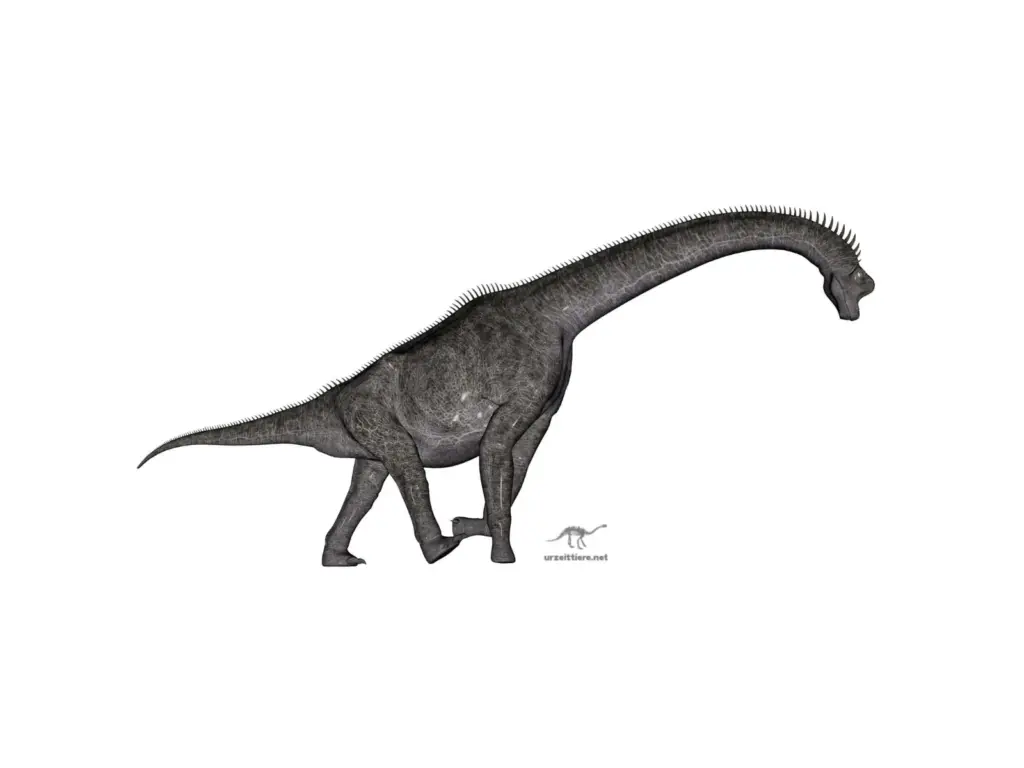
Brachiosaurus: often confused
The skeleton in Berlin, the dinosaur from "Jurassic Park," almost every toy figure: they all depict Giraffatitan from Africa. The real Brachiosaurus lived in North America.
View profile →
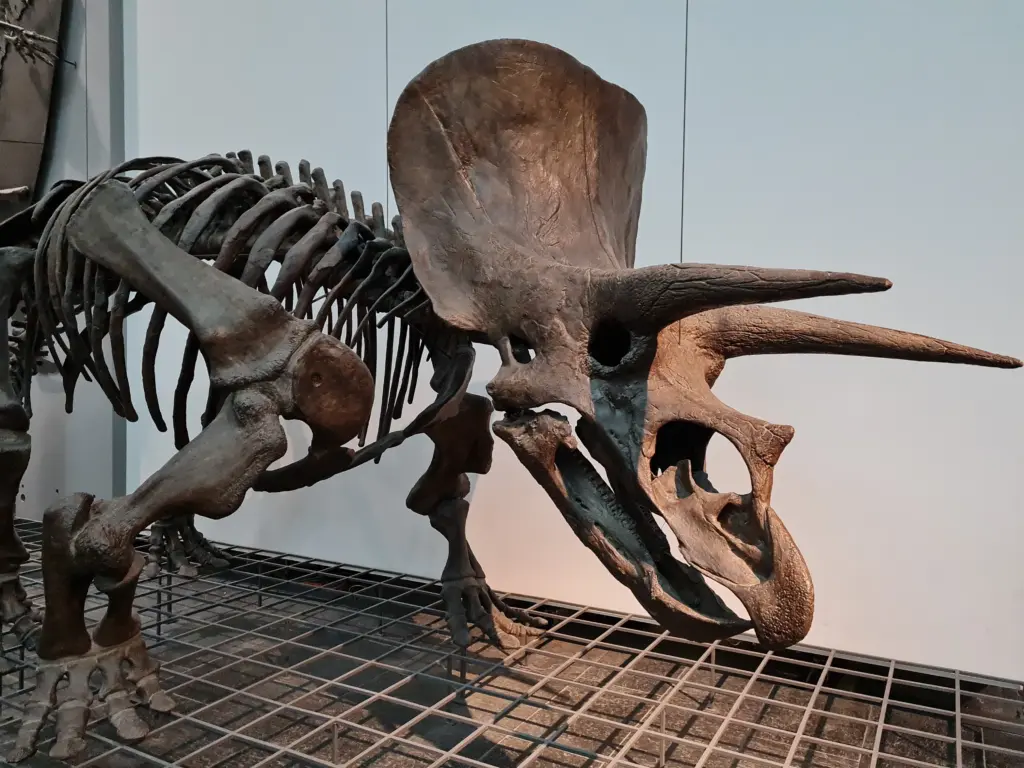
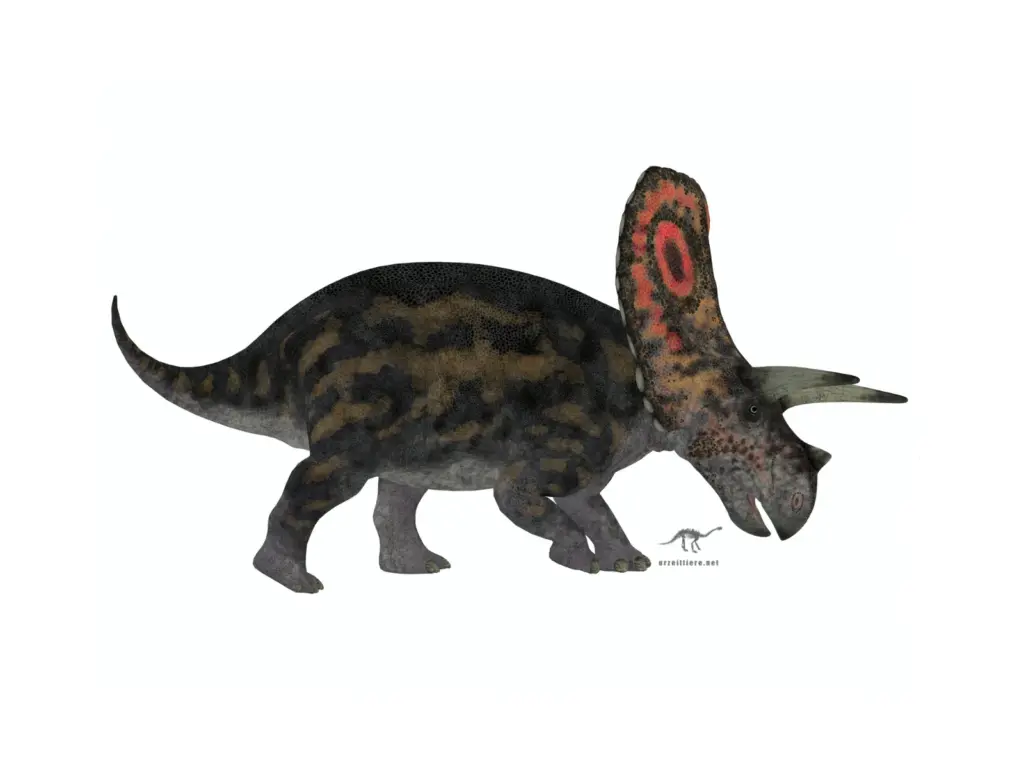
Triceratops: a head like a small car
His skull grew to over 2.5 meters long. The two horns above his eyes grew up to one meter long.
View profile →
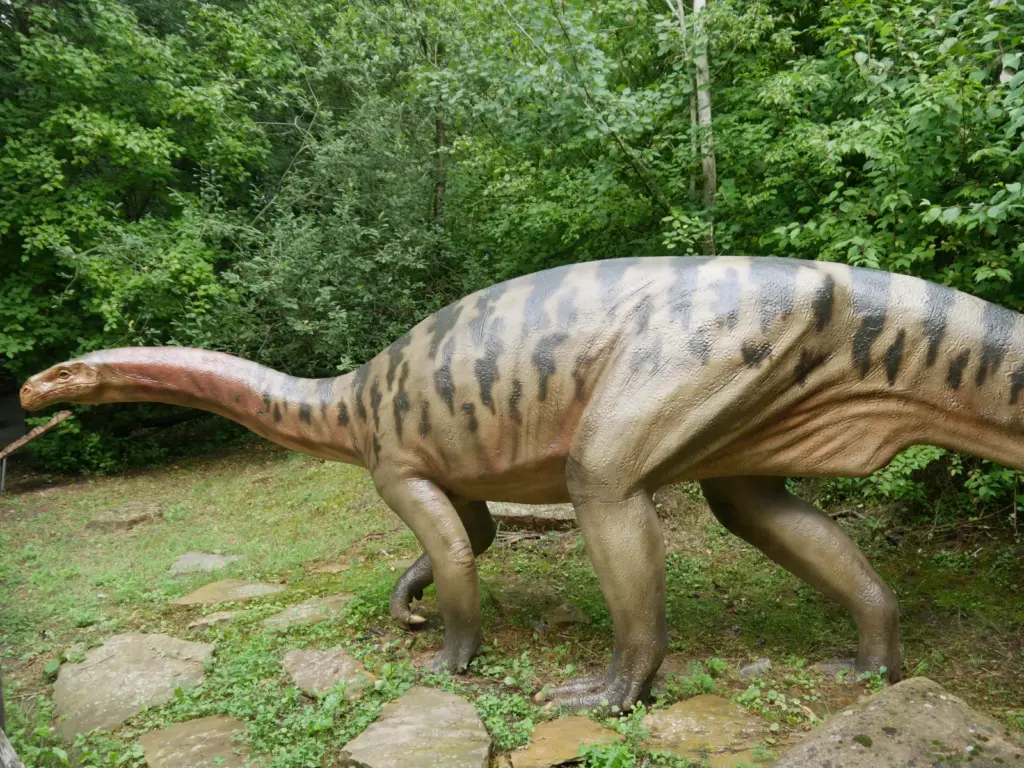
Plateosaurus: new name, old acquaintance
In 1834, a collector near Nuremberg found the first bones, the first dinosaur find in Germany. Since 2019, Plateosaurus trossingensis has officially been considered the definitive species.
View profile →
New in the lexicon
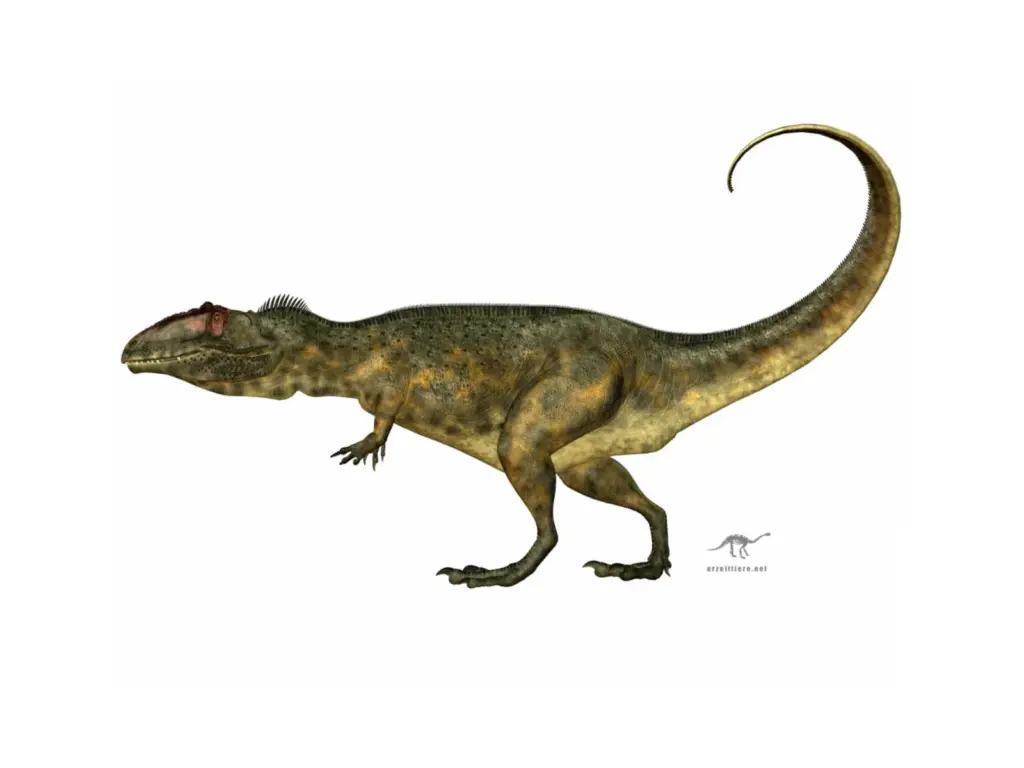
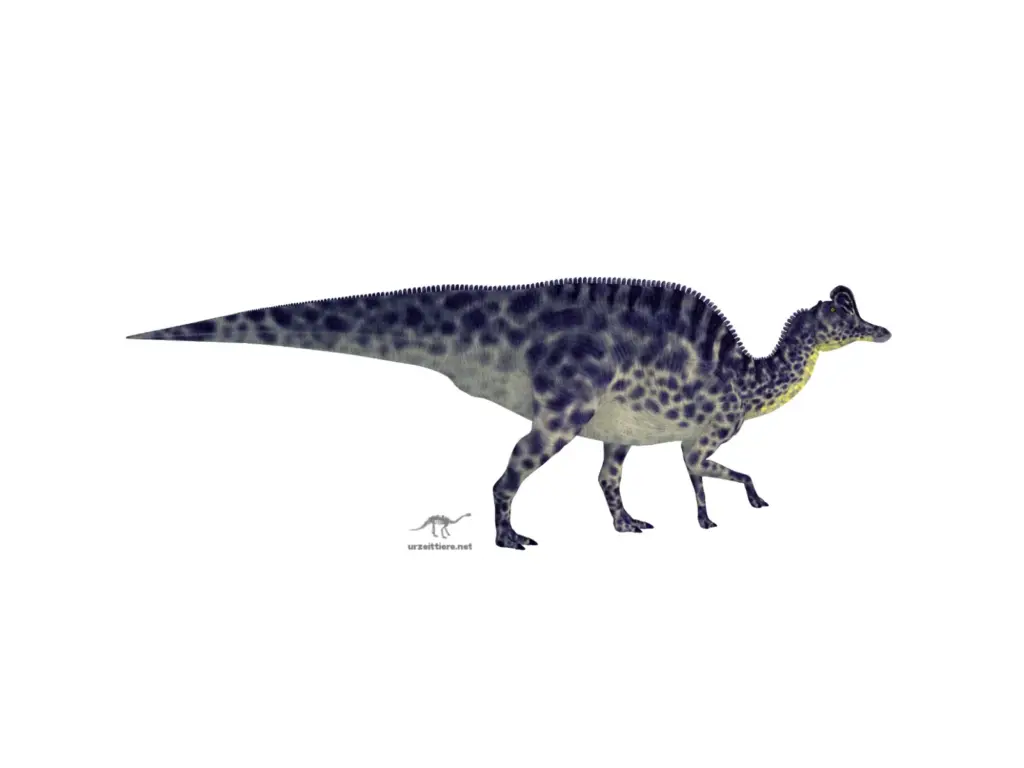
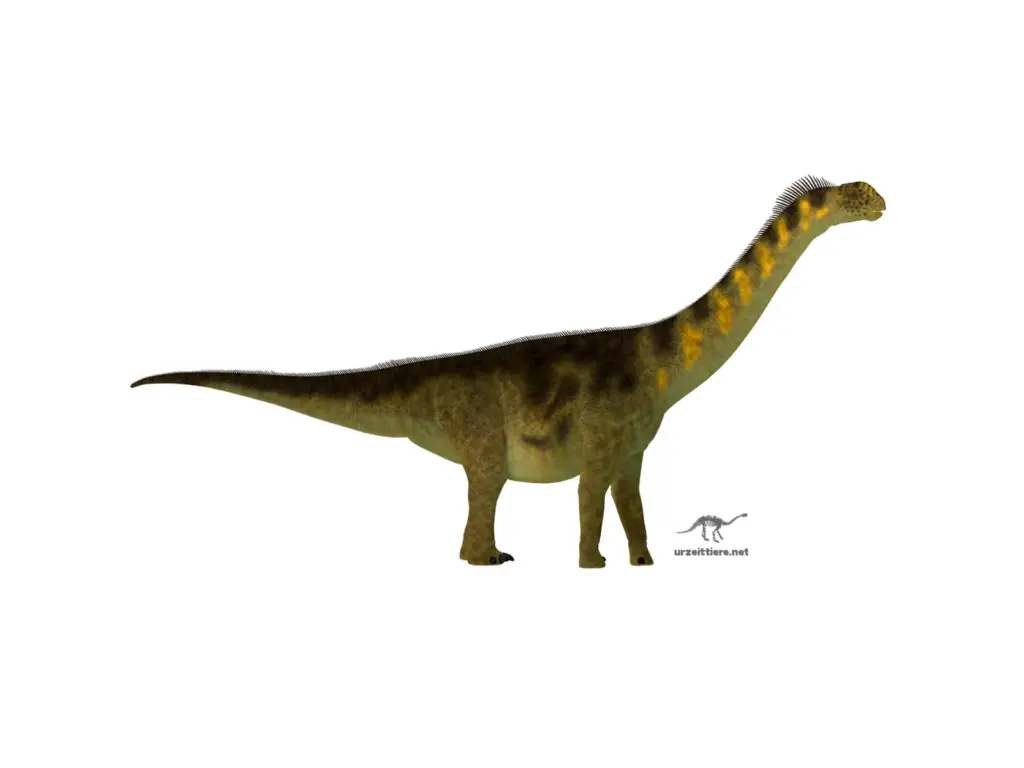
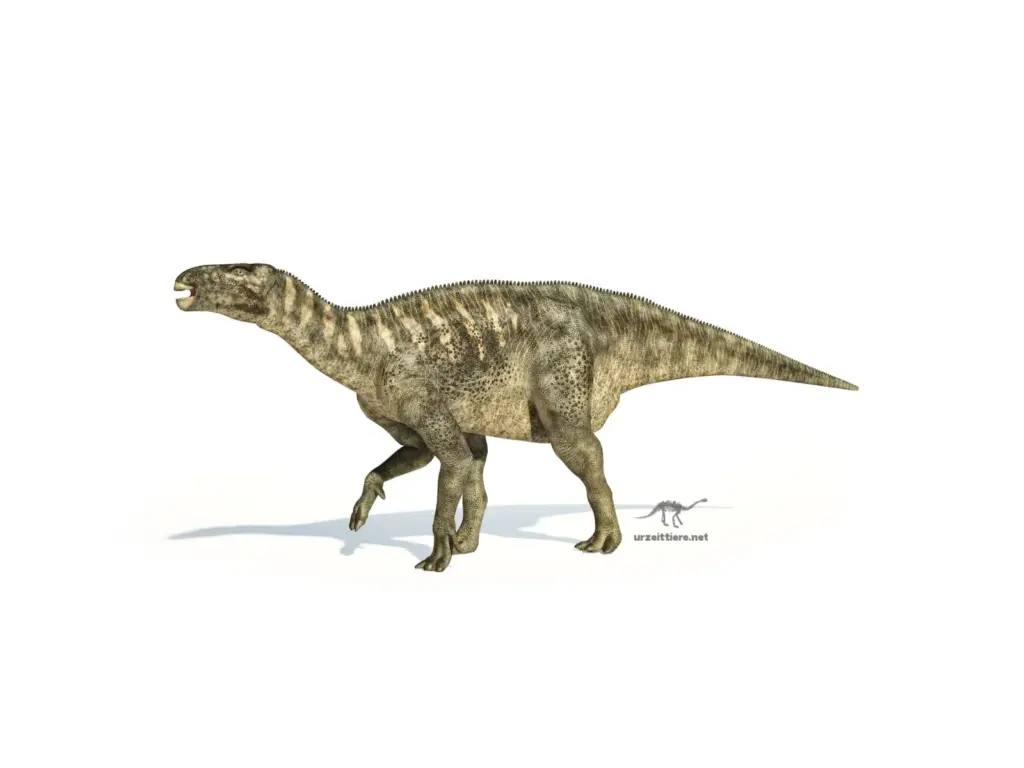
From research
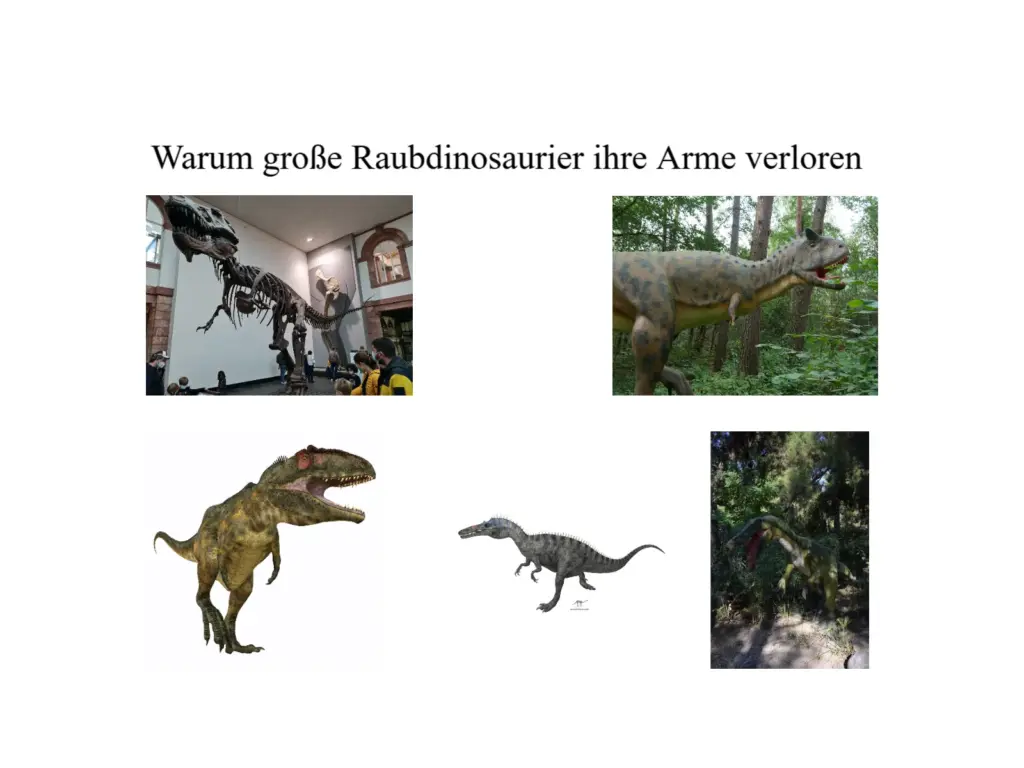
Stubby arms: Why large predatory dinosaurs lost their arms
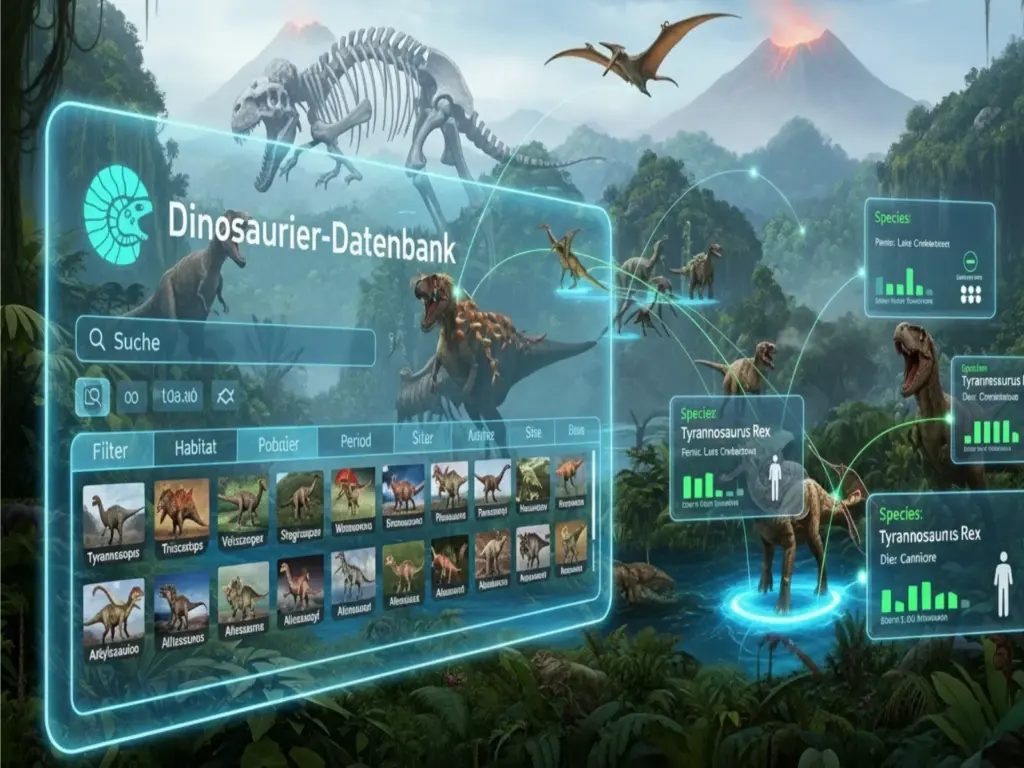
Dinosaur species from A to Z: all 1,133 names in one database
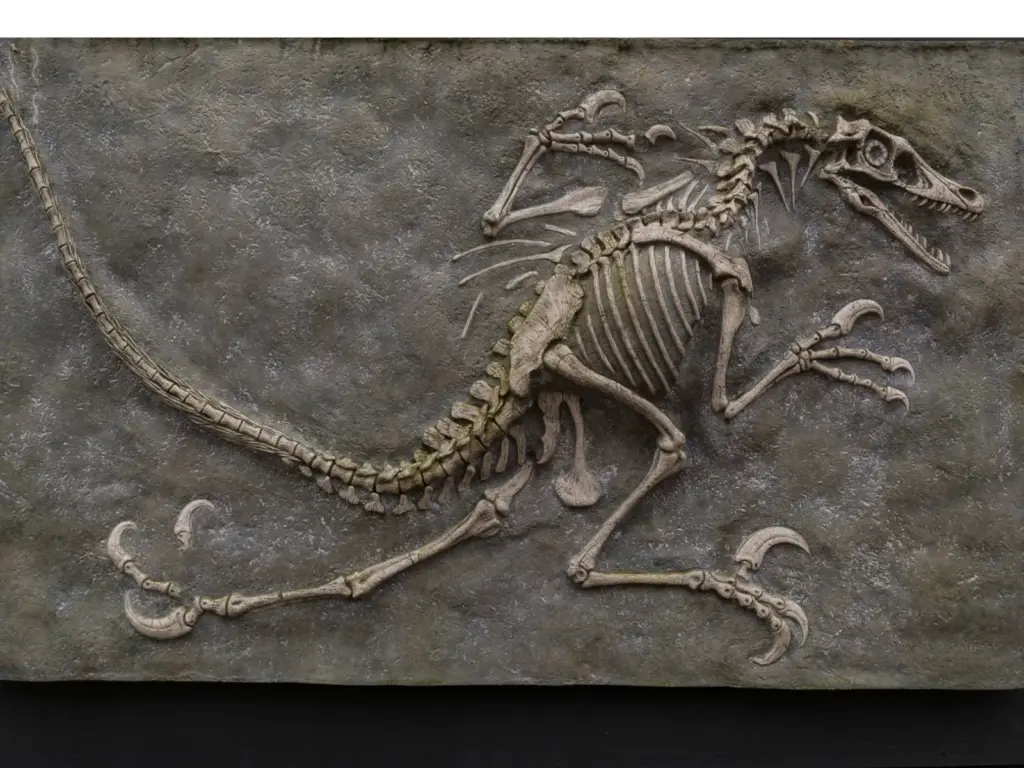
What are fossils? How dinosaurs left their traces on Earth.
Who writes here
My name is Ralf. I'm not a paleontologist, but a physiotherapist. My daily life revolves around bones, joints, and movement. This is the perspective I use when reading studies on dinosaurs. How did a giant bear its weight? How far could a predatory dinosaur's arm move?
Many of the photos on this page were taken by me. They come from the Dinosaur Park Münchehagen, the Natural History Museum Braunschweig, and the Senckenberg Museum Frankfurt.