What are fossils? How dinosaurs left their mark on Earth
Fossils are tangible links to Earth's distant past, providing insights into ancient ecosystems and the creatures that once populated our planet. Among these prehistoric remains, dinosaur fossils occupy a special place in scientific research and public fascination. This article examines the nature of fossils, with particular emphasis on dinosaur fossils, and explains how these ancient beings left lasting evidence of their existence on Earth.
What are fossils?
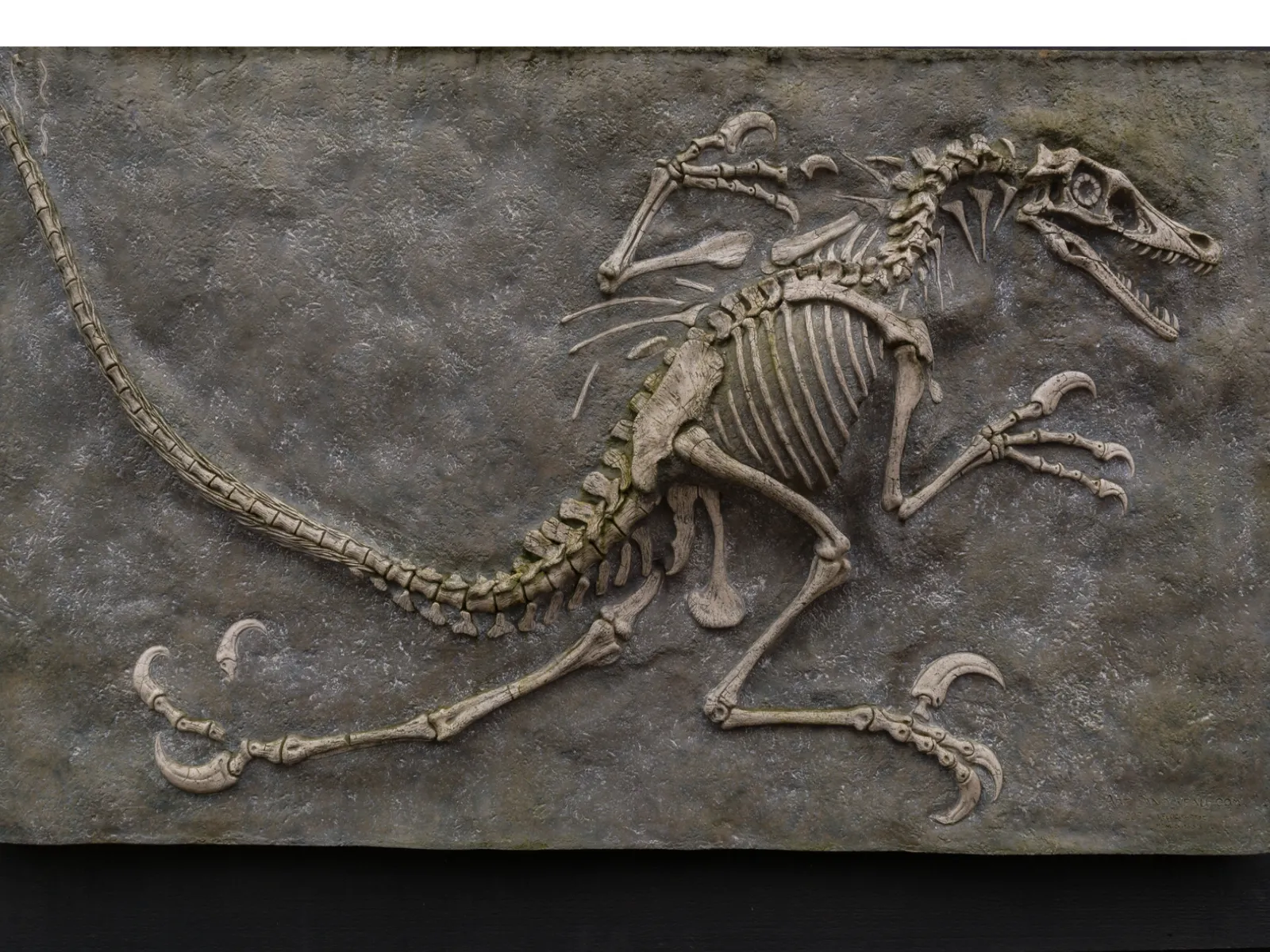
Fossils are the preserved remains or traces of ancient life forms, usually older than 10,000 years. These geological records include a variety of preserved materials including:
- Body fossils: Preserved remains of parts of an organism such as bones, teeth or shells.
- Trace fossils: evidence of the activity of organisms such as footprints, caves or coprolites (fossilized feces).
- Chemical fossils: Biochemical signatures left by organisms in rocks.
Fossilization occurs through various processes, most notably when sediments quickly bury organic remains, protecting them from decay and scavengers. Over time, minerals replace the original organic material and form a rock-like replica of the organism.
The formation of dinosaur fossils
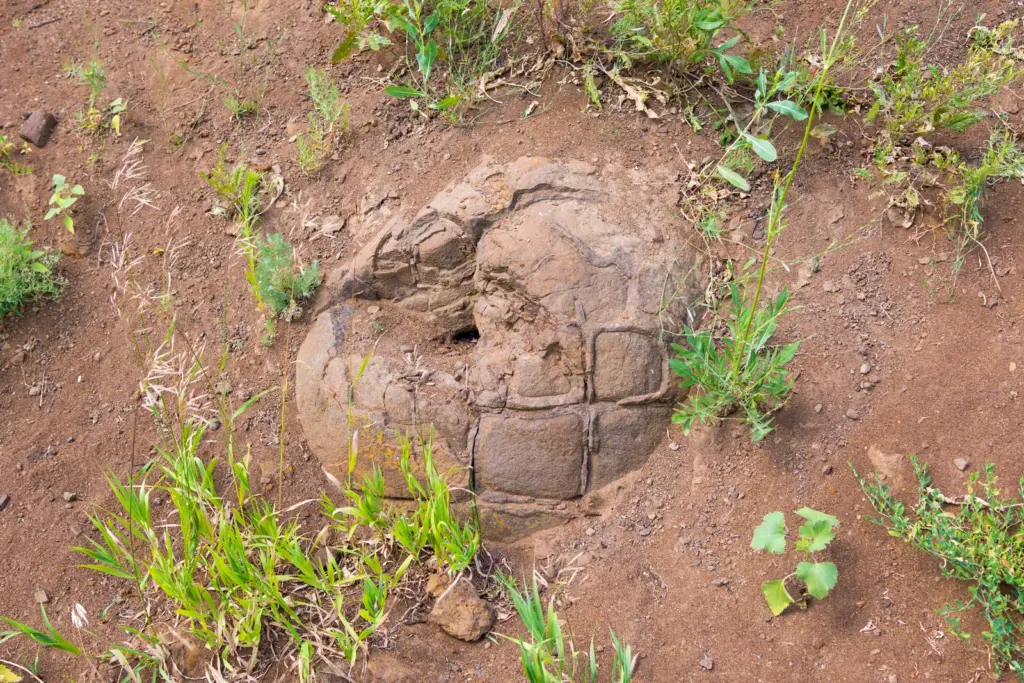
Dinosaur fossils are formed through various mechanisms:
Permineralization
In this process, minerals transported by groundwater fill the pores and cavities of buried bones. As the organic material breaks down, these minerals crystallize and form a detailed stone replica of the original bone structure.
Substitute
Sometimes the original bone material dissolves completely and is replaced atom by atom by minerals. This process allows intricate details of the internal bone structure to be preserved.
Carbonation
In rare cases, the intense heat and pressure of fossilization compresses the organic material, leaving a thin film of carbon behind. This process often preserves soft tissue such as skin or feathers.
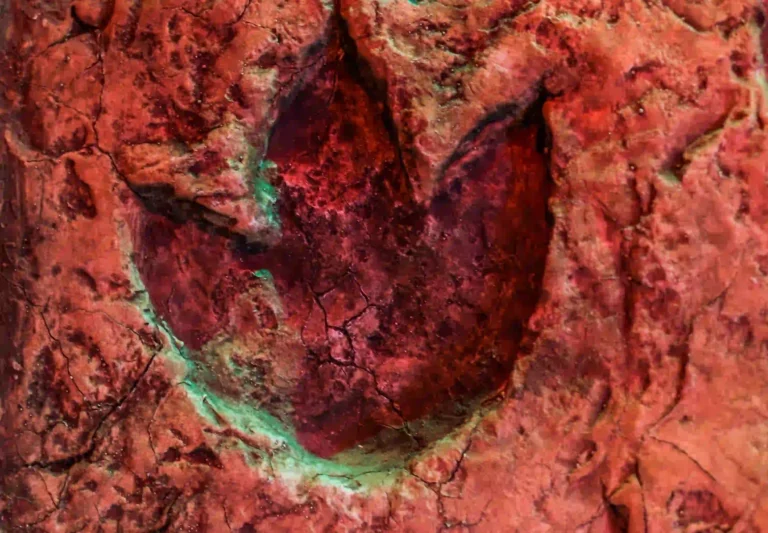
Imprints and casts
When a dinosaur's body has completely decomposed, it can leave an imprint in the surrounding sediment. This negative impression is called an impression. When this mold fills with sediment or minerals, a cast is created - a three-dimensional replica of the original organism.
Types of Dinosaur Fossils
Paleontologists come across different types of dinosaur fossils:
- Skeletal remains: Bones, teeth and claws are the most common dinosaur fossils.
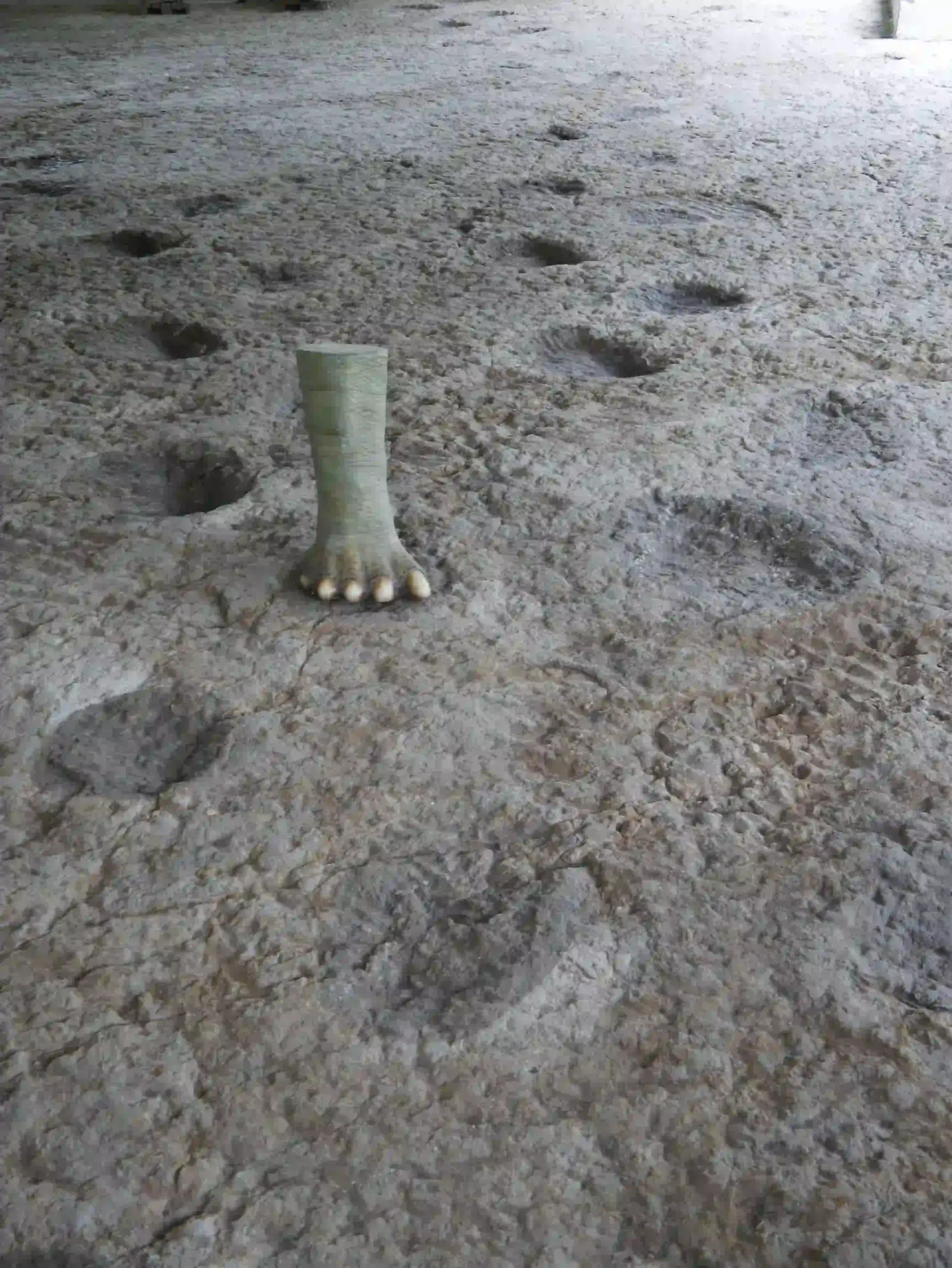
- Footprints and running tracks: These trace fossils provide information about the behavior and locomotion of dinosaurs.
- Eggs and Nests: Fossilized dinosaur eggs and nesting sites provide insight into reproductive strategies and parental care.
- Skin impressions: Rare fossilized skin structures provide information about the appearance of dinosaurs.
- Gastroliths: Stomach stones used for digestion by some dinosaurs occasionally fossilize.
- Coprolites: Fossilized feces provide information about the diet and digestive processes of dinosaurs.
The Importance of Dinosaur Fossils
Dinosaur fossils play a crucial role in paleontological research:
Evolutionary insights
By studying dinosaur fossils, scientists can trace the evolutionary history of these ancient reptiles and identify ancestry relationships and evolutionary adaptations.
Reconstruction of the paleoenvironment
The presence of certain dinosaur fossils in specific rock layers helps researchers reconstruct ancient ecosystems and climates.
Behavioral Studies
Trace fossils such as footprints and nesting sites allow paleontologists to draw conclusions about the behavior, social structures and habits of dinosaurs.
Extinction events
The distribution and sudden absence of dinosaur fossils in the geologic record provide evidence of mass extinction events, particularly the Cretaceous-Paleogene extinction event that marked the end of non-avian dinosaurs.
Challenges in Preserving Dinosaur Fossils
Several factors influence the preservation of dinosaur fossils:
- Rapid burial: Rapid burial in sediment increases the likelihood of fossilization.
- Environmental Conditions: Certain environments, such as anaerobic conditions, promote conservation.
- Size and composition of the organism: Larger, more robust bones are more likely to fossilize than delicate structures.
- Geological processes: Tectonic activity, erosion and metamorphism can destroy or alter fossils.
Modern techniques in dinosaur fossil research
Advances in technology have revolutionized the study of dinosaur fossils:
- CT scans: Allow non-destructive examination of the interior of fossils.
- 3D Modeling: Creates detailed digital reconstructions of dinosaur anatomy.
- Geochemical Analysis: Provides information about dinosaur diet, habitats, and physiology.
- Molecular paleontology: Examines preserved biomolecules for genetic information.
Conclusion
Dinosaur fossils are like windows into a world long gone, allowing scientists to reconstruct the history of these magnificent creatures that dominated the Earth for over 160 million years. By carefully studying these preserved remains, paleontologists continue to unlock the mysteries of dinosaur biology, behavior, and evolution. As research techniques advance, each new discovery of dinosaur fossils brings us closer to understanding the complex history of life on our planet.