Dinosaurs from Germany
Dinosaurs
who lived in Germany
Thousands of dinosaurs have already been discovered and scientifically described around the world. But what about Germany? Were there dinosaurs in Germany? And if so, which dinosaurs lived in Germany?
Short answer:
Yes, various dinosaur genera have already been found.
These included herbivores and carnivores, i.e. predatory dinosaurs. They varied in size from just 37 centimeters to a length of 12.5 meters and a weight from 230 grams to 8.5 tons. The
However, locations are limited to a few locations in Germany. To be more precise, dinosaur fossils have been unearthed in only six federal states.
Below you will find out why this is the case and which dinosaurs have been described in detail so far.
In the Mesozoic Era, the era in which dinosaurs populated the earth, Germany was located on the equator and migrated north over the course of millions of years.
During the Triassic period, 251.9–201.3 million years ago, Germany was located on the large continent of Pangea. This huge landmass stretched almost from the South Pole to the North Pole. Germany was located inland from Pangea, north of the equator, with a climate comparable to the subtropics.
In the Jurassic (201.3 to about 145 million years ago), the ocean transgressed from the north.
(Transgression = advance of the coastline inland).
At the beginning of the Jurassic, the sea covered a narrow strip that stretched from northern to southern Germany.
Over the course of millions of years, the water masses expanded eastward until almost the entire European platform was flooded.
It was a shallow tropical sea. During the Jurassic, some land masses remained as islands. At the end of the Jurassic, the sea retreated, especially from southern Germany. This makes it clear why Germany is not specifically a dinosaur country.
Nevertheless, unique dinosaur fossils have been discovered in Germany. Some even like no other in the world.
This page is currently under construction. Unfortunately, the research work for this blog post is extremely complex, so not all descriptions are available in full. As time allows, this page will be gradually completed.
Dinosaurs from Germany
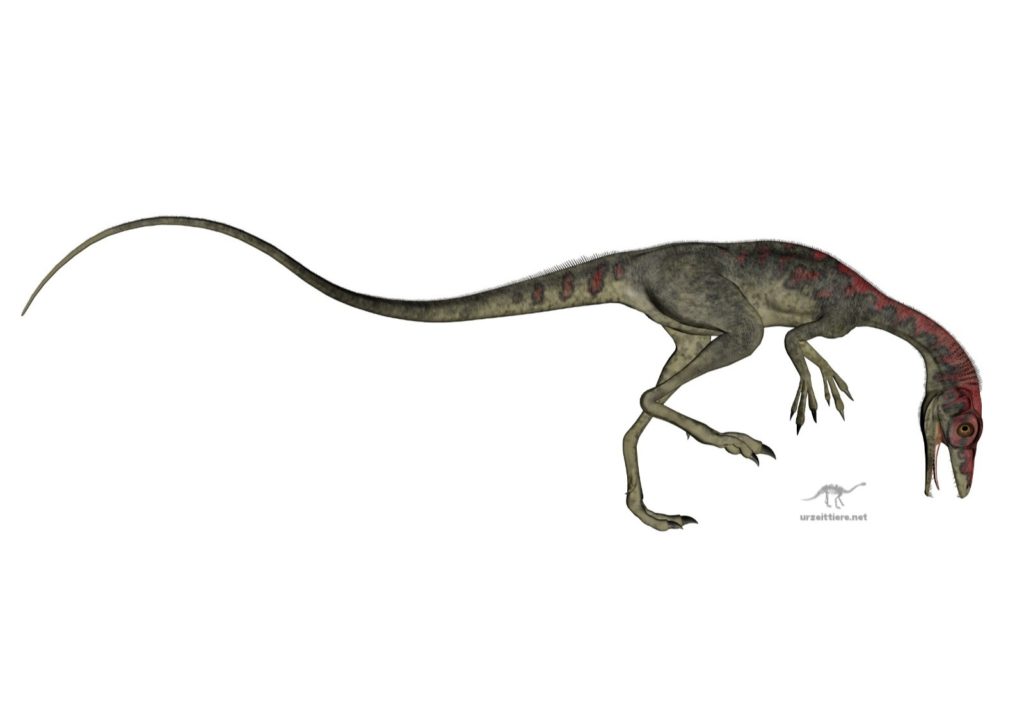
Compsognathus longipes
The exact location where Compsognathus was found is still unknown. The fossil collector Joseph Oberndorfer bought the fossil in 1859. It probably comes from the Riedenburg-Kelheim region in Bavaria.
In 1859 and 1861 Compsognathus was first described by Johann Andreas Wagner and was given the name “Long-legged Dainty Pine”. Wagner mistakenly thought he was some kind of lizard.
In 1978, John Harold Ostrom published his extensive description of the fossil. Compsognathus became one of the most famous small theropods. Compy, his nickname became as big as a turkey. He was an extremely fast hunter and his prey were small lizards.
To the profile of Compsognathus
Image source: urzeittiere.net
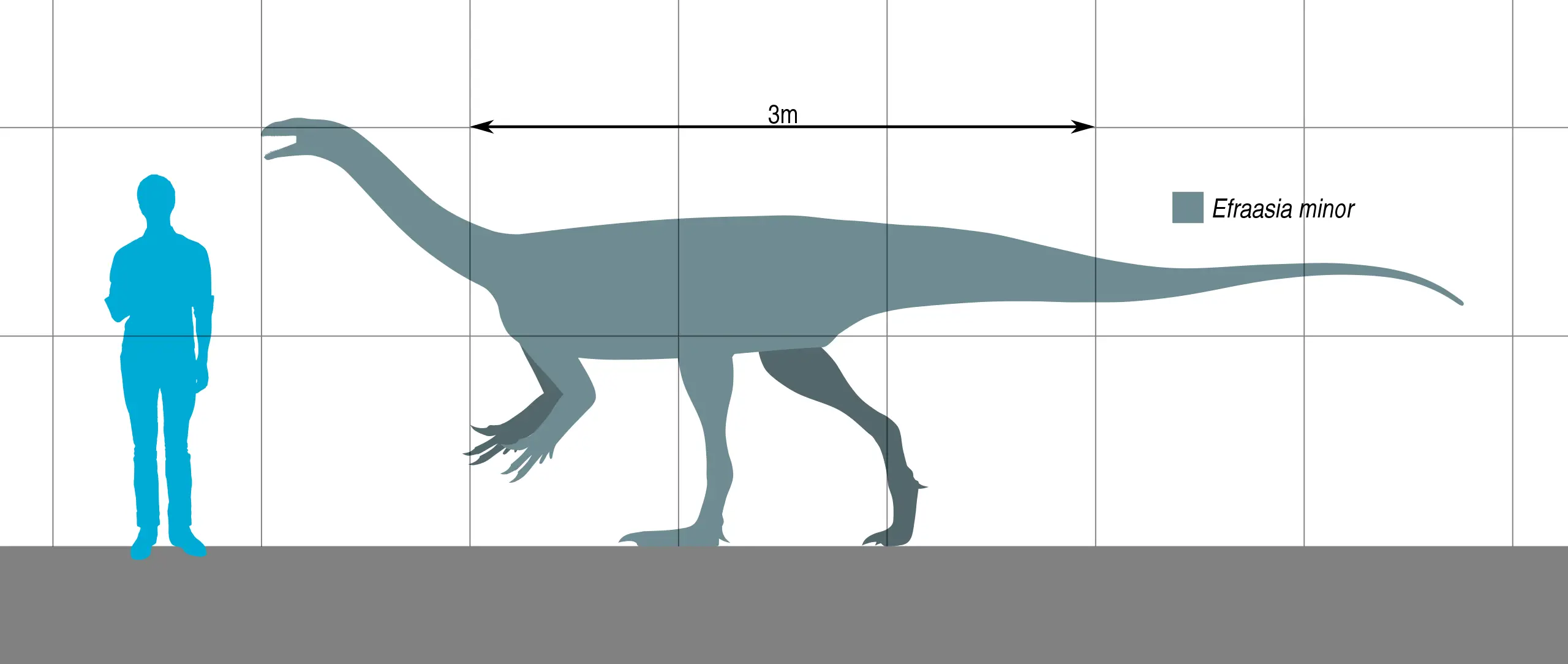
Efraasia minor
Efraasia was discovered in Baden-Württemberg in 1902. The court stonemason Albert Burrer found the first fossils in the “White Quarry”, near Pfaffenhofen.
Efraasia was a medium-sized dinosaur that lived in Germany during the Upper Triassic (228 to 208.5 million years ago). It was a herbivore that moved primarily on all fours.
His fingers were long and his thumbs were very flexible. Because the forelimbs were suitable for grasping, it is assumed that Efraasia was able to move on two legs, at least temporarily. This enabled him to tear out vegetation from higher altitudes.
The skull was small and triangular in shape.
Image source: Slate Weasel, CC0, via Wikimedia Commons
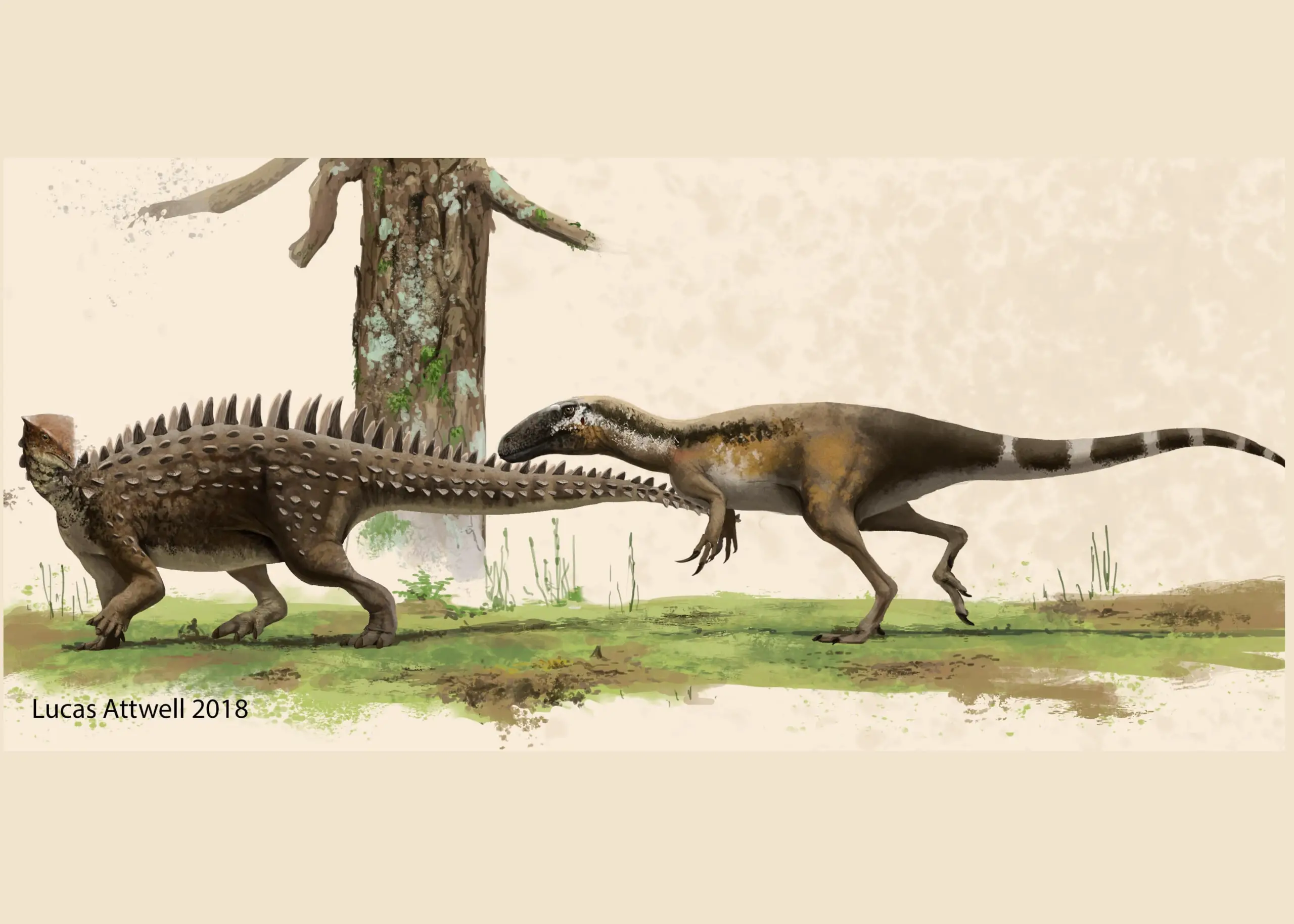
Emausaurus ernisi
Emausaurus was discovered in Mecklenburg-Western Pomerania in a clay pit near Grimmen by a geology graduate. The first description by the paleontologist Hartmut Haubold dates back to 1990.
The strange name is derived from the abbreviation of the Ernst Moritz Arndt University (“EMAU”).
The body of Emausaurus was protected against predators by bony bone scales. The exact arrangement of the conical and spiny scales is not clearly known.
Emausaurus was a quadrupedal herbivore. Its small leaf-shaped teeth, similar to those of the Stegosauria, indicate a lifestyle adapted to plant food.
Image source: Nobu Tamura (http://spinops.blogspot.ca), CC BY-SA 4.0, via Wikimedia Commons
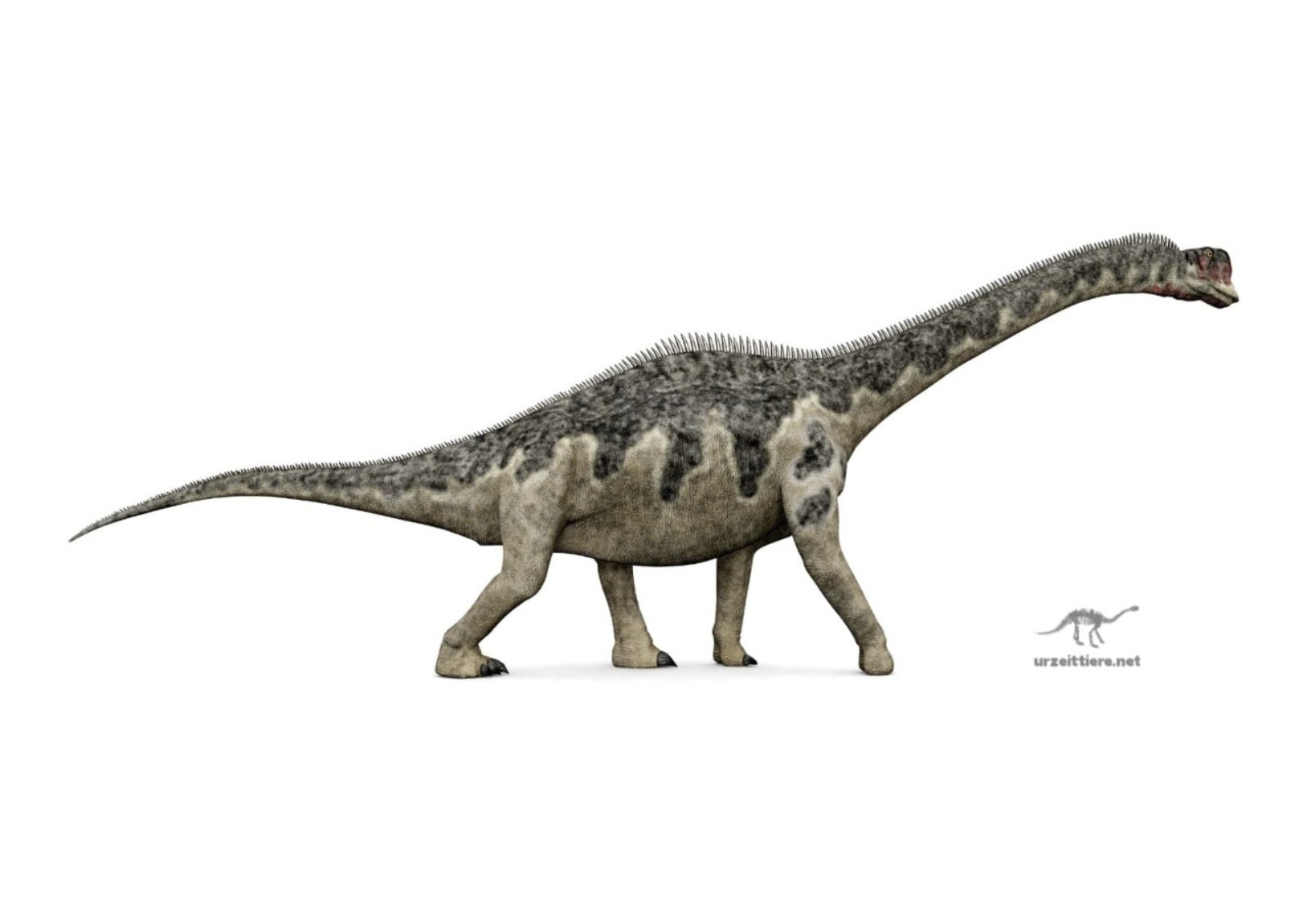
Europasaurus holgeri
Europasaurus holgeri is a species of sauropod discovered in Germany in the 1990s. The fossil remains were found in an active quarry on Langenberg near the villages of Oker, Harlingerode and Göttingerode. The quarry exposes a 203 meter thick sequence of carbonate rocks belonging to the Süntel Formation, which dates back to the Early Oxfordian to Late Kimmeridgian stages of the Late Jurassic period, approximately 150 million years ago. The sauropod material was found in a single layer (layer 83) in the quarry, and excavation of the bone-bearing layer began in April 1999. The excavation was carried out by a local association of private fossil collectors and was complicated by the near-vertical orientation of the layers and ongoing quarry operations.
After the excavation, the bones were prepared and stored in the Münchehagen Dinosaur Park, a private open-air dinosaur museum near Hanover. The bones were in very good condition and only occasionally required strengthening agents, allowing relatively quick preparation. In January 2001, 200 individual vertebrate bones had already been prepared, and in January 2002 a partial skull of a sauropod was discovered.
Unfortunately, some of the Europasaurus fossil material was damaged or destroyed in a fire in October 2003 that destroyed the laboratory and exhibition hall of the Münchehagen Dinosaur Park. 106 bones were lost in the fire, which corresponded to 15% of the bones prepared at the time. Among the destroyed specimens were the best-preserved row of spines and the only complete pelvis.
In 2006, the new sauropod taxon was formally described and named Europasaurus holgeri, with the genus name meaning "lizard from Europe" and the specific name honoring the discoverer of the first fossils, Holger Lüdtke. Initial analysis suggested that the bones belonged to young animals, but a 2006 publication found that most specimens were adults, although smaller than other sauropod species. Further analysis revealed that Europasaurus holgeri has a number of unique features, including a relatively short neck and a relatively small body size for a sauropod.
The small size of Europasaurus holgeri may have been an adaptation to the limited food resources on the island where the species lived. The island was probably separated from the mainland by shallow seas and had a dry, seasonal climate with periodic droughts and an annual dry season. The small size of Europasaurus holgeri may have allowed the species to survive with the limited resources on the island and may have been an important factor in its evolution and survival.
Image source: urzeittiere.net
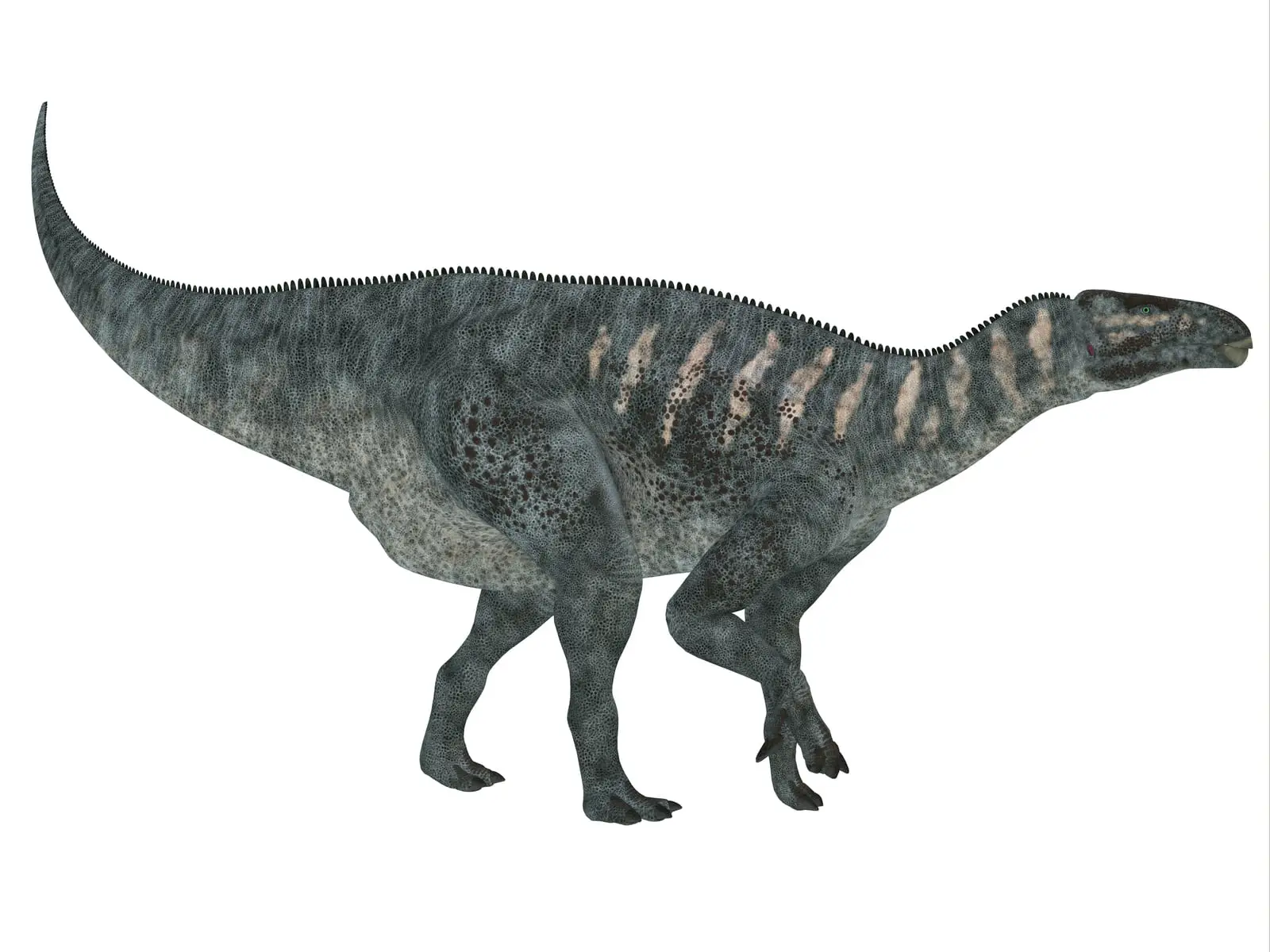
Iguanodon bernissartensis
Gideon Mantell was a British doctor who discovered several dinosaur teeth in 1822. He named the creature Iguanodon, which means “iguana tooth.” Mantel's discovery made him famous in Europe.
Iguanodon is a herbivorous dinosaur that lived about 139.3 to 112.9 years ago.
The arms of I. bernissartensis were long and robust, but were 25% shorter than the hind legs. He had inflexible hands that were built so that the three middle fingers could support weight. The thumbs were cone-shaped, spiky structures that protruded from the main fingers. In previous restorations, the spines were placed on the animals' noses. Later fossils revealed their true nature, although their exact function is disputed. They could have served for defense or foraging. The little finger could have been used to grasp objects. The legs were strong, but not built for fast running; each foot had three toes. The spine was supported and stiffened by bony tendons, i.e. h. of tendon rods that turned into bones over the course of life.
Nehden in the Hochsauerlandkreis is located northeast of Brilon and is probably the best-known site for vertebrate remains from the Mesozoic in North Rhine-Westphalia. Calcite was originally mined in the disused Henke quarry. The fossils of 2 Iguanodon hatchlings were discovered during an excavation in 1978 after mineral collectors found ore crystals and bones.
Image source: urzeittiere.net
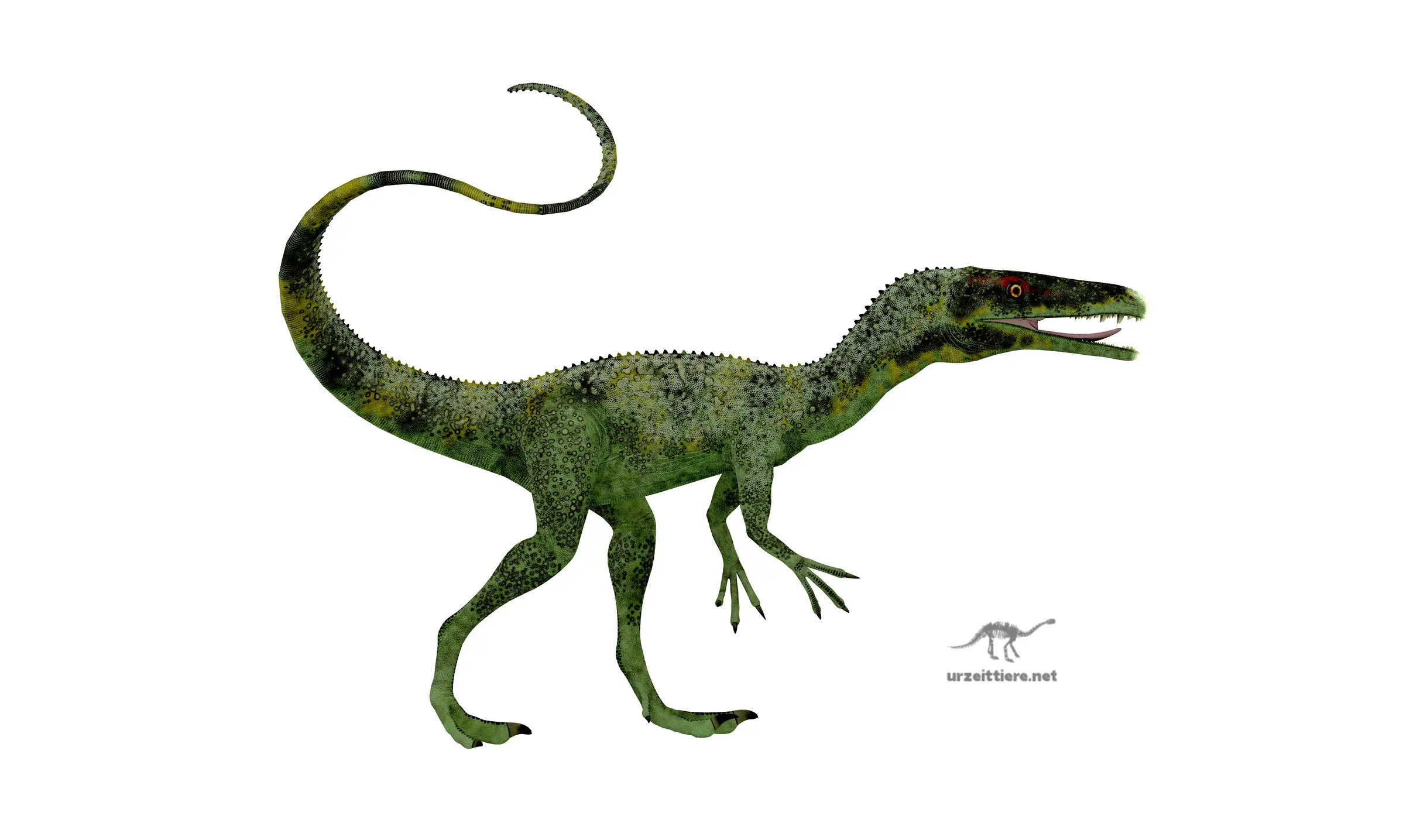
Juravenator starki
Juravenator starki is a species of small theropod dinosaur that lived in the Late Jurassic period, about 151 to 152 million years ago. The fossil remains of Juravenator starki were discovered in Germany, in the state of Bavaria, in the nearby Schamhaupten chalk quarry. The fossil was found in 1999 by two brothers, Klaus-Dieter Weiß and Hans-Joachim Weiß, and was initially thought to be just the head and part of the torso of a small theropod. However, after further dissection, it was found that almost the entire skeleton was present, making it one of the most complete specimens of a non-avian theropod ever found in Europe.
The holotype of Juravenator starki, designated JME Sch 200, was found in the Painten Formation, a late Kimmeridgian-Late Jurassic marl layer. The fossil consists of an almost fully articulated skeleton and skull belonging to a juvenile individual. Only the tail end is missing. In small areas there are impressions or remnants of soft tissue.
In 2006, the species was formally described by Ursula Göhlich and Luis Chiappe and named Juravenator starki. The genus name is derived from the name of the Jura Mountains and the Latin word “venator,” which means “hunter”; “Hunters of the Jura Mountains”.
The specific name honors the Stark family, who owned the quarry where the fossil was found.
Juravenator starki was a small theropod estimated to be about 75 cm long and weighing about 0.25 kilograms. It had a number of unique characteristics, including a relatively small size and an elongated snout. It was a bipedal carnivorous predator that fed on smaller animals such as lizards and mammals. The discovery of Juravenator starki has helped shed light on the evolution and behavior of small theropod dinosaurs during the Late Jurassic period.
Image source: urzeittiere.net
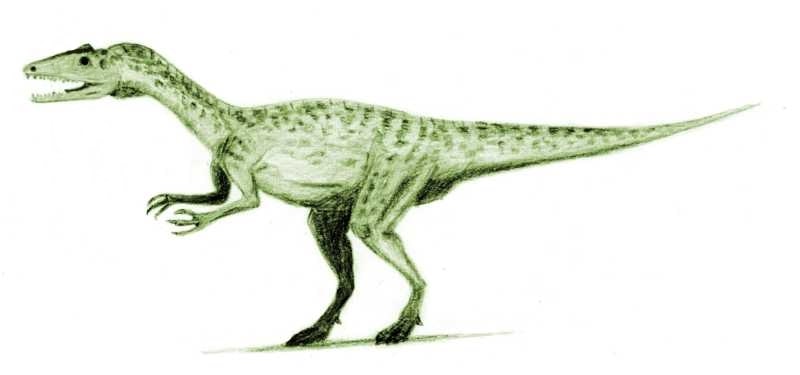
Liliensternus liliensterni
Liliensternus is a genus of medium-sized theropod dinosaurs that lived during the Late Triassic, about 228 to 201 million years ago. The fossil remains of Liliensternus were discovered in Germany, in the state of Thuringia, near the Großer Gleichberg in the Trossingen Formation of the middle Keuper Group. The specimens, designated syntype series HMN BM.R.2175, were found in a marlstone (calcareous claystone) that was deposited in the Norian of the Late Triassic. Further material that can be assigned to this genus has been collected from various locations in Germany and Switzerland, including in the Löwenstein Formation in Aargau and Baden-Württemberg and in the Trossingen Formation in Bavaria and Saxony-Anhalt. The only material that can be assigned to this genus from later layers was discovered in 1913 in blue claystone from the Rhaetian of the Late Triassic.
The genus and specific name, Liliensternus liliensterni, are derived from the surname of Count Hugo Rühle von Lilienstern, an amateur paleontologist and physician who founded a paleontological museum in his castle in Bedheim in 1934. The dinosaur was named in his honor by Friedrich von Huene in 1934. However, the type species of the genus Liliensternus was originally named by Huene as a member of the genus Halticosaurus, and the full name of the species is Halticosaurus liliensterni, with the combinatio nova being Liliensternus liliensterni.
In 1993, Gilles Cuny and Peter Galton described a new species, Liliensternus airelensis, which they assigned to the genus Liliensternus. However, later research revealed that there are significant differences between L. airelensis and the type species L. liliensterni, and in 2007 Martin Ezcurra and Gilles Cuny reassigned the material to its own genus, Lophostropheus.
Liliensternus was a medium-sized theropod (predatory dinosaur) with an estimated length of around 5 meters and a weight of up to 200 kilograms.
Image source: urzeittiere.net
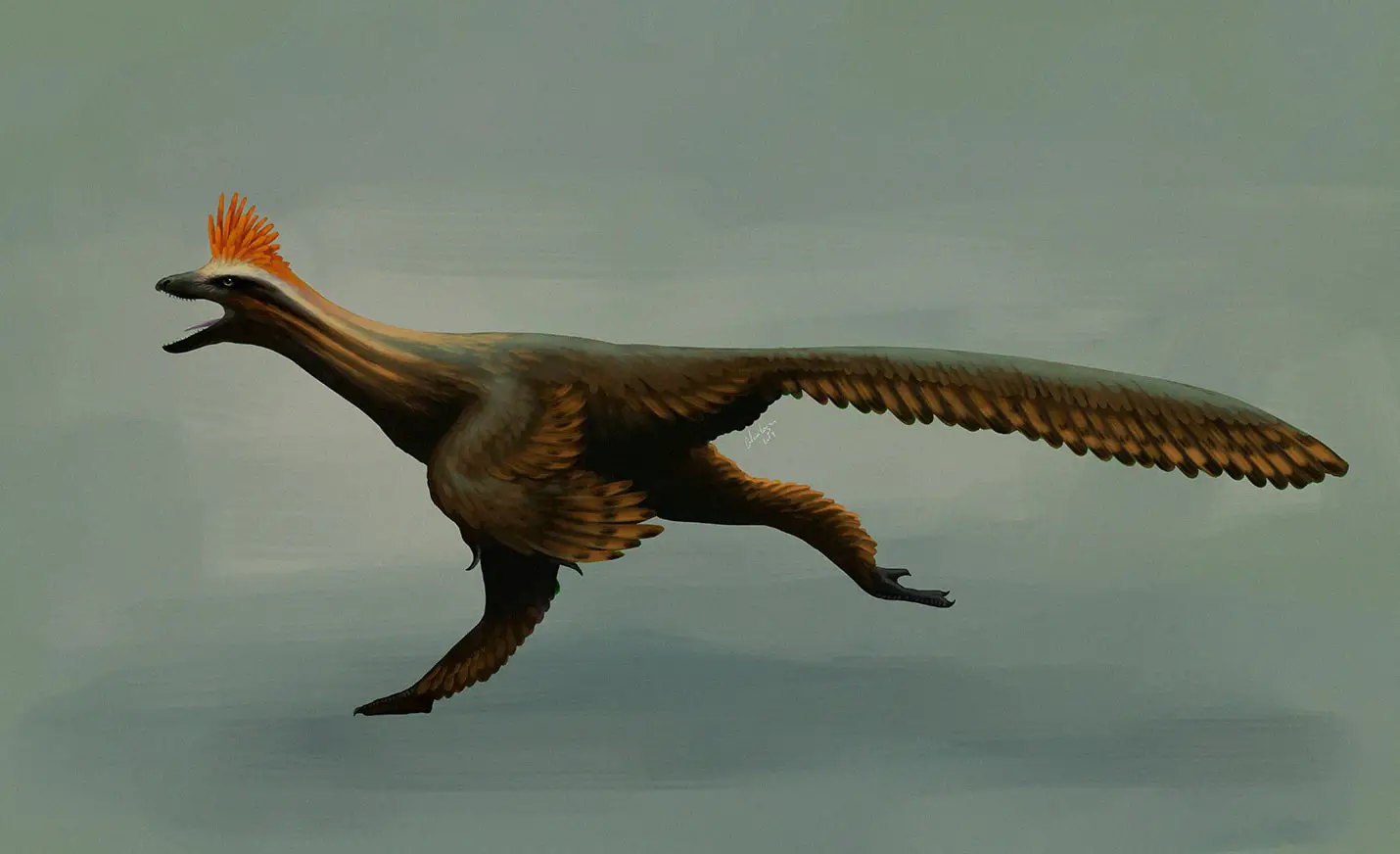
Ostromia crassipes
Ostromia is a genus of theropod dinosaurs containing a single species, Ostromia crassipes. The holotype of this species was discovered near Riedenburg in Bavaria in 1855 and was originally incorrectly identified as a pterosaur. In 1970 it was identified as Archeopteryx by John Ostrom and called the “Haarlem specimen”.
In 2017, Christian Foth and Oliver Rauhut found that it is more closely related to the Chinese Anchiornis and introduced the genus name Ostromia in honor of Ostrom. The only known specimen of O. crassipes is incomplete and in a poor state of preservation, with only limbs, cervical vertebrae and ribs preserved. A high-quality cast of the holotype is in the collections of the Bavarian State Collection for Paleontology and Geology.
Image source: [[File:OSTROMIA mario lanzas recomstruction.jpg|OSTROMIA mario lanzas recomstruction]]
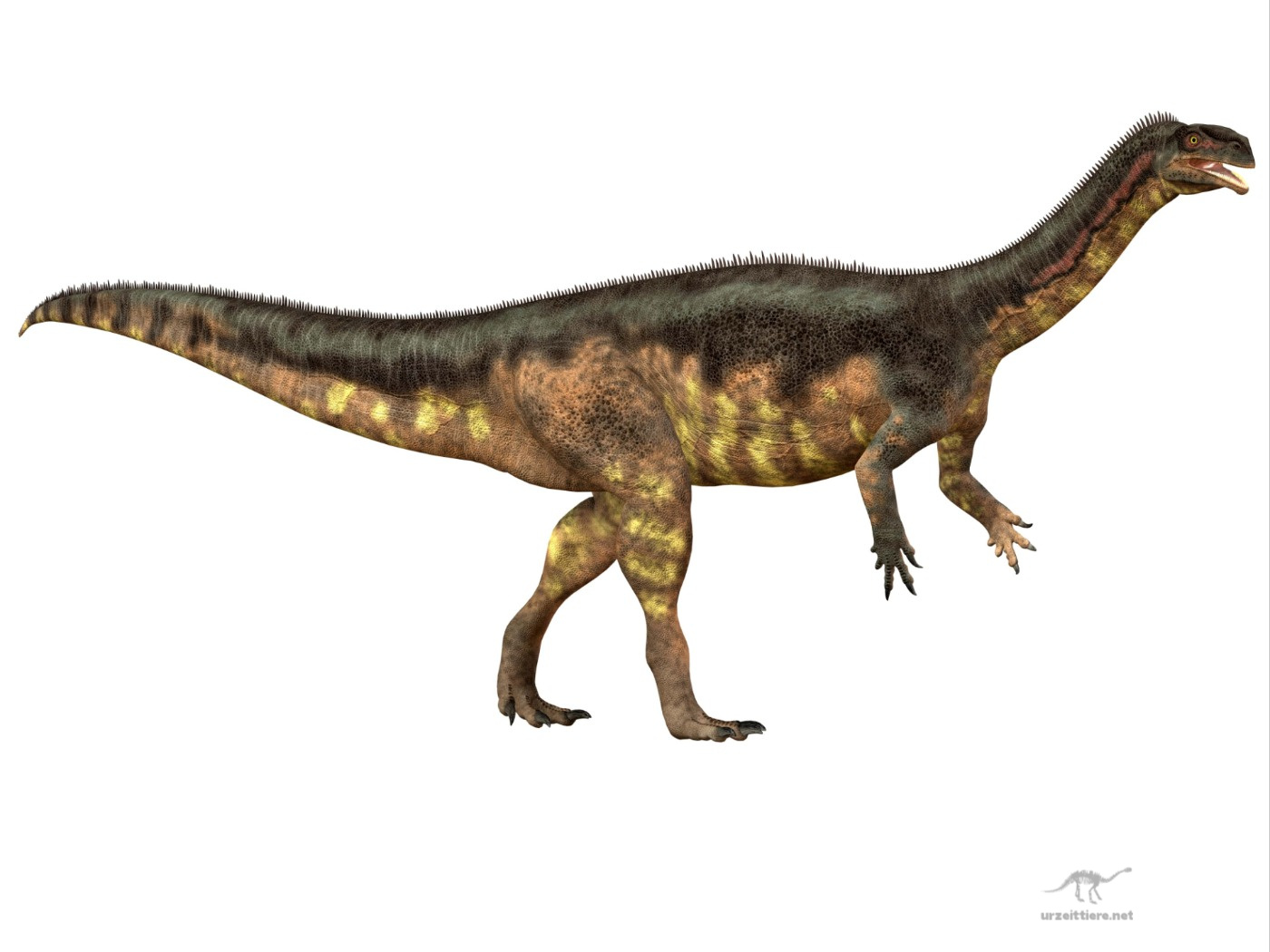
Plateosaurus engelhardti
Plateosaurus is a genus of large herbivorous dinosaurs that lived during the Late Triassic. Remains of over 100 individuals have been found across Europe, with particularly large numbers in Germany, Switzerland and France. The most notable Plateosaurus sites include Halberstadt and Trossingen in Germany and Frick in Switzerland. During excavations at these sites, numerous complete or partially complete skeletons were found, as well as fragmentary remains of many additional individuals. These finds have helped paleontologists understand the anatomy, behavior, and evolutionary history of Plateosaurus.
In 1997, workers drilling for oil in the Lunde Formation in the North Sea discovered a fossil thought to be made of plant material. Upon closer examination, it turned out that it was a plateosaurus bone, making it the first known plateosaurus specimen from Norway. This discovery shows that Plateosaurus had a larger geographic range than previously thought.
Plateosaurus was a quadrupedal dinosaur with a long neck and tail and a relatively small head. It had a robust and heavily built body with thick hind legs and shorter, slimmer forelegs. The Plateosaurus's arms ended in five fingers, each of which had a large claw. It is believed to have been a herbivore, feeding primarily on low plants. Some researchers have suggested that Plateosaurus may have been capable of limited bipedal locomotion, although this idea remains controversial.
Plateosaurus has a complex and fascinating evolutionary history. It belongs to the group of sauropodomorphs, which also includes real sauropods like Diplodocus and Brachiosaurus belong. The earliest known sauropodomorphs, such as Plateosaurus and its close relatives, had more primitive anatomy compared to later sauropods, with shorter necks and tails and a greater ability to walk on two legs. As sauropodomorphs evolved and specialized in a fully four-legged lifestyle, they developed longer necks and tails and became less able to walk on two legs.
Overall, Plateosaurus is an important genus for understanding dinosaur evolution and ecological conditions in the Late Triassic period. The wide geographical distribution and diverse fossil finds have provided valuable insights into the biology and behavior of this fascinating group of animals.
Image source: urzeittiere.net
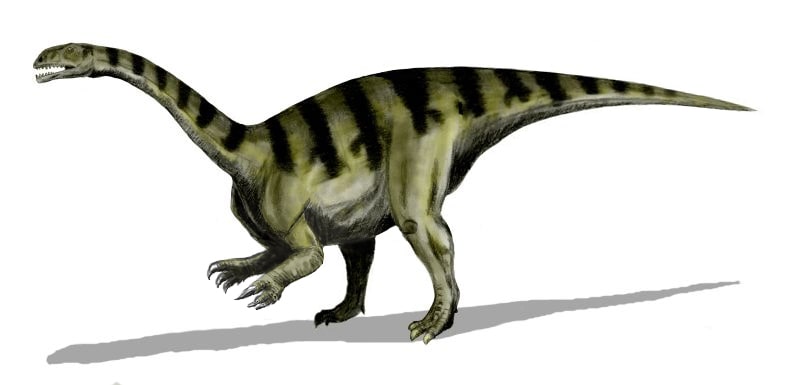
Plateosaurus gracilis
The taxonomic history of the herbivorous dinosaur Plateosaurus, which lived during the Late Triassic, is complex and confusing. As of 2019, only three species of Plateosaurus are generally recognized as valid: Plateosaurus trossingensis, Plateosaurus longiceps and Plateosaurus gracilis.
The latter species was originally placed in its own genus, Sellosaurus, but was reclassified by some researchers as a species of Plateosaurus. However, the validity of P. gracilis as a distinct species is uncertain because the holotype lacks a skull and other specimens of Plateosaurus that may belong to the same species do not overlap sufficiently with the holotype to confirm their classification. It is possible that the known Plateosaurus material contains additional species that have not yet been identified.
Image source: Nobu Tamura (http://spinops.blogspot.com) Arms and other edits made by User:FunkMonk, CC BY-SA 3.0 , via Wikimedia Commons
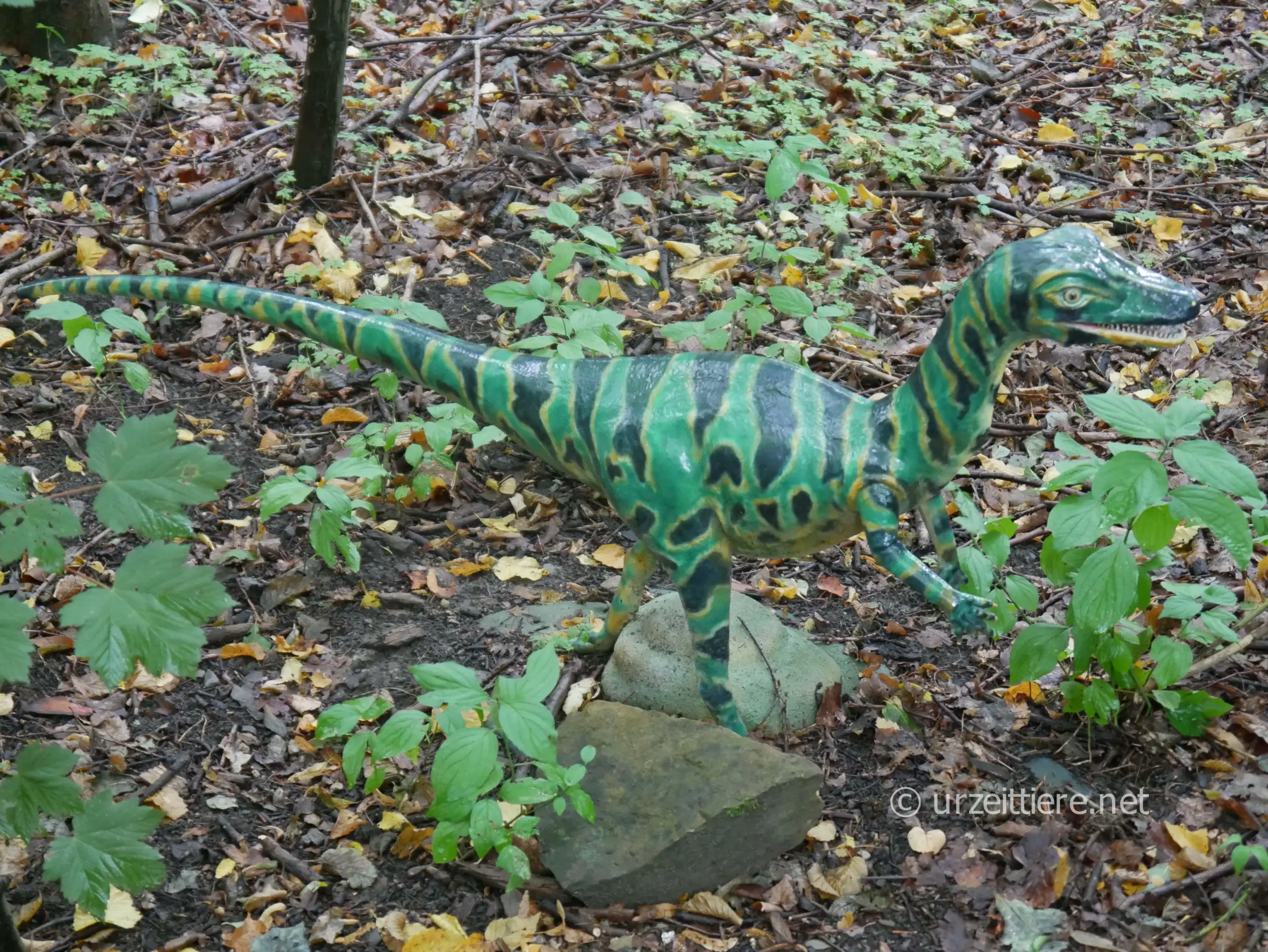
Procompsognathus triassicus
Description follows!
Image source: urzeittiere.net
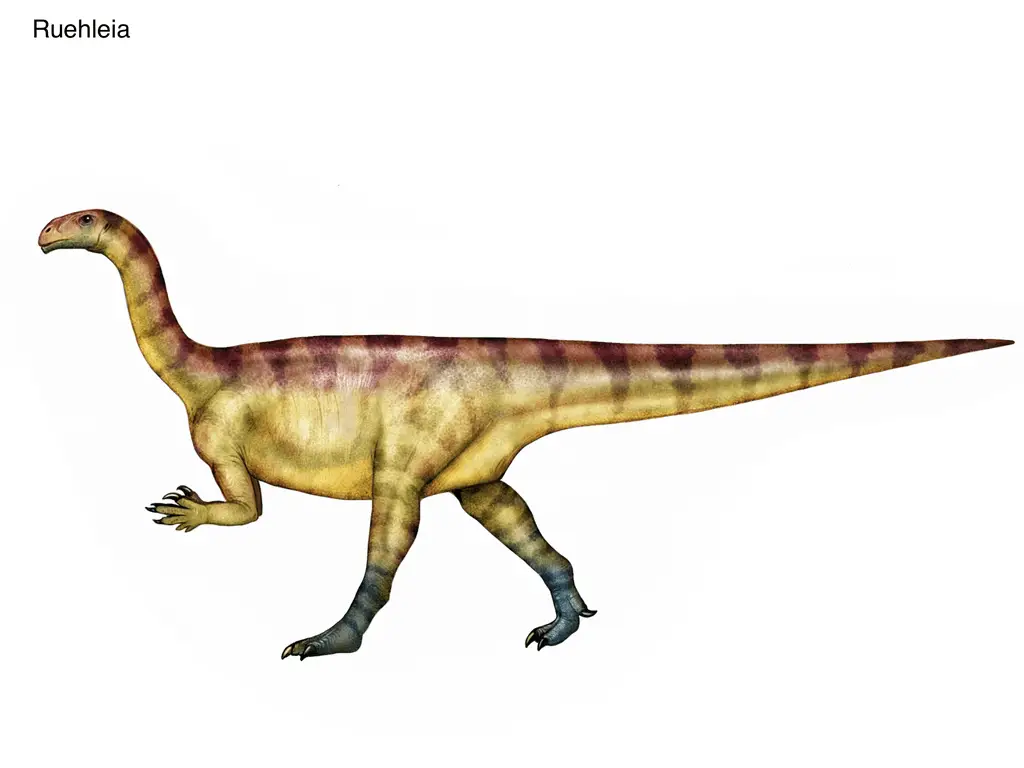
Ruehleia bedheimensis
Description follows!
Image source: https://www.deviantart.com/cisiopurple/art/Ruehleia-607604089
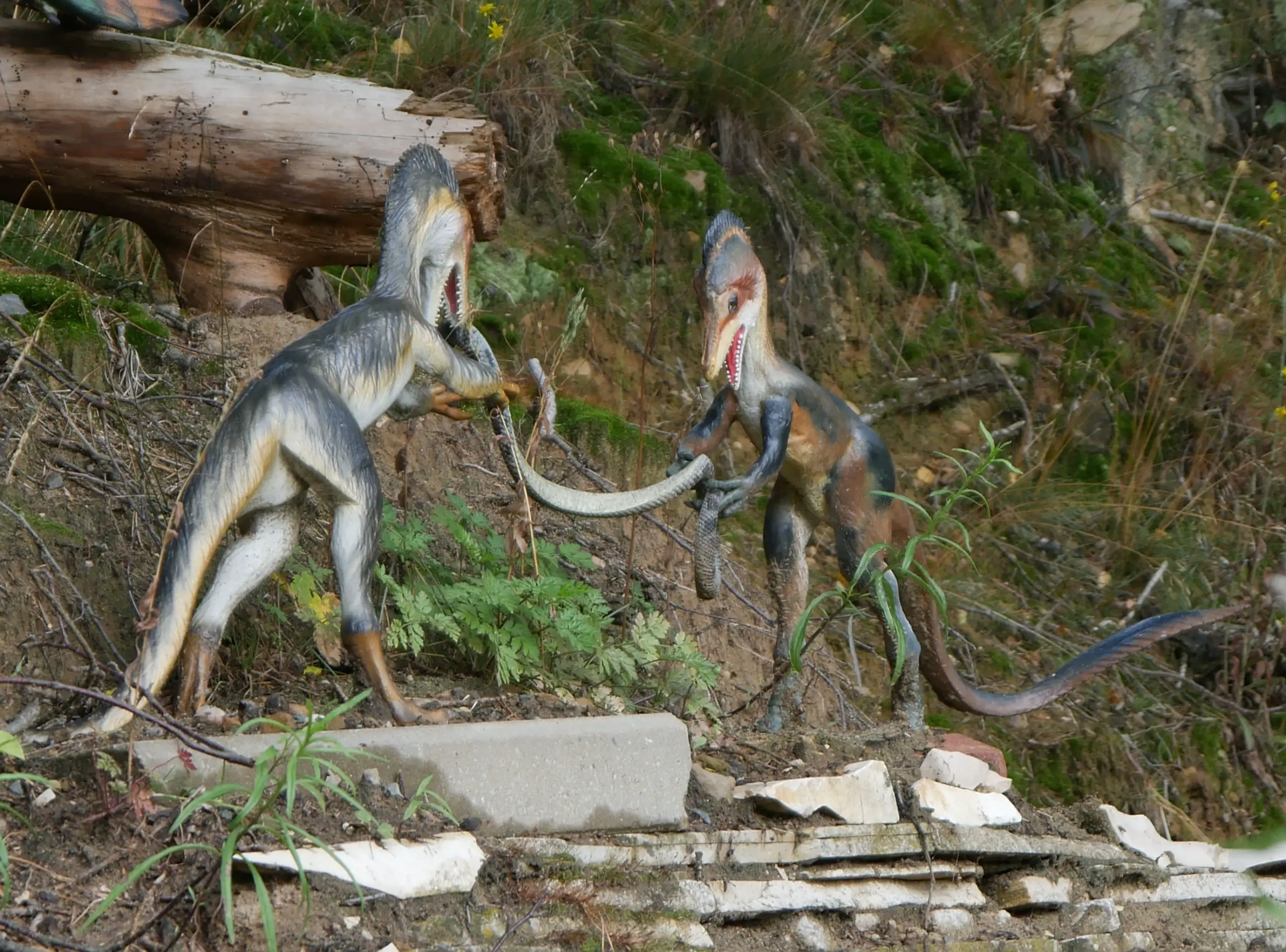
Sciurumimus albersdoerferi
Description follows!
Image source: ©urzeittiere.net
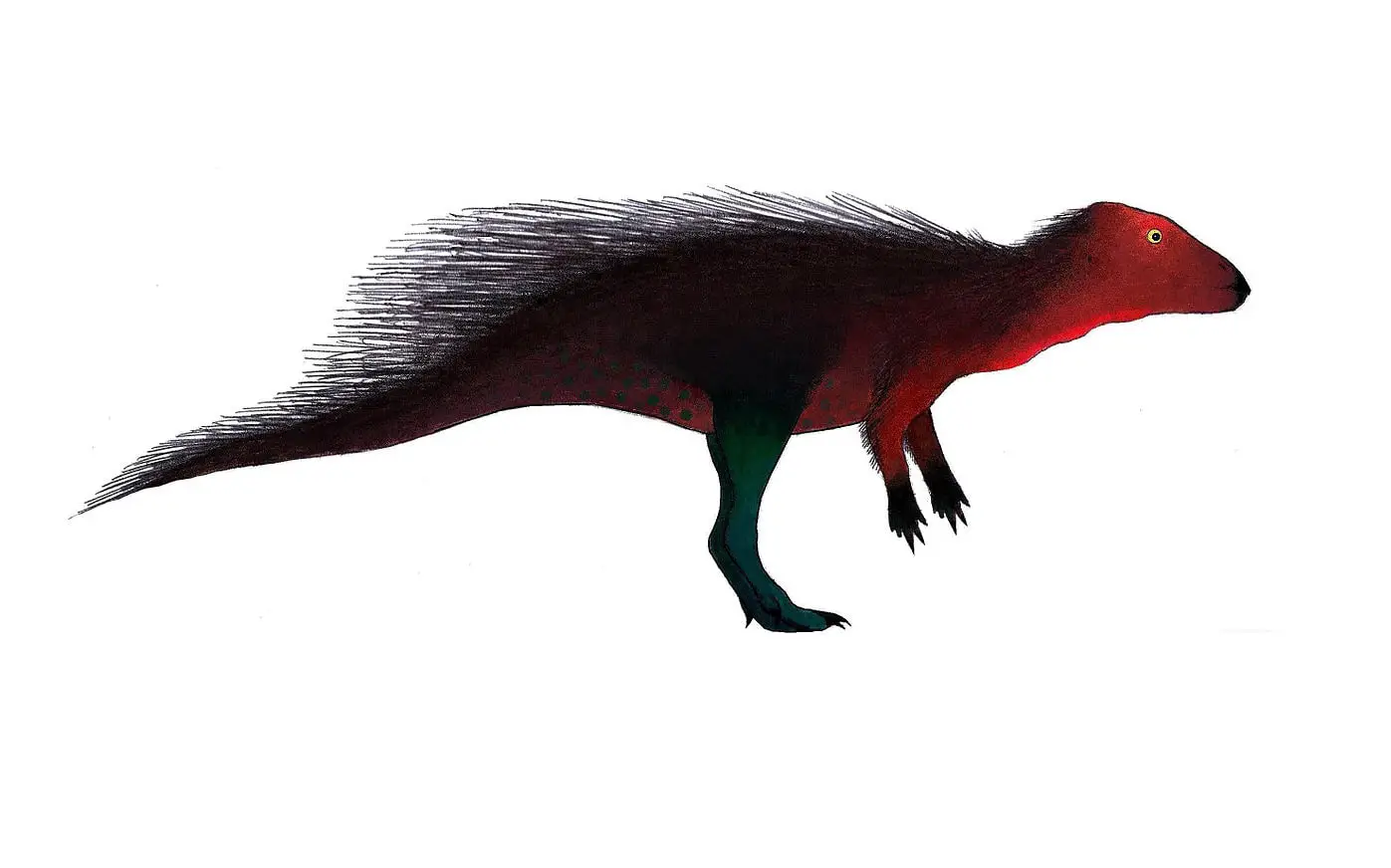
Stenopelix valdensis
Description follows!
Image source: [[File:Stenopelix restoration.jpg|Stenopelix restoration]]
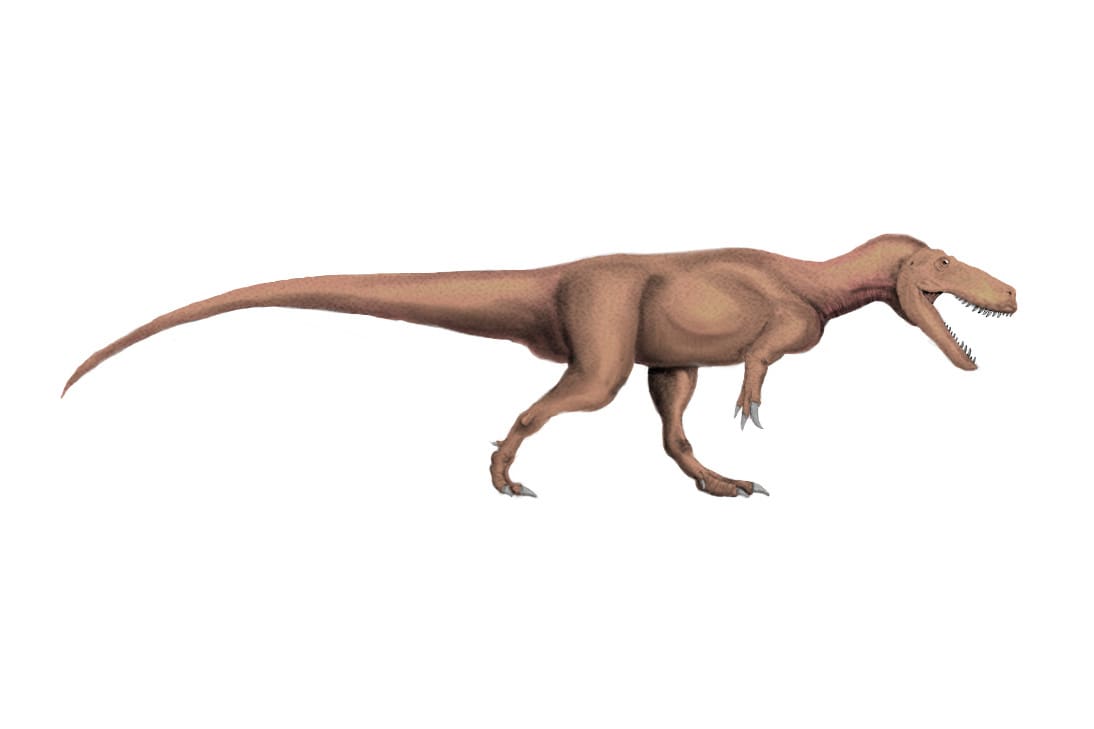
Wiehenvenator albati
Description follows!
Image source: [[File:New reconstruction of the monster from Minden.jpg|New reconstruction of the monster from Minden]]