Carnivores

  • Giganotosaurus

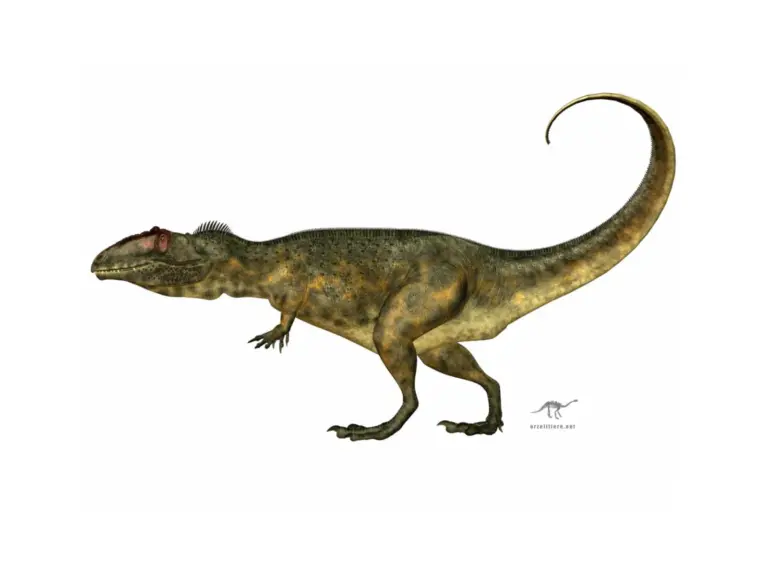
    Its skull was up to 1.7 meters long, almost as long as an adult is tall. Its femur reached a human's chest. Giganotosaurus carolinii is among the largest predatory dinosaurs ever found. Whether it was the largest remains an open question. Even its weight can only be roughly estimated: from about 4 to…
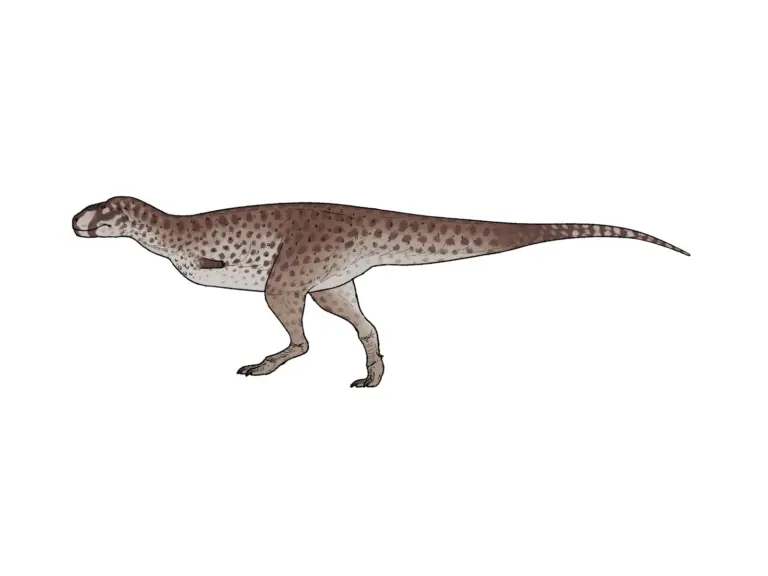
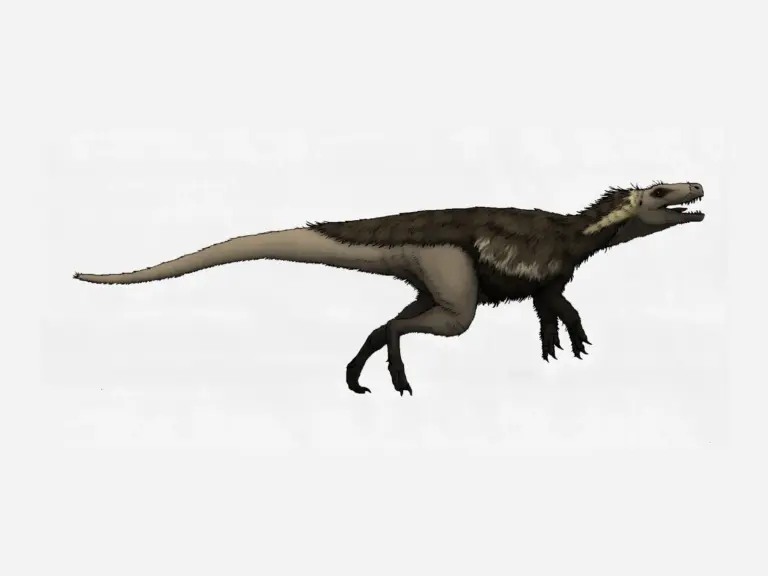
  • Koleken inakayali: The hornless cousin of the Carnotaurus

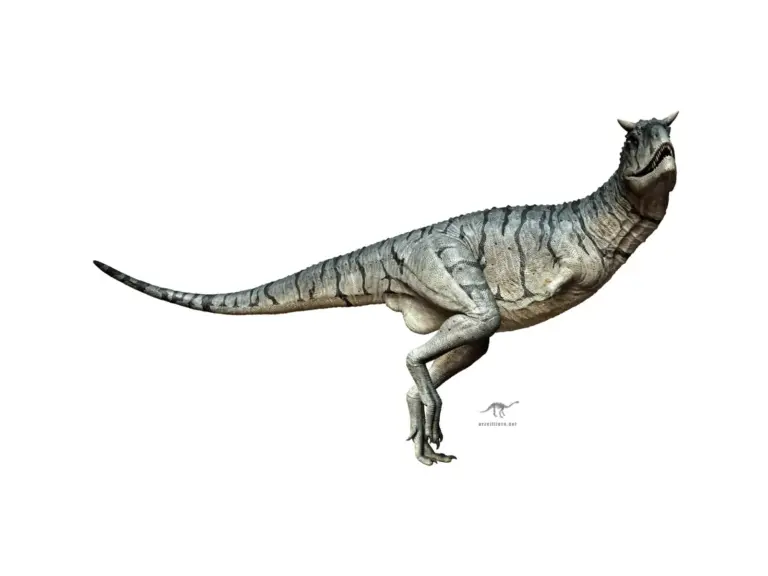
    A carnivore without horns. Barely bigger than a minibus. It lived around 70 million years ago in Patagonia – right next door to Carnotaurus. Its bones were discovered back in 2015. It wasn't named until 2024. At a glance: Characteristic Value Length approx. 4.97 m (only known individual, not yet fully grown) Weight no reliable estimate…

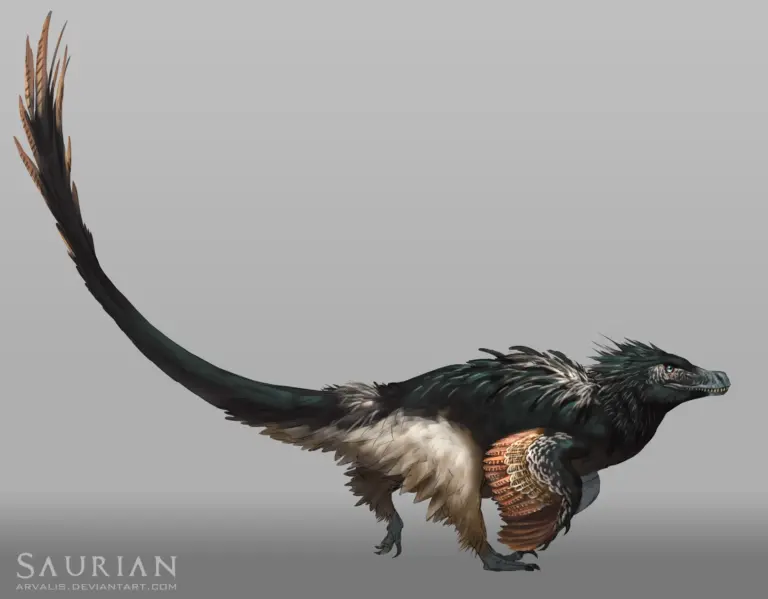
  • Acheroraptor

    A jawbone, a few teeth, a single finger joint, and a claw – that's all that remains of Acheroraptor so far. And yet, this meager find tells one of the most exciting stories of the Late Cretaceous period: that of a swift, sickle-clawed hunter who lived in the same swampy riverine landscape as Tyrannosaurus Rex and Triceratops – until the asteroid arrived. Profile…

  • Gnathovorax

    Gnathovorax: The oldest known carnivore among the dinosaurs. In 2014, a farmer found a skeleton in southern Brazil. It lay almost bone by bone, embedded in the rock. With it came one of the oldest carnivorous dinosaurs we know. Gnathovorax cabreirai was hunting around 165 million years before Tyrannosaurus Rex. Its territory: the floodplains of…

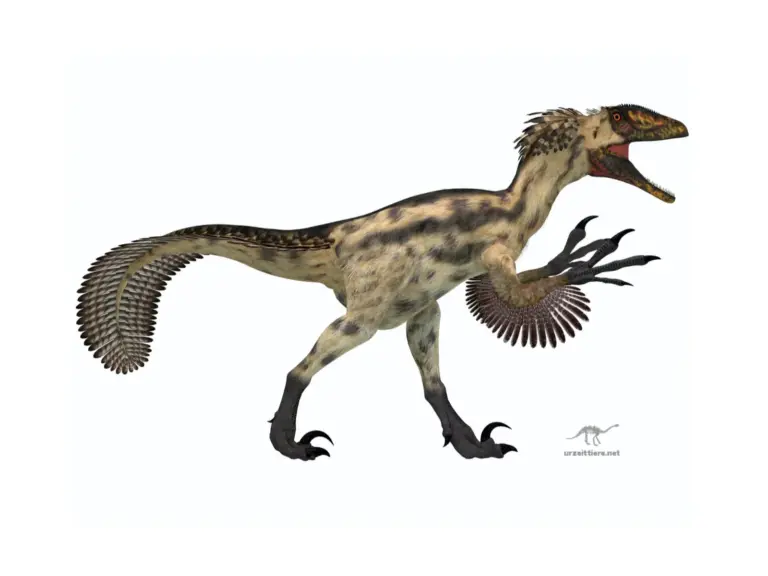
  • Deinonychus

    Deinonychus: The Raptor That Triggered the Dinosaur Renaissance. John Ostrom described it in 1969, challenging an old image: that of the sluggish, cold-blooded dinosaur. Deinonychus antirrhopus had a flexible skeleton and a sickle-shaped claw on its foot. It showed clear signs of active hunting. This sparked a wave of interest that went down in history as the "Dinosaur Renaissance."