Europe

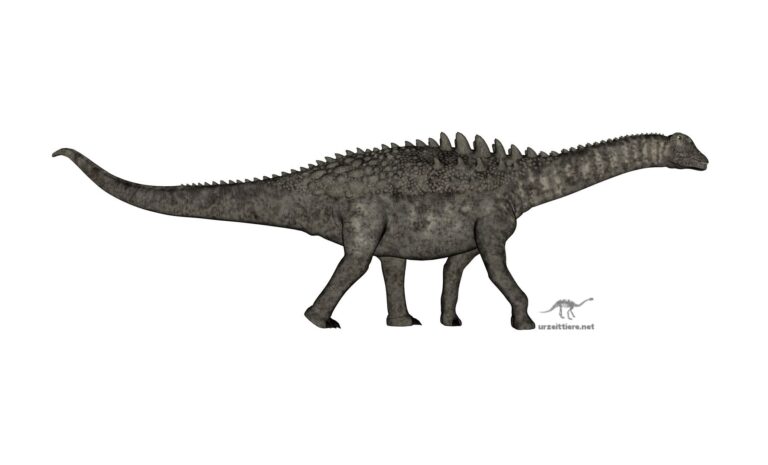
  • Ampelosaurus

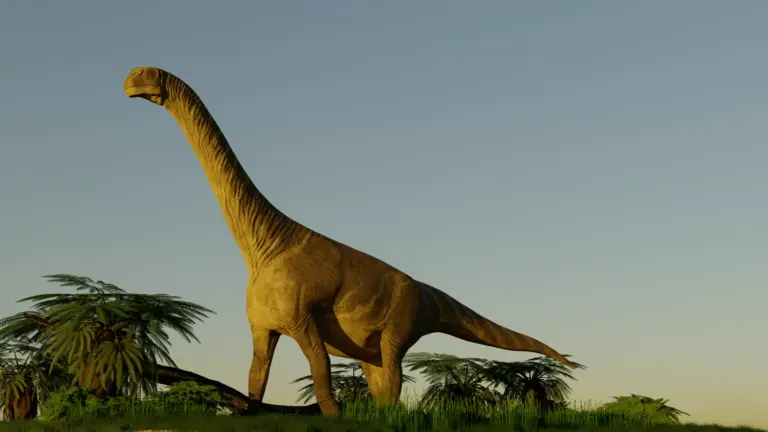
    Ampelosaurus Atacis Ampelosaurus atacis is a lesser-known Late Cretaceous sauropod, distinct from the better-known Tyrannosaurus rex and Diplodocus. This dinosaur is characterized by its unique dental features and protective armor made of osteoderms. Ampelosaurus provides valuable insights into the diversity of titanosaurs in Europe. Studying this dinosaur reveals...

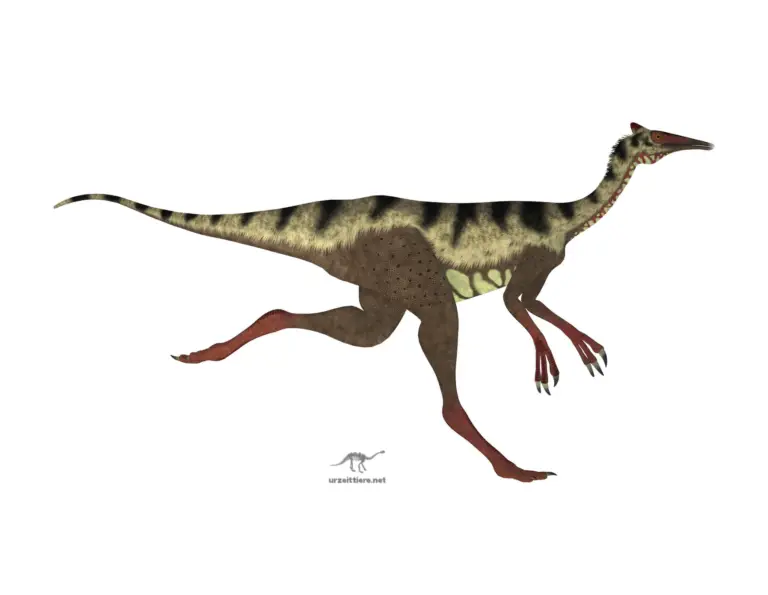
  • Pelecanimimus

    Pelecanimimus is a small dinosaur that lived in the Lower Cretaceous period, about 130 million years ago. It was first discovered in July 1993 by Armando Díaz Romeral at the Las Hoyas Unit 3 site in Spain and later named and described by Bernardino Pérez Pérez-Moreno and his colleagues in 1994. “Pelica Mimic” One of the most interesting features…

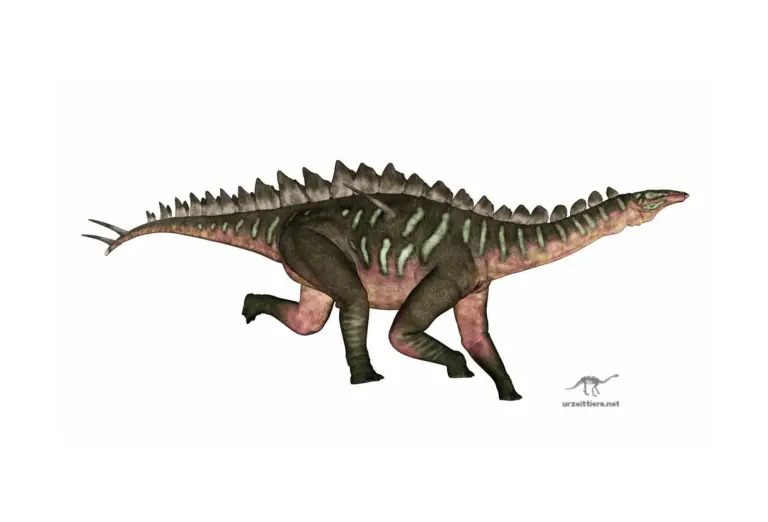
  • Miragaia

    When you think of stegosaurs, you probably picture the iconic Stegosaurus with its rows of plates and spiked tail. But have you heard of Miragaia, the long-necked oddball from the stegosaur family? This unique dinosaur challenges our preconceptions about these armored herbivores. With its extraordinary neck made up of 17 vertebrae,...

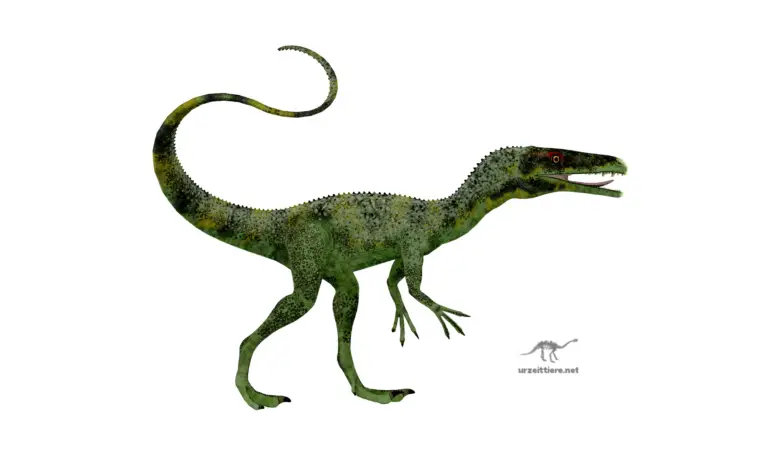
  • Juravenator

    Juravenator starki Juravenator starki was a fairly small carnivorous dinosaur. Its length was only about 75cm. With a weight of only 250 grams, the two-legged theropod was probably an agile hunter. Juravenator was discovered in 1998 by brothers Klaus-Dieter and Hans-Joachim Weiß in the Stark family's chalk quarry near Schamhaupten (Bavaria). After…

  • Hypsilophodon

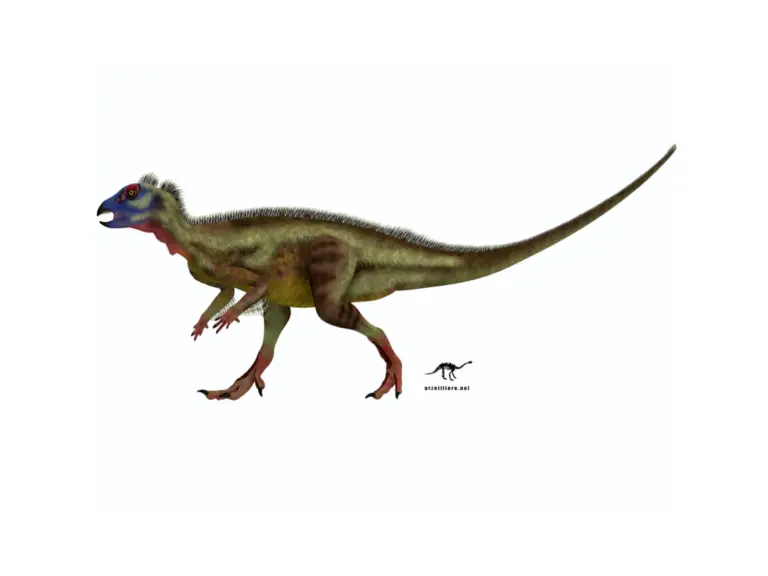
    Hypsilophodon was a small, bipedal ornithopod. It was around 2.15 meters long and weighed around 20 kilograms. It was a nimble runner and had a sharp beak with which it bit off parts of plants. It has a horn beak, cheek pouches and 28-30 self-sharpening molars in a small skull 12 cm long and 5 cm…

  • Solnhofen limestone

    The limestone from Solnhofen is considered one of the world's most important fossil deposits. The small town of Solnhofen is located in the southern German Altmühltal Nature Park. There are several quarries in the area from which Solnhofen limestone is mined. In the Upper Jurassic, the landscape in southern Germany was characterized by a tropical, warm, shallow sea. These were good living conditions for calcium-excreting organisms….