
Ampelosaurus
Ampelosaurus atacis
Ampelosaurus atacis is a lesser-known Late Cretaceous sauropod, distinct from the better-known Tyrannosaurus rex and Diplodocus.
This dinosaur is characterized by its unique dental features and protective armor made of osteoderms.
Ampelosaurus provides valuable insights into the diversity of titanosaurs in Europe.
Studying this dinosaur sheds light on its physical characteristics, discovery and scientific significance, and sheds light on life in prehistoric France.
Physical characteristics
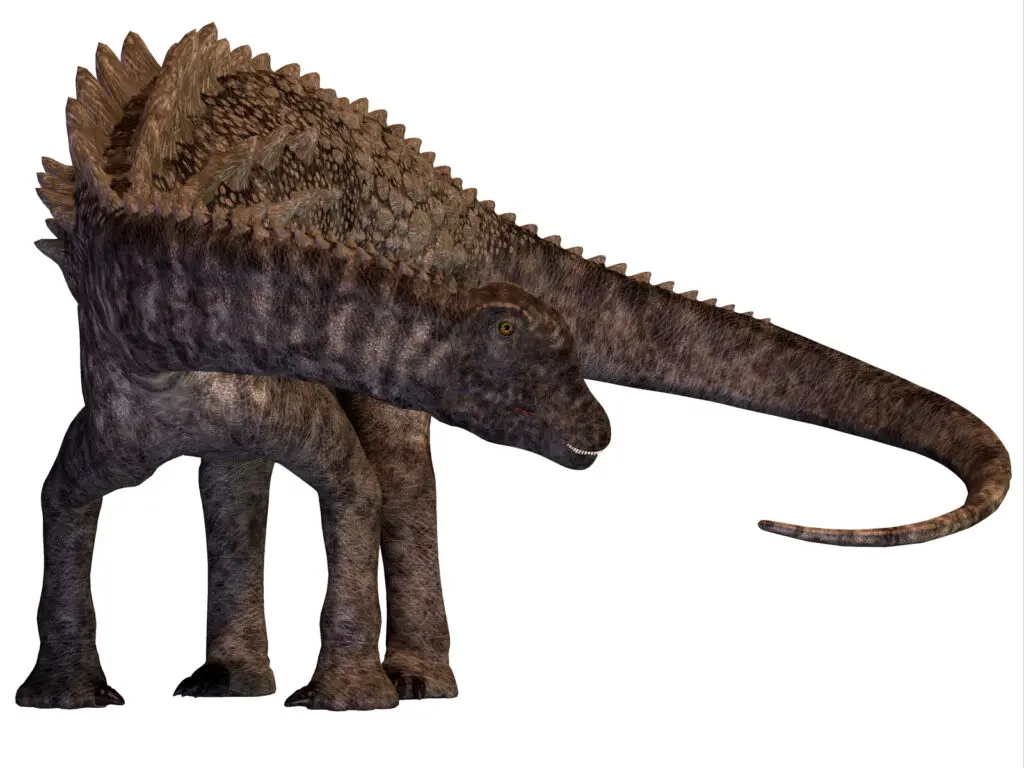
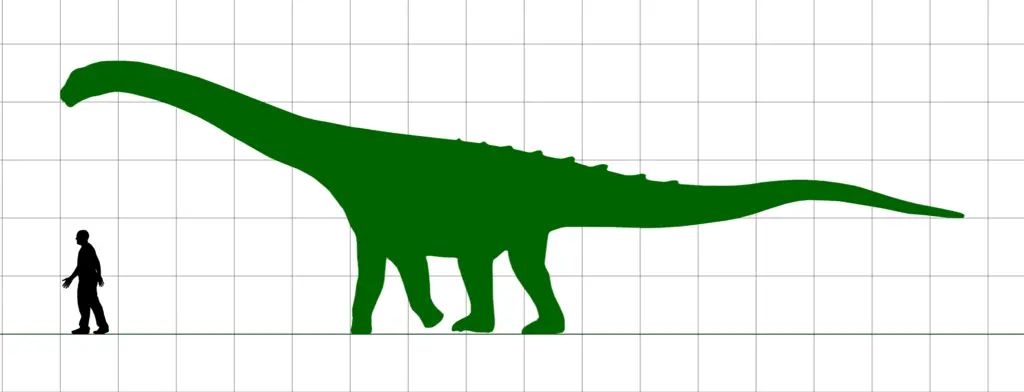
Ampelosaurus atacis was a sauropod dinosaur characterized by its size and unique shell. This dinosaur was between 13.9 and 16 meters long and weighed about 15 tons. Like other sauropods, Ampelosaurus had a long neck and tail.
What distinguished Ampelosaurus from other sauropods was its distinctive skin shell. His body was protected by osteoderms, which are bony plates embedded in the skin. These osteoderms were between 25 and 28 centimeters long and varied in shape.
There were three types of osteoderms: plate-like, tuberous and spiny. This variation in osteoderm structure likely provided Ampelosaurus with effective protection from predators. The presence of such armor represents an evolutionary adaptation that improved the dinosaur's survival.
While the exact arrangement and distribution of osteoderms on the body is still being studied, their size and diversity highlight the unique characteristics of this sauropod species.
Discovery of Ampelosaurus
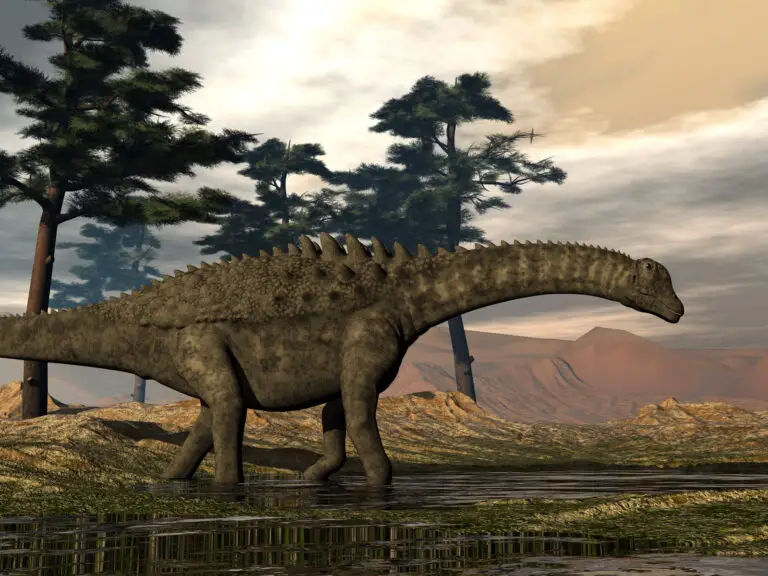
The discovery of Ampelosaurus began with initial finds in southern France, which led to systematic excavations that uncovered a significant number of fossil remains.
French paleontologist Jean Le Loeuff officially named and described Ampelosaurus atacis in 1995 based on the fossils recovered, which included vertebrae, limb bones and a partial skull.
The extensive fossil record of Ampelosaurus, including well-preserved skull bones, has provided paleontologists with valuable insights into the anatomy of titanosaur sauropods and greatly improved our understanding of Late Cretaceous ecosystems in Europe.
First findings
The story of Ampelosaurus began with the discovery of a hunter in 1981 in Campagne-sur-Aude, where he found a fossil bone. This discovery gained significance the following year and renewed interest in the paleontological potential of the upper Aude valley.
In 1982, local amateur researchers Pierre Clottes and Christian Raynaud conducted further research in the area, which led to the identification of several dinosaur sites. Their efforts marked a turning point in the study of Ampelosaurus and the understanding of the Late Cretaceous fauna of southern France.
The hunter's discovery led to a series of systematic investigations and excavations and laid the foundation for further paleontological research. This eventually led to the formal description and naming of Ampelosaurus atacis.
The rediscovery of dinosaur sites in the upper Aude Valley contributed significantly to knowledge about the diversity and evolution of sauropods during the Late Cretaceous in Europe.
Systematic excavations
After the first finds, systematic excavations began on the Bellevue farm site in 1989. These were led by professional paleontologists and marked a departure from previous, less structured explorations. The Bellevue farm became the focus of these detailed investigations, which ultimately led to significant discoveries in paleontology.
The excavations were carried out with precision and scientific accuracy. The work of paleontologists led to the uncovering of numerous bones that belonged to an unknown species of sauropod. This discovery was crucial because it led to the identification and naming of a new dinosaur: Ampelosaurus.
The systematic approach to the excavations enabled a comprehensive collection of fossil material, which provided researchers with extensive data for study and analysis. By carefully documenting and preserving the remains, scientists were able to develop a more comprehensive understanding of this previously undescribed sauropod and significantly expand our knowledge of the region's Late Cretaceous dinosaur fauna.
Naming and description
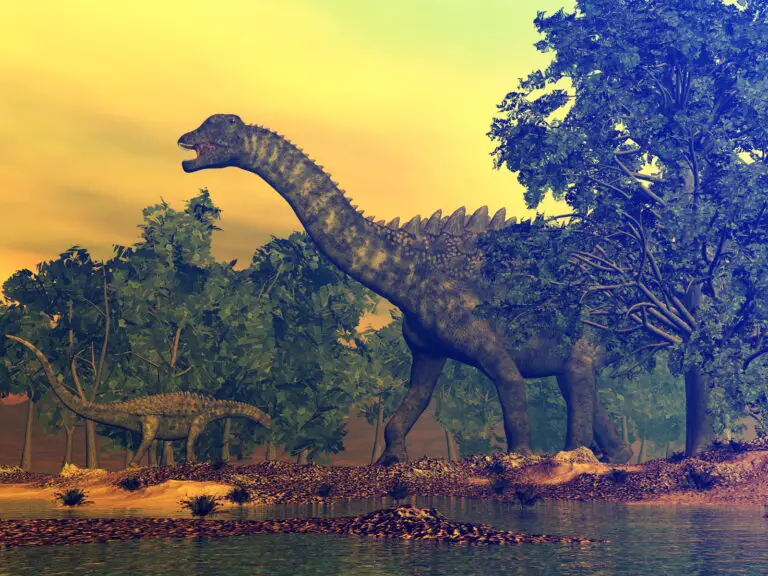
In 1995, after years of excavations and studies, French paleontologist Jean Le Loeuff officially named and described Ampelosaurus atacis. This event marked the formal recognition of a new species of dinosaur and contributed to our knowledge of the Cretaceous fauna.
The genus name “Ampelosaurus” comes from the Greek words “ampelos” (Vine) and “sauros” (lizard). This name refers to the Blanquette de Limoux winery, which is located near where the fossils were found. Naming Ampelosaurus atacis in this way illustrates how paleontologists often incorporate local geographic context into the names of new species. This practice honors the site and gives the dinosaur a descriptive name.
Le Loeuff's formal description in 1995 established Ampelosaurus atacis as a distinct taxon, allowing its integration into the broader study of dinosaur phylogeny and paleoecology.
Fossil representation
The formal description of Ampelosaurus atacis in 1995 initiated a series of significant fossil discoveries. Since then, this sauropod from the group of titanosaurs has become one of the most thoroughly studied European representatives of its group.
The Bellevue site has produced an extensive collection of dinosaur remains, with over 1,400 bones found, most of which belong to the titanosaurs. This wealth of material has allowed paleontologists to study the anatomy and morphology of Ampelosaurus in great detail.
A notable discovery came in 2001 with the excavation of a partially articulated skeleton, including a no-longer articulated skull, referred to as “Eve.” This specimen was crucial to our understanding of the cranial and postcranial anatomy of Ampelosaurus.
The fossil collection includes well-preserved teeth, cranial elements and numerous postcranial bones, providing a comprehensive insight into the skeletal structure of the species. These finds have not only expanded our knowledge of Ampelosaurus, but also contributed significantly to our understanding of the evolution and diversity of titanosaur sauropods in the Late Cretaceous of Europe.
Meaning
The discovery of Ampelosaurus atacis contributed to understanding the dinosaur fauna of Late Cretaceous Europe. The extensive fossils of this sauropod, which include well-preserved shells in the form of osteoderms, have given paleontologists the valuable opportunity to reconstruct its appearance and study its anatomy in detail.
Ampelosaurus is now considered one of the best-documented sauropods from Europe and provides important insights into the diversity and distribution of titanosaurs in the Northern Hemisphere during this period.
The importance of Ampelosaurus goes beyond its specific features. Its discovery contributed significantly to our knowledge of European dinosaur ecosystems in the Late Cretaceous and enabled more comprehensive comparisons with contemporary faunas from other continents.
Studying Ampelosaurus allows researchers to better understand the evolutionary adaptations and biogeographic patterns of sauropods in Europe during the final stages of the Cretaceous. This extensive information has made Ampelosaurus a key species in paleontological research and improved our overall understanding of dinosaur evolution and extinction in the Northern Hemisphere.
What role do the osteoderms play in Ampelosaurus atacis?
The role of osteoderms in Ampelosaurus atacis is not yet fully understood, but researchers have suggested several possible functions based on studies of similar structures in other species. These bony plates, which were between 25 and 28 centimeters long, came in three different shapes: plates, cusps, and spines.
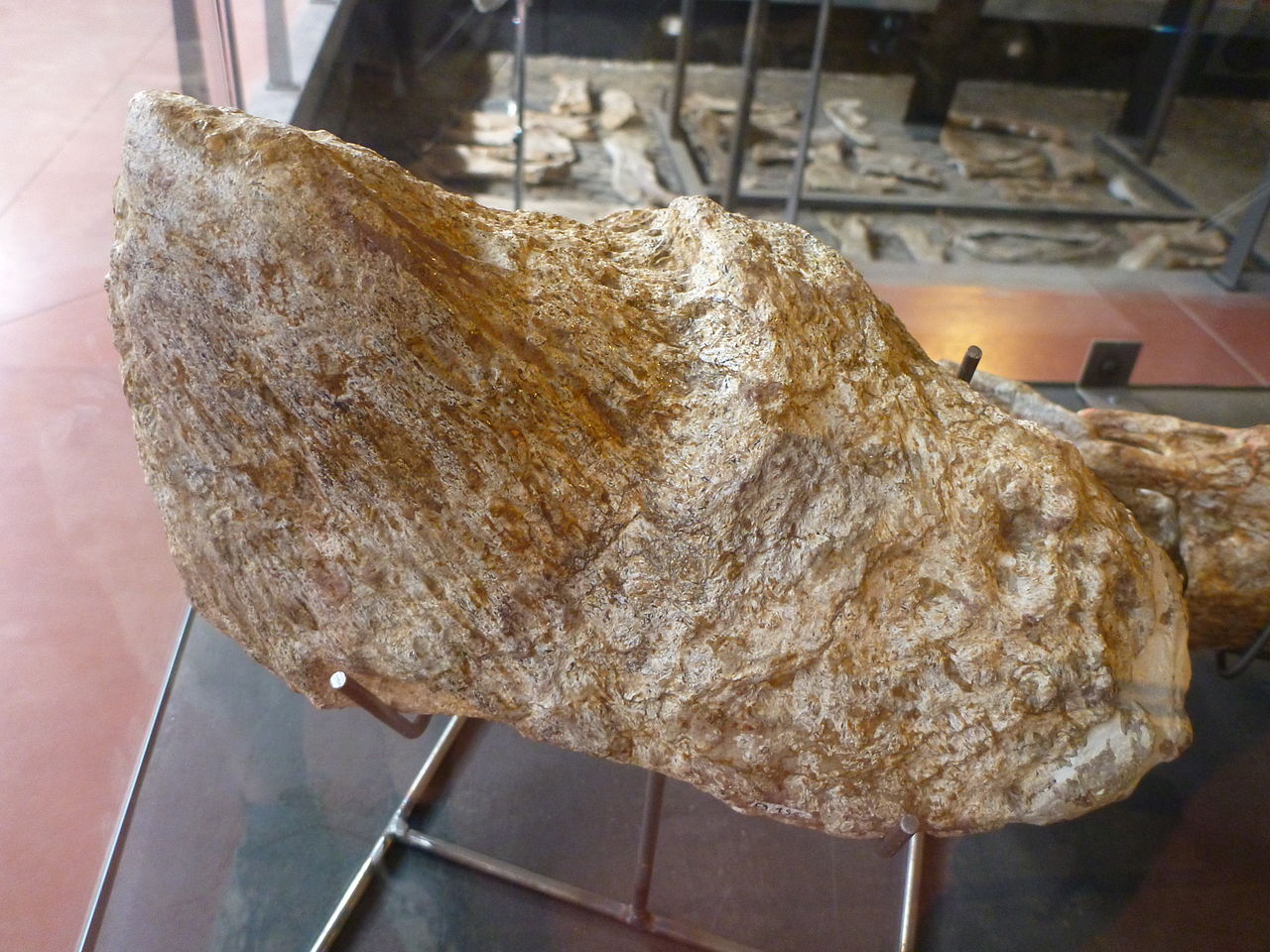
The primary function of these osteoderms was probably protection from predators, although some experts question their effectiveness as a defense mechanism. Furthermore, these structures may have played a role in thermoregulation by influencing heat exchange with the environment. Another proposed function is calcium storage, acting as a reservoir during times of increased calcium demand. Additionally, rows of dorsal osteoderms may have stabilized the trunk and protected the spine from damaging stresses.
Notably, only four osteoderms that can be assigned to Ampelosaurus have been discovered, leading to speculation that titanosaurids like Ampelosaurus may have had limited osteoderm coverage. This lack of osteoderms may have limited their effectiveness as a defensive trait.
Despite the limited knowledge, these osteoderms provide valuable insights into the anatomy and possible lifestyle of this sauropod species.
Dental features
Ampelosaurus atacis is distinguished by its unique dental features, which have provided paleontologists with important information in distinguishing it from other European titanosaurs such as Magyarosaurus and Lirainosaurus.
The teeth of this sauropod are well preserved and facilitate the identification process. These teeth are roughly cylindrical at the top and merge into thin extensions at the bottom. They are approximately 21mm high and 6mm wide.
A characteristic feature of the teeth of A. atacis is the slight narrowing between the root and crown. This good preservation was crucial for comparative analyzes with other titanosaur species and helped researchers draw clear taxonomic boundaries.
Scientific significance
The scientific significance of Ampelosaurus atacis is of great importance in the field of paleontology. As one of the most thoroughly studied titanosaur sauropods from Europe, it has provided researchers with important insights into the anatomy and diversity of these ancient creatures. The discovery in 2001 of a partially articulated skeleton, including a no-longer-articulated skull nicknamed “Eve,” further deepened our understanding of this species, although a full description of these remains remains pending.
The Bellevue site, where numerous well-preserved elements of A. atacis were found, is an important site for research into titanosaurs. The abundance of fossils from this site has allowed paleontologists to develop a detailed understanding of the morphology of A. atacis and possibly its ecological role.
However, recent studies have complicated the taxonomy of titanosaur remains at Bellevue. Evidence of the presence of another titanosaur species at this site has led to ongoing research efforts to clarify the taxonomic relationships between the recovered fossils. This development highlights the dynamic nature of paleontological research and the potential of A. atacis to improve our understanding of titanosaur diversity in Europe.
conclusion
Ampelosaurus atacis is a remarkable sauropod from the Late Cretaceous of southern France. This dinosaur is known for its distinctive physical characteristics, including its large size, unique dental features, and protective bone plates. He plays a significant role in paleontological research and contributes to the understanding of the diversity of titanosaurs in Europe. Ongoing scientific studies of Ampelosaurus are providing valuable insights into the evolutionary history and adaptations of sauropod dinosaurs during the Late Cretaceous.
| length | 16 m |
| Weight | 15 t |
| locomotion | Four-legged |
| Food | herbivores |
Systematics
| Dinosauria |
| Saurischia |
| Eusaurischia |
| Sauropodomorpha |
| Plateosauria |
| Massopoda |
| Sauropodiformes |
| Anchisauria |
| Sauropoda |
| Gravisauria |
| Eusauropoda |
| Neosauropoda |
| Macronaria |
| Titanosauriformes |
| Somphospondyli |
| Titanosauria |
| Eutitanosauria |
| Lithostrotia |
| Lirainosaurinae |
Occurrence in time
| chalk |
| Upper Cretaceous |
| early Maastrichtian |
Happen
| Area | Europe |
| country | France |
| region | Occitania |
| formation | Marnes Rouges Inferieures, Gres de Saint-Chinian, Gres de Labarre ? |
Image sources:
Size comparison: IJReid, CC BY 4.0 https://creativecommons.org/licenses/by/4.0, via Wikimedia Commons
Osteoderm: Jens Lallensack, CC BY-SA 3.0, via Wikimedia Commons