herbivores

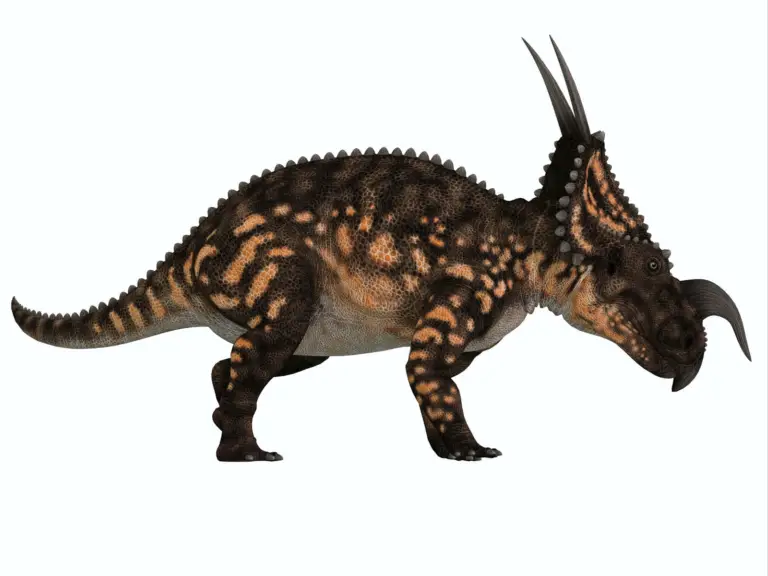
  • Stygimoloch

    Stygimoloch spinifer Stygimoloch is one of the more recent additions to the diaspora of paleontology. Not only do these local dinosaurs have a curious name, but they were also notable for their small size relative to the time period in which they lived. In 1983, British paleontologist Peter M. Galton and German paleontologist Hans-Dieter Sues Stygimoloch described…

  • Europasaurus

    Europasaurus the dwarf sauropod Europasaurus was a small dinosaur from the sauropod family that lived in northern Germany during the Late Jurassic (Middle Kimmeridgian, about 154 million years ago). It was seen as an example of insular dwarfism that resulted from the isolation of a sauropod population on an island in the Lower Saxony Basin. In fact he was a…

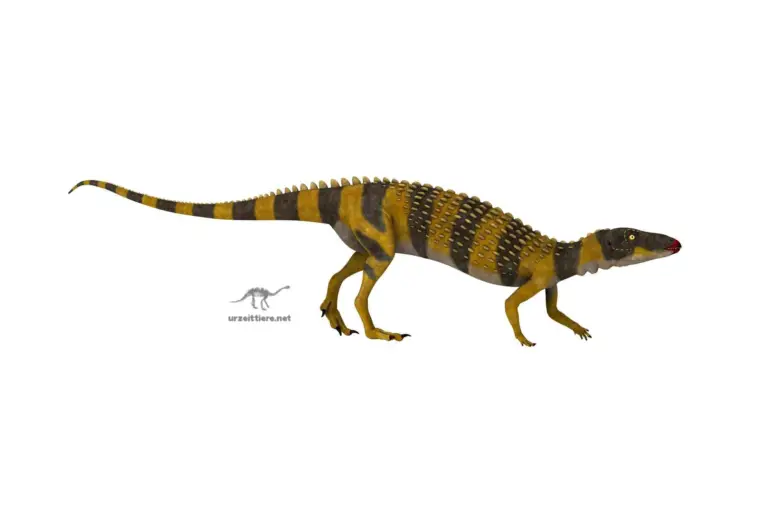
  • Massospondylus

    “Longer vertebra” For a long time, Massospondylus was depicted as a 4-footed dinosaur. But a 2007 anatomical study found that Massospondylus was a typical sauropodomorph dinosaur that moved on two legs. Its skeleton is similar to that of the Plateosaurus, but it is lighter overall. In particular, the skull is proportionally smaller than that of Plateosaurus. The dinosaur was…

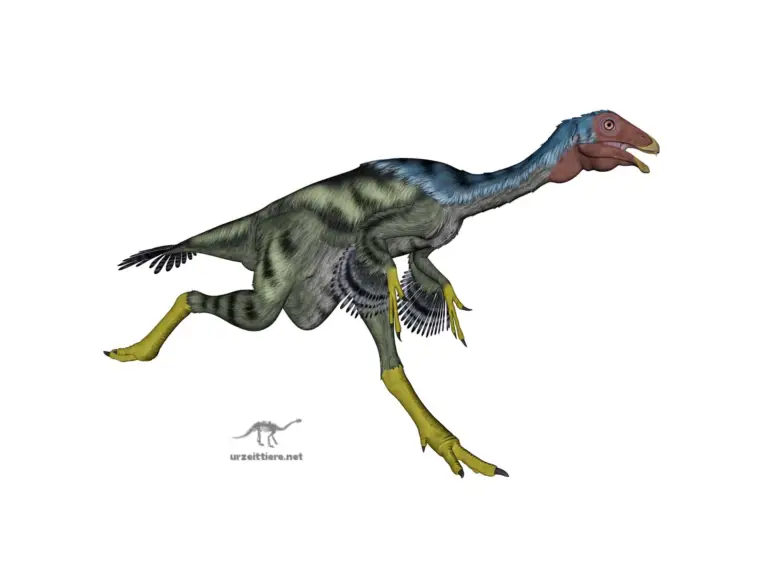
  • Anzu wyliei

    The Chicken from Hell Anzu wyliei is a strange bird-like creature. He has an exceptionally high and thin bony ridge on his skull. This dinosaur has a huge beak with sharp edges and no teeth. The anatomy of the jaw joint is also extraordinary. The lower jaw can be moved forwards and backwards in a sliding movement,…

  • Plateosaurus

    Swabian Lindwurm Plateosaurus was among the first dinosaurs to grow relatively large. Some specimens were up to 10 meters long. He was a massive dinosaur with stocky and thick bones. Its hind legs were more powerfully developed than its front legs, which were also strong. Plateosaurus could stand up on its hind legs, for example to eat higher hanging food...

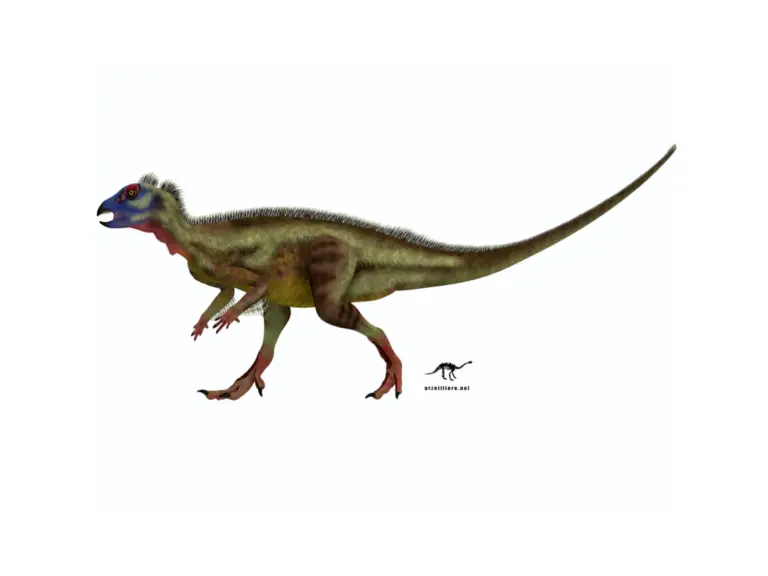
  • Beipiaosaurus

    Beipiaosaurus – “The Lizard of Beipia” Beipiaosaurus received its species name inexpectus because it had some surprising features. While late therizinosaurs had all four toes well developed and therefore in contact with the ground, the inner toes of Beipiaosaurus were underdeveloped. But the most outstanding feature was the presence of two different types of feathers. On the one hand, it had a dense layer of down,...