herbivores

  • Pentaceratops

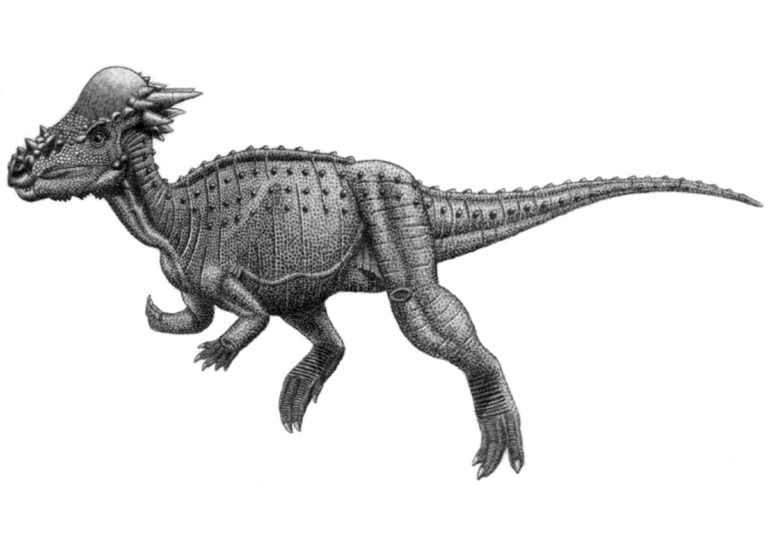
    “Face with five horns” Pentaceratops was a dinosaur that was similar in stature to a rhinoceros (if you ignore its head). The approximately 6 to 7 m long animal walked on four strong legs. Pentaceratops had what was probably the largest known skull ever found on a land animal. From this 3 meter long skull...

  • Diplodocus

    “Double-beamed” Diplodocus was a long-necked giant. It was up to 27 m long. Its neck alone measured 8 meters and its whip-shaped tail was up to 14 meters long. Only his head was puny in relation to his body. It was just 60 cm long. He had forward-facing teeth. These were cone-like and…

  • Amargasaurus

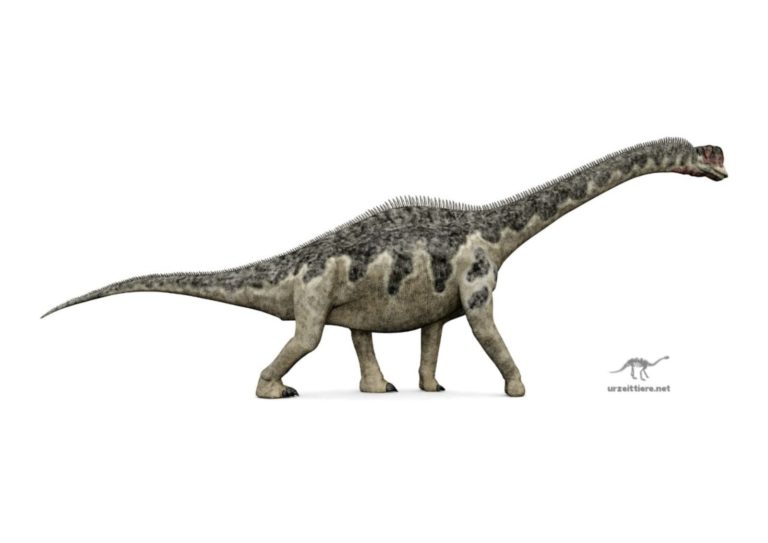
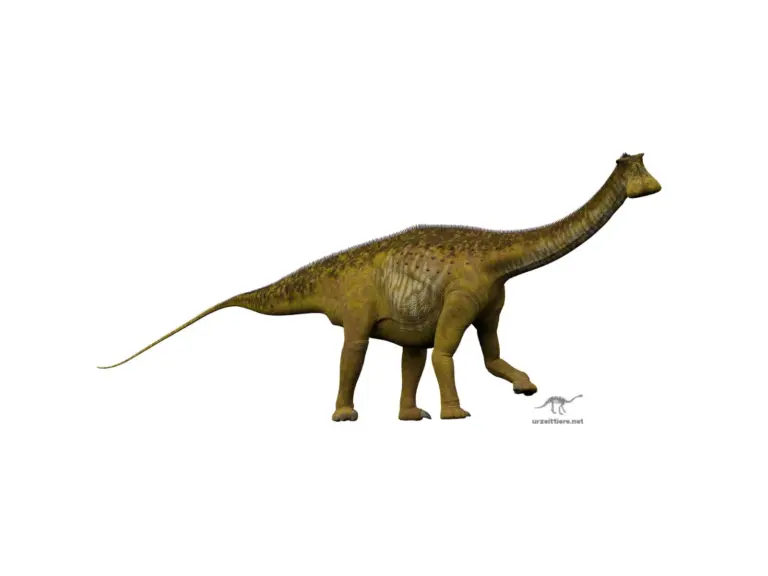
    The Lizard of La Armaga This dinosaur received the name Amargasaurus because of the location where the fossil was found in the La Armaga Gorge in Argentina. So far only one skeleton of this dinosaur has been discovered, but it was relatively complete and in good condition. Found parts of the skull of sauropods are rare, but for this fossil scientists found the back of the head, as well as...

  • Edmontosaurus

    “Edmonton Lizard” Edmontosaurus was one of the largest hadrosaurs ever. The genus got its name from the location of its first discovery, the Edmonton Formation Physical Characteristics of Edmontosaurus Edmontosaurus, a hadrosaur, lived in North America during the Late Cretaceous Period, 73 to 65 million years ago. These herbivores reached lengths of up to 13 meters and...

  • Parasaurolophus

    “Familiar of the Crest Lizard” Parasaurolophus was a duck-billed dinosaur with an extremely long, backward-sloping bony crest. This was hollow and as big as the rest of his skull. Researchers believe that this was used to produce a foghorn-like sound in low frequencies. Parasaurolophus was a herbivore that ate pine needles, leaves, and twigs. There were…

  • Prosaurolophus

    "Before Saurolophus" Prosaurolophus (Greek - before saurolophus), was a terrestrial dinosaur genus of hadrosaurids (known as duck-billed dinosaurs because of the similarity of their head to that of modern ducks). Prosaurolophus occurred in the Late Cretaceous. It is most distinguished by its long, broad skull and a small crest near the eyes. This…