herbivores

  • Diabloceratops

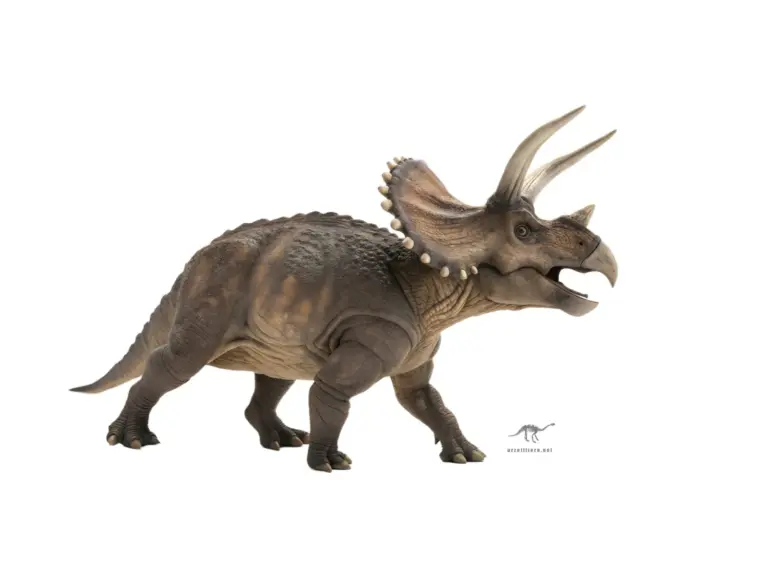
    Diabloceratops: The “Devil Horn Face” from Utah Description (Physical Characteristics) Diabloceratops eatoni was a four-legged herbivorous dinosaur. Like other ceratopsians, it had a strong, heavy build. The animal was around 4.5 meters long and weighed around 1.3 tons. This made it much smaller than the famous Triceratops, which reached a length of 8 to 9 meters. The…

  • Alamosaurus

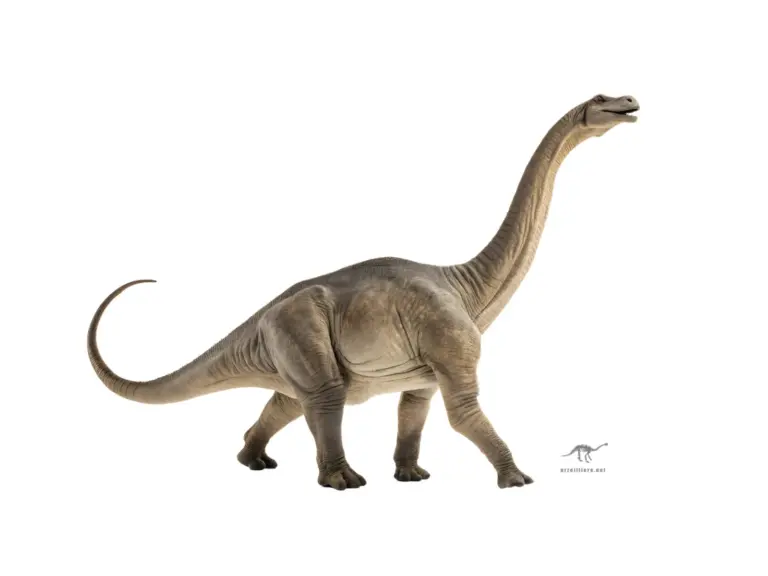
    Description of Physical Characteristics of Alamosaurus Alamosaurus was a giant quadrupedal herbivore from the sauropod group known for its immense size and long neck. This dinosaur had a long tail and limbs with thick, powerful legs to support its weight. Despite its massive body, Alamosaurus only had a small...

  • Albertaceratops

    Description (Physical Characteristics) Albertaceratops nesmoi was a medium-sized horned dinosaur in the subfamily Centrosaurinae that lived in the region of present-day Alberta, Canada, during the Middle Campanian Stage of the Late Cretaceous Period, approximately 80 to 76 million years ago. This herbivorous dinosaur reached respectable dimensions, with an estimated body length of around 6.2 meters and a weight of…

  • Apatosaurus

    Physical Characteristics Apatosaurus was an example of the extreme size that land creatures could reach. These sauropods reached a length of 21 to 23 meters and a weight of 16.4 to 22.4 tons. Larger specimens were up to 30 meters long and weighed up to 33 tons. The animal's body structure was characterized by a small…

  • Brachylophosaurus

    As we delve into the fascinating world of dinosaurs, we come across a variety of species that fascinate us with their unique characteristics and adaptations. One of the particularly interesting herbivorous hadrosaurs is the Brachylophosaurus, a dinosaur that lived millions of years ago in the regions of Alberta, Canada, and Montana, USA. The name Brachylophosaurus, which…

  • Gigantoraptor

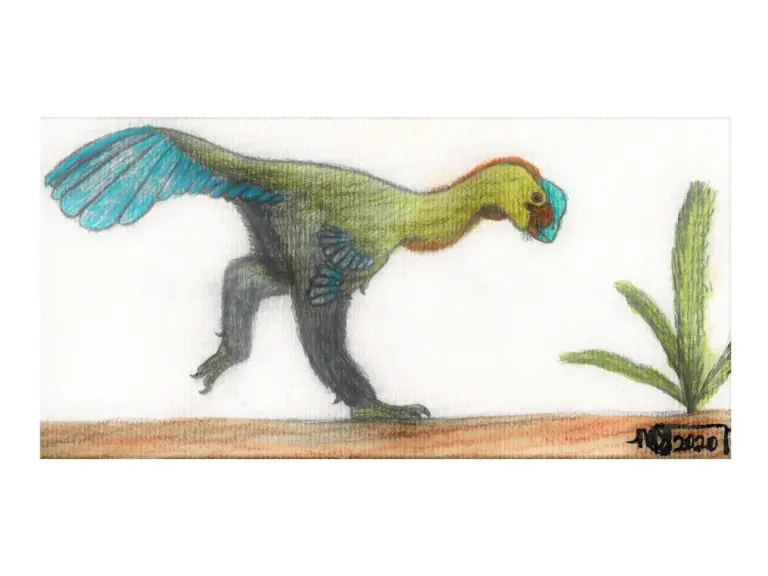
    Gigantoraptor: Discovery and naming of the colossal Oviraptorosaurus Gigantoraptor erlianensis was discovered in 2005 in Inner Mongolia, China. The genus name Gigantoraptor combines the Latin word “gigas,” meaning “giant,” with “raptor,” which refers to its relationship to other oviraptorosaurs. The species name erlianensis refers to the Erlian Basin in Inner Mongolia, where the…