
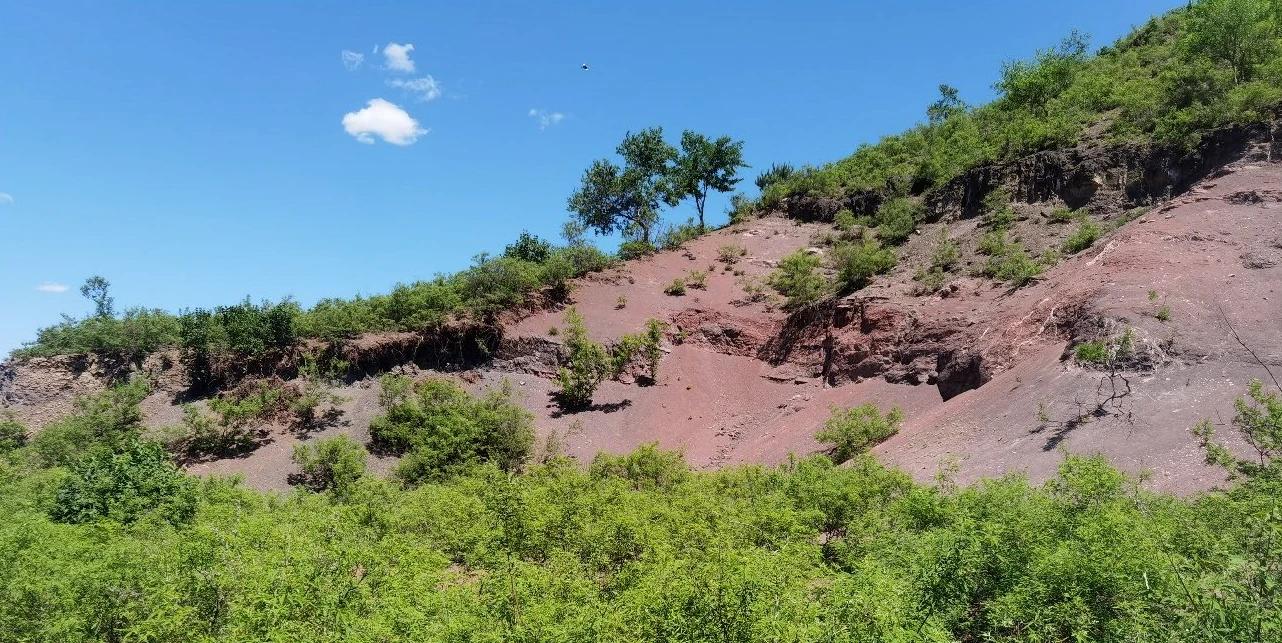
Yixian Formation
What is the Yixian Formation and where is it located?
The Yixian Formation is located in northeastern China, in Liaoning Province. This region has become one of the most important sites for dinosaur fossils worldwide. The rock strata were formed about 120 million years ago during the early Cretaceous period, when the Earth looked very different than it does today.
The formation extends over several hundred square kilometers and encompasses various sites. Particularly well-known are... Sihetun and Beipiao, where researchers have made most of the spectacular finds. These sites are located about 500 kilometers northeast of Beijing in a hilly landscape that is now dominated by agriculture.
What makes this area so special are the geological conditions that prevailed at that time. The region was volcanically activeVolcanoes erupted repeatedly, burying entire landscapes under hot ash. These sudden eruptions killed animals instantly and preserved them for eternity. The ash formed thin layers that acted like a natural refrigerator, preventing the bodies from decomposing.
The sedimentary conditions were perfect for fossil formation. The volcanic ash mixed with mud from lakes and rivers. This mixture excluded oxygen and stopped decomposition. As a result, not only bones were preserved, but also... Soft tissues such as skin and even feathers – something that normally disappears very quickly after death.
Today, visitors can see some of these sites, although active research mostly takes place in restricted areas. The region has become an important center for paleontology. Several museums in the area display the impressive finds and explain how the fossils were formed.
Why are the fossils of the Yixian Formation so extraordinary?
The fossils from the Yixian Formation are among the best preserved in the world. What makes them so special is the fact that not only hard parts like bones and teeth have been preserved, but also soft tissue. Researchers are finding dinosaurs here with preserved skin, muscles, internal organs, and—most spectacularly—feathers.
This extraordinary preservation resulted from a combination of favorable circumstances. Volcanic eruptions killed the animals instantly, without giving them time to flee or hide. The hot ash completely covered them, sealing them airtight. Within a few hours or days, the bodies were encased in a protective layer that shielded them from bacteria and other decomposition processes.
The chemical conditions in these ash layers were ideal. The pH value was just right to preserve even sensitive organic materials. Even Color pigments Some of the markings in the feathers were preserved. This allows researchers today to determine what colors the dinosaurs had back then.
The finds show dinosaurs in natural positions. Some were curled up asleep, others were feeding or caring for their young. These snapshots from the past tell stories about the animals' behavior that could never have been gleaned from individual bones.
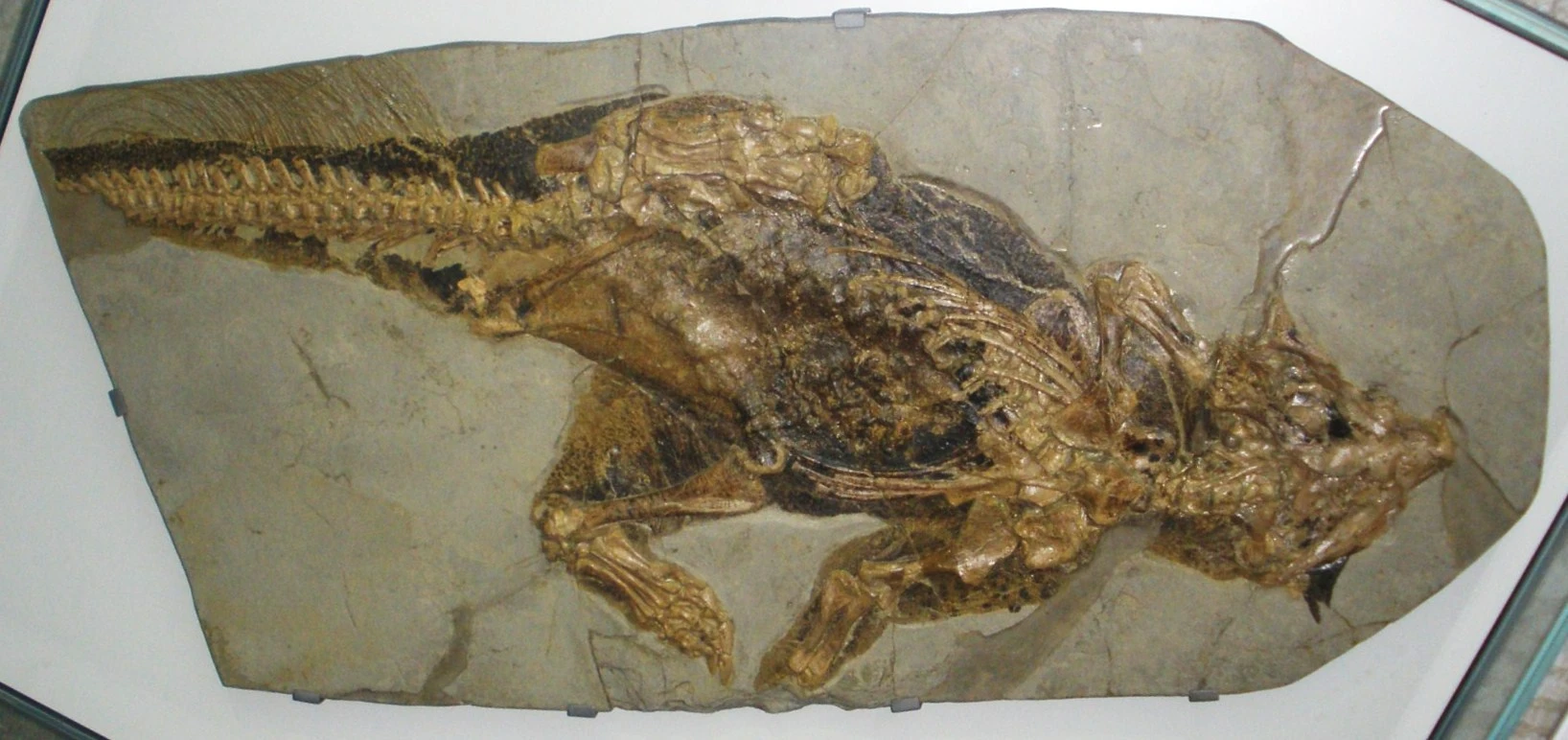
The details of the feather structures are particularly impressive. Researchers can distinguish between different types of feathers: simple thread-like structures that look like hair, more complex branched feathers, and even real flight feathers with symmetrical or asymmetrical shapes. This diversity shows that feathers did not originate in birds, but already played an important role in their dinosaur ancestors.
Compared to other famous fossil sites such as the Solnhofen Limestone in Germany, the Yixian Formation offers a much greater diversity of species and better preservation of soft tissues. While the Solnhofen Limestone is primarily known for the early bird Archaeopteryx, the Yixian Formation has yielded dozens of different feathered dinosaur species.
Which feathered dinosaurs were discovered in the Yixian Formation?
Sinosauropteryx was the first dinosaur in which researchers were able to definitively prove the presence of feathers. This one, for example. chicken-sized carnivores Sinosauropteryx lived 120 million years ago and had simple, thread-like structures on its back and tail. These protofeathers looked like dense fur and probably served as thermal insulation. Sinosauropteryx could not fly, but its feathers show that these structures originally had purposes other than flight.
Microraptor Microraptor is one of the most fascinating finds from the formation. This dinosaur possessed asymmetrical feathers—not only on its arms but also on its legs. Its black, glossy feathers were perfectly suited for gliding between trees. Microraptor shows that the evolution of flight was more complex than previously thought. Perhaps dinosaurs began gliding from trees before they learned to fly from the ground.
Caudipteryx It already possessed proper feathers with symmetrical structures on its tail and arms. These feathers were Too short to fly, but perfect for courtship or temperature regulation. The dinosaur walked on two legs and had a small head with few teeth. It probably ate both plants and small animals.
One particularly spectacular find is BolongThis dinosaur belonged to a group of herbivores not typically associated with feathers. Nevertheless, Bolong had bristly structures on its tail and possibly also on its body. This suggests that feathers were more widespread among dinosaurs than previously thought.
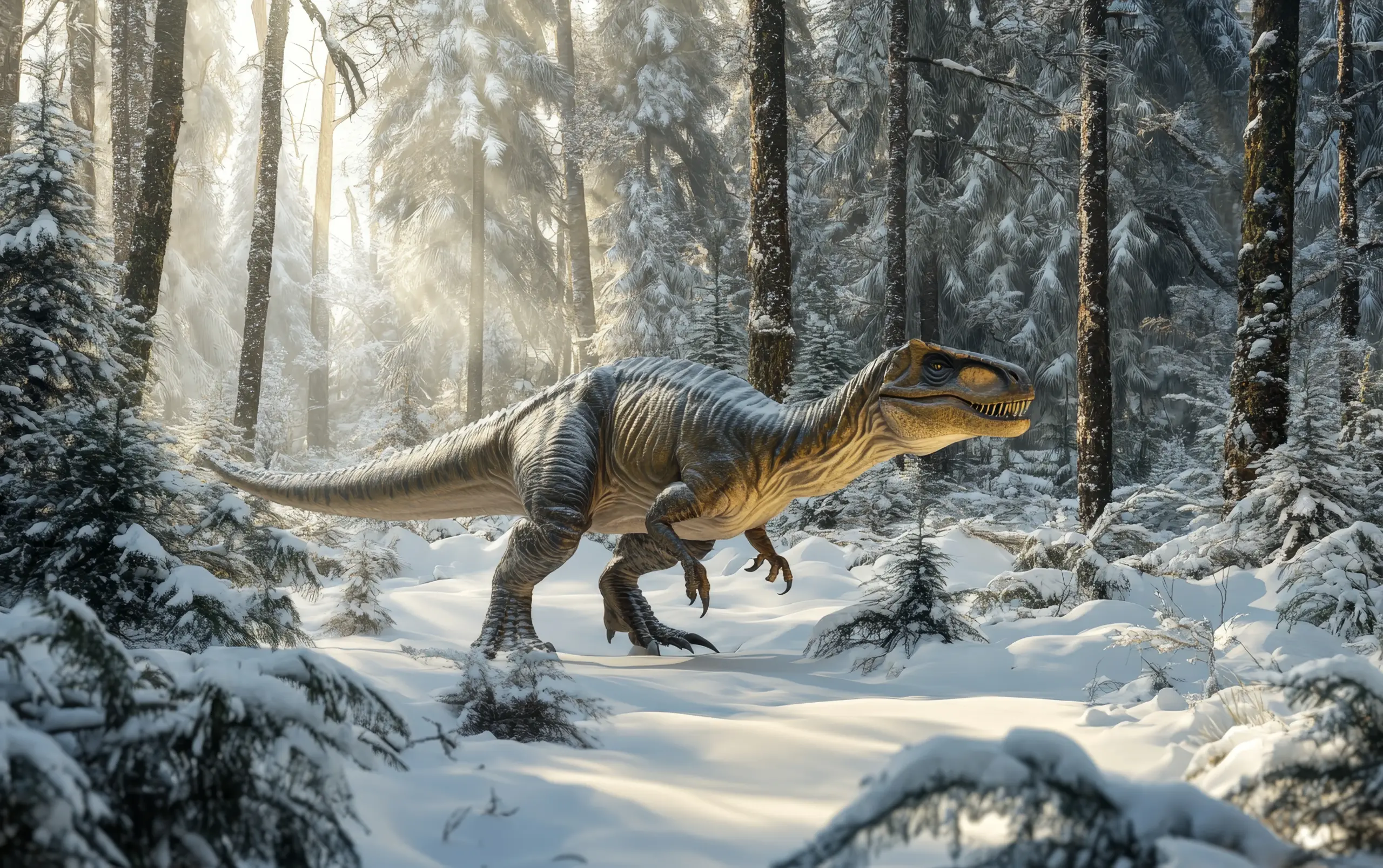
Yutyrannus It is the largest known feathered dinosaur. At nine meters long, it was a formidable predator, related to the famous Tyrannosaurus rex. Its feathers were long and fluffy, covering its entire body. Given its size, they likely served as thermal insulation, as even large animals can have difficulty regulating their body temperature in cold weather.
Anchiornis It perfectly illustrates the transition between dinosaurs and birds. Its feathers were black with white stripes on its wings. Researchers have even been able to prove that it had a red crest on its head. Anchiornis was probably already capable of short flights or at least gliding very well.
This diversity of feathered species shows that feathers were an important invention of evolution. They did not originate for flight, but developed for other reasons. Only later were they used and perfected for flying.
Has China actually found a dragon fossil? Myths and facts.
Headlines claiming that China has discovered dragon fossils appear in the media time and again. These reports are usually based on misunderstandings or deliberate exaggerations. While the spectacular dinosaur finds from the Yixian Formation are indeed extraordinary, they are real animals, not mythical creatures.
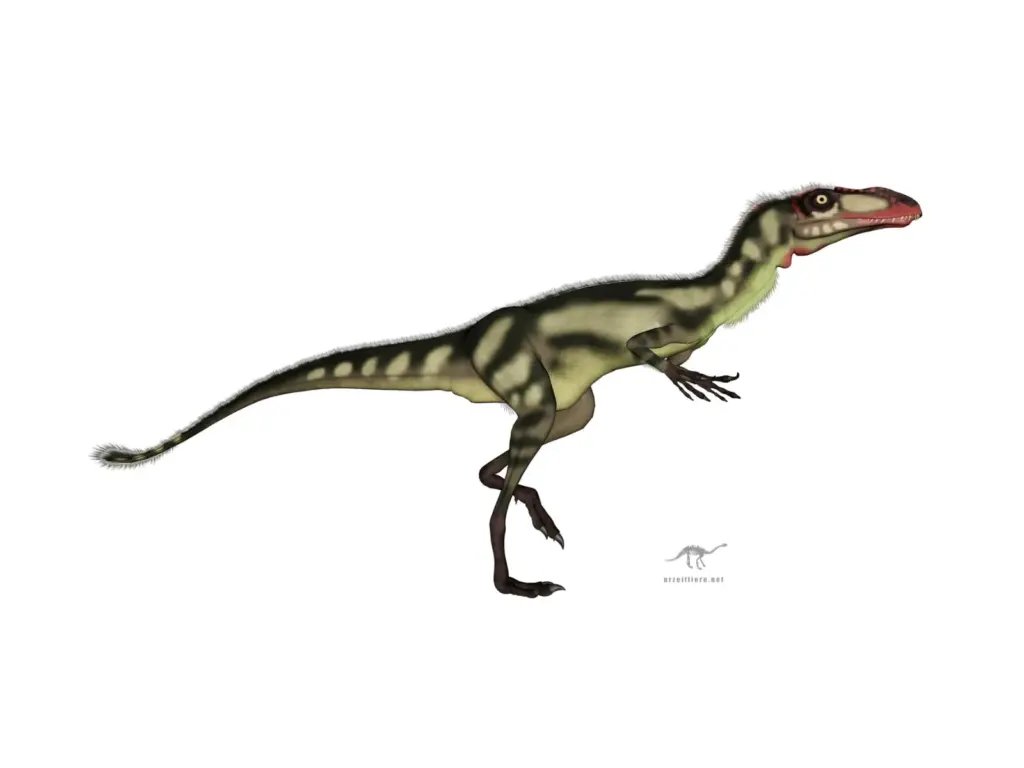
The myth often arises from the Chinese names of the dinosaurs. Many species names contain the Chinese word for dragon. Dilong literally means "Emperor Dragon“, Guanlong means “Crown Dragon"These names are a tribute to Chinese culture, but the animals behind them are just ordinary dinosaurs."
In Chinese mythology, dragons play an important, positive role. They bring good fortune, wisdom, and power. When paleontologists discover new dinosaur species, they often choose names that reflect this cultural significance. This doesn't make the animals mythical creatures, but rather honors Chinese tradition.
Some finds do indeed look spectacular. Long, snake-like dinosaurs with feathers or wing membranes can resemble depictions of dragons. Microraptor, in particular, with its four wings and long tail, bears similarities to traditional dragon images. Nevertheless, it remains a dinosaur that lived 120 million years ago.
There are even theories that ancient fossil finds may have inspired dragon myths. Humans have been finding fossilized bones for thousands of years and inventing stories about them. A large dinosaur skull with teeth could certainly have sparked the imagination.
The distinction between popular names and scientific names is important. Journalists often use dramatic terms like "dragon" or "monster" to grab attention. Scientists are more careful with their language and describe precisely what they have found.
The real finds from the Yixian Formation are, without exaggeration, spectacular enough. Dinosaurs with colorful feathers, roaming through primeval forests millions of years ago, are at least as fascinating as any fantasy creature.
The significance of the Yixian Formation for evolutionary research
The finds from the Yixian Formation have fundamentally changed our understanding of dinosaurs. Before these discoveries, dinosaurs were thought to be... scaly, reptile-like monsters The Chinese fossils showed for the first time that many dinosaurs had feathers and were brightly colored like modern birds.
These discoveries provided direct proof of the relationship between dinosaurs and birds. Researchers had long noticed similarities in bone structure, but the feathered dinosaurs from China made the connection obvious. Birds are literally dinosaurs that have survived..
The evolution of feathers can be traced step by step through the finds from Liaoning. Simple thread-like structures developed into more complex, branched forms and finally into aerodynamic flight feathers. This process took millions of years and shows how evolution works in small steps.
The different functions of feathers are particularly interesting. The first feathers served as thermal insulation, just like fur in mammals. Later, other uses were added: Camouflage, communication, courtship behavior, and finally, flight. This variety of functions explains why springs were so successful.
The fossils also provide insights into the animals' behavior. Some dinosaurs were found in nests, indicating that they were incubating their eggs. Others were found curled up, as if they had died in their sleep. These behaviors are now known in birds and demonstrate their close relationship.
The ecosystem of the early Cretaceous period comes alive through these finds. Besides dinosaurs, fossils of plants, insects, fish, and early mammals are discovered. The climate was warm and humid., with dense forests and many lakes. Volcanic eruptions regularly interrupted the peaceful life.
Research in the Yixian Formation has also yielded new methods. Techniques for examining color pigments in fossils were developed here. The analysis of feather structures at the molecular level is another new science that originated here.
Other important sites of feathered dinosaur fossils in China
The Yixian Formation is just one of several important fossil sites in the Liaoning region. Directly above it lies the Jiufotang Formation, which is about 110 million years old. It contains similarly well-preserved fossils and shows the evolution of animal life over a longer period.
The Jehol Group The term "Yixian Formation" is a general term for several rock formations in this region. Besides the Yixian and Jiufotang Formations, it also includes smaller strata containing fossils. Together, they form a unique archive of early Cretaceous life in East Asia.
The Daohugou Formation It lies a little further west and is even older – about 160 million years old. Here, researchers found some of the earliest feathered dinosaurs, including Anchiornis. These finds show that feathers originated very early in dinosaur evolution.
There are also significant archaeological sites in other parts of China. The area around Zhucheng Shandong province is known for its vast dinosaur graveyards containing thousands of bones. The largest herbivores of the Cretaceous period lived here in enormous herds.
The region around Hami in XinjiangA region in western China has also yielded spectacular finds. This desert region was once a fertile lowland with rivers and forests. Here, eggs containing embryonic dinosaurs and even traces of dinosaur skin have been discovered.
In recent years, Chinese paleontologists have expanded their research to other regions. Tibet, now high in the mountains, was at sea level during the time of the dinosaurs. New species are now being discovered there, showing how life adapted to changing geological conditions.
The collaboration between Chinese and international researchers has greatly improved the quality of research. Modern laboratory techniques are combined with traditional fieldwork. The result is increasingly detailed reconstructions of prehistoric life.
The Chinese government has strengthened the protection of fossil sites. Many areas are now protected, and the illegal trade in fossils is strictly prosecuted. This is intended to ensure that future generations of researchers can still make discoveries.
How scientists detect and analyze feathers in fossils
Detecting feathers in fossils millions of years old requires specialized techniques. Researchers first search for characteristic structures under a microscope. Feathers have a very specific architecture with a central shaft and lateral branches, which differs from other structures.
Modern scanning electron microscopes can reveal details down to the nanometer scale. This allows the identification of individual cells and even organelles in fossilized feathers. These ultrafine structures reveal much about the original composition and function of the feathers.
The analysis of color pigments is particularly fascinating. Sometimes they remain in the feathers. Melanosomes They preserved tiny structures that were responsible for the coloration. Depending on the shape and size of these melanosomes, researchers can deduce the original colors. Round melanosomes produced black color, elongated ones reddish to brownish tones.
Chemical analyses complement the microscopic examinations. Spectrometry allows the identification of organic residues originating from the original feathers. Even complex molecules such as proteins can be detected in trace amounts.
Digital reconstruction has revolutionized research. Computers can create three-dimensional models of living animals from flat fossils. In doing so, feather structures are reconstructed as they appeared on the living animal. These models help us understand how the feathers functioned.
Comparisons with modern bird feathers provide important clues about the function of prehistoric feathers. Researchers are investigating whether fossil feathers were asymmetrical like flight feathers or symmetrical like ornamental feathers. The density and arrangement of the feather barbs reveal whether the feathers were waterproof or served only for insulation.
Image sources:
Featured image: Gang Han, Jordan C. Mallon, Aaron J. Lussier, Xiao-Chun Wu, Robert Mitchell & Ling-Ji Li, CC BY 4.0 https://creativecommons.org/licenses/by/4.0, via Wikimedia Commons
Fossil of a Psittacosaurus; Ghedoghedo, CC BY-SA 3.0 https://creativecommons.org/licenses/by-sa/3.0, via Wikimedia Commons