
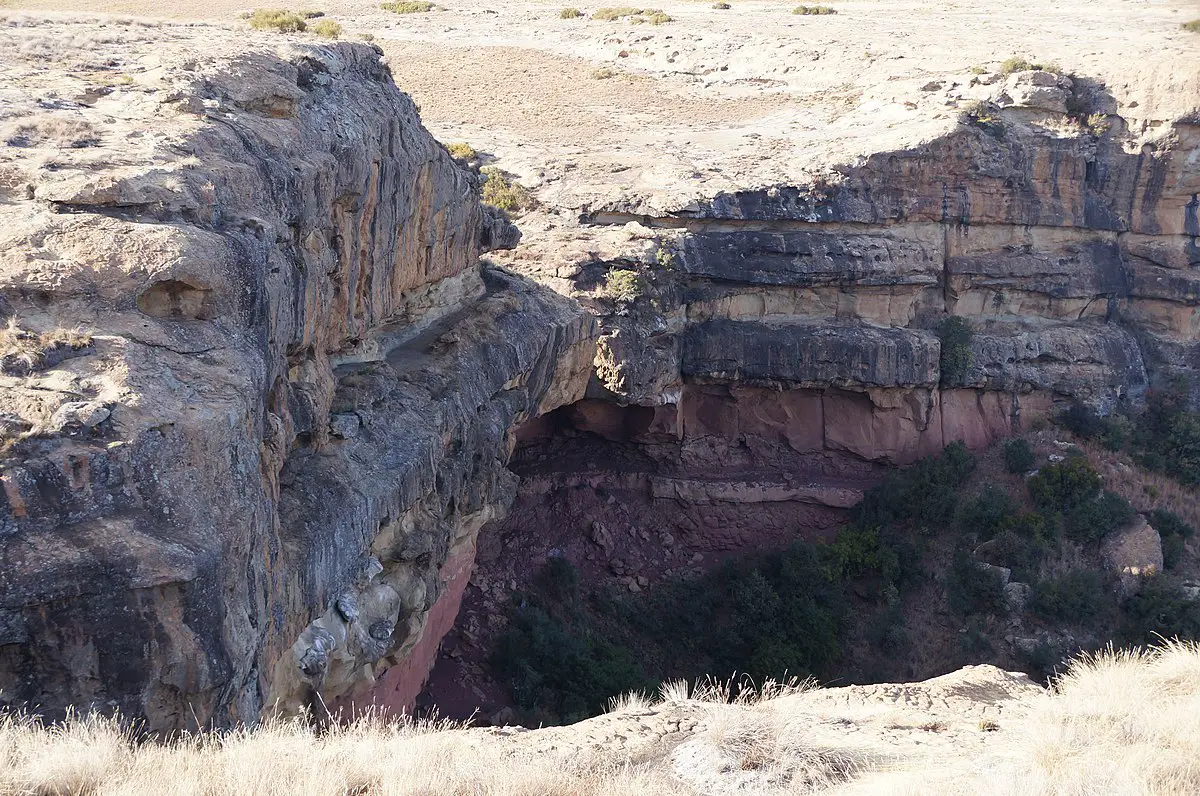
Elliot Formation
What is the Elliott Wave formation and where is it located?
The Elliot Formation extends across large parts of the Karoo Basin in South Africa and forms a significant geological complex within the Stormberg Group of the Karoo Supergroup. This continental sedimentary formation originated during the transition between the Triassic and Jurassic periods and documents one of the most important periods in Earth's history.
The main areas where it was found are concentrated in the provinces. Free State and Eastern CapeThe formation extends over an area of several thousand square kilometers. The Karoo Basin, in which the Elliot Formation is embedded, represents one of the largest continental sedimentary basins in the world. The formation is particularly evident in the Drakensberg Mountains and the adjacent uplands.
Geologically, the Elliot Formation belongs to the Stormberg Group and overlies the Molteno FormationThe sediments originated in an extensive river system that drained from northwest to southeast. These fluvial deposits consist mainly of red and gray sandstones, siltstones, and claystones, which were embedded beneath arid until they were deposited under semi-arid climatic conditions.
The formation can be divided into two main units: the lower and upper Elliott formationEach of these units exhibits characteristic lithological Features are present that allow conclusions to be drawn about the environmental conditions at that time. The sedimentary structures show typical characteristics of river systems, including cross-bedding, channel infill, and floodplain deposits.
The study area also includes parts of Lesotho, where significant fossil finds have been made. Continuous erosion has exposed the originally horizontally deposited layers and now allows direct access to rocks which over 200 million years ago These outcrops offer paleontologists unique opportunities to study early dinosaur ecosystems.
How old is the Elliot formation: Chronological classification
The Elliot Formation is dated primarily using biostratigraphic methods with vertebrate fossils as time markers. The lower Elliot Formation is dated to the Late Triassic, specifically to the period between approximately 1000 and 1600 BC. 227 and 201 million years agoThe upper Elliot Formation, on the other hand, originated in the early Jurassic, roughly between 201 and 190 million years ago before today.
This dating is based on the correlation of dinosaur assemblages with other well-dated formations worldwide. Of particular significance is the fact that the Elliot Formation spans the critical Triassic-Jurassic boundary, a period of dramatic change in Earth's history. The mass extinction at the end of the Triassic led to fundamental changes in terrestrial fauna.
Radiometric dating supports these biostratigraphic age determinations. Magnetostratigraphic Investigations have provided additional evidence for the precise chronological sequence of sediment deposition. The polarity reversals of the Earth's magnetic field, preserved in the rocks, allow for precise correlations with the global magnetostratigraphic timescale.
Dinosaur evolution following the Triassic mass extinction is clearly documented in the Elliot Formation. The early dinosaur communities of the lower formation differ markedly from those of the upper formation. This development reflects the adaptive radiation the dinosaurs, which occupied new ecological niches after the extinction of competing reptile groups.
Palynological Studies support the dating through the analysis of pollen and spores preserved in the sediments. These microscopic fossils show the change in vegetation from Triassic to Jurassic types and confirm the ages determined biostratigraphically.
Structure and rock layers of the Elliot Formation
The lithological differences between the lower and upper Elliot Formation are clearly recognizable and reflect altered depositional conditions. lower Elliott formation is characterized by its distinctive reddish coloration This is due to oxidized iron compounds in the sediments. These reddish-brown sandstones and siltstones were formed in an oxidizing environment under arid climatic conditions.
The Upper Elliott Formation However, a grey to greenish coloration, which indicates reducing conditions during sedimentation. These color differences not only reflect different Redox conditions, but also different climatic conditions during deposition. The grey layers of the upper formation were formed under wetter conditions with higher groundwater levels.
The sediments of both formation sections originate from extensive river systems that flowed through the southern part of the region. Gondwana The strata are interspersed with fine-grained claystones to coarse-grained sandstones, with conglomerate layers indicating local high-energy deposits. Cross-bedding and cross-bedding are common sedimentary structures that provide information about the flow directions of the rivers of that time.
Fossils are found in various layers of the formation, with preservation depending heavily on the specific depositional conditions. Complete skeletons are particularly well preserved in layers where rapid embedding by flooding occurred. The mudstone horizons often contain articulated skeletons, while the sandstone layers tend to harbor isolated bones and fragmentary material.
The strength of the Elliot formation varies regionally between 150 and 500 metersThese variations reflect differing subsidence and sedimentation rates in different parts of the Karoo Basin. Tectonic activity during deposition led to local variations in thickness and influenced the preservation of fossils.
Geochemical analyses of the rocks reveal variations in composition, indicating changing source areas and weathering conditions. Analysis of clay minerals confirms intensive chemical weathering in the source area, typical of the warm climatic conditions of the Late Triassic and Early Jurassic periods.
Significant dinosaur finds in the Elliot Formation
Massospondylus Massospondylus dominates as the most frequent dinosaur find in the Elliot Formation and represents one of the best-known early sauropodomorphs. Hundreds of Massospondylus skeletons have been recovered from the formation, including complete articulated specimens of all ages, from juveniles to adults. This exceptional fossil record has made Massospondylus one of the best-understood early dinosaurs.
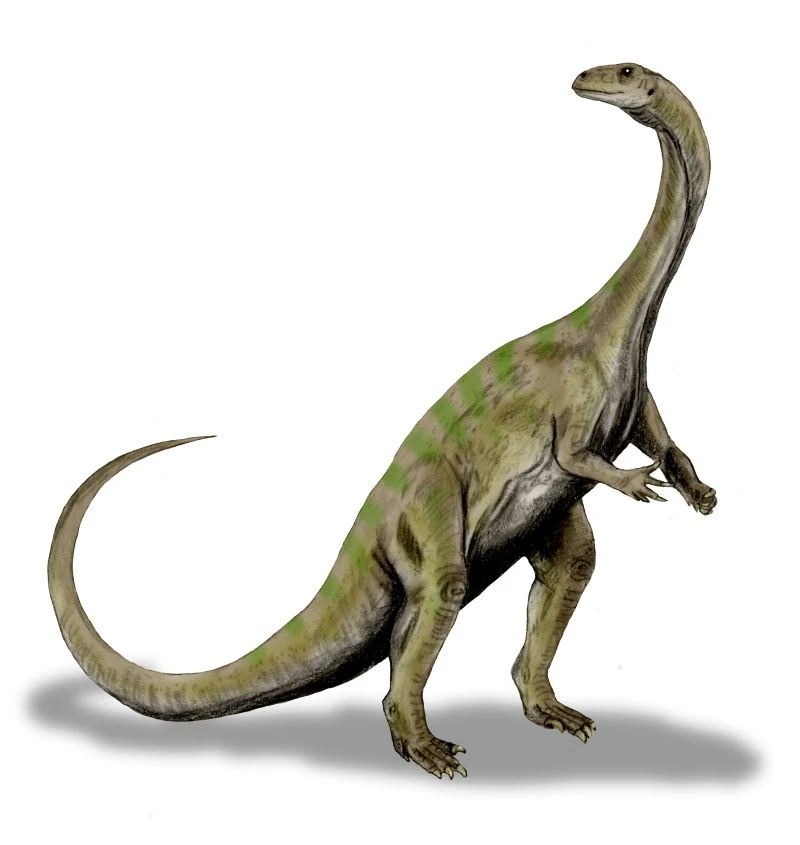
The Massospondylus fossils include not only skeletal remains but also the world's oldest known dinosaur eggs containing preserved embryos. These spectacular finds from Golden Gate Highlands National Park originate from the Lower Elliot Formation and are approximately 200 million years old. The embryos already show characteristic features of the Sauropodomorpha. and provide important insights into the early development of this group of dinosaurs.
In addition to Massospondylus, various Ornithischia species were discovered in the Elliot Formation. Lesothosaurus From the upper formation, it is considered one of the most primitive known bird-hipped dinosaurs and helps in understanding the early evolution of this main group. Other Ornithischian finds include primitive Thyreophora, the first armored dinosaurs.
Early predatory dinosaurs are also documented in the formation, although they are rarer than the herbivorous forms. CoelophysisTheropod-like dinosaurs and primitive tetanurae demonstrate the diversity of early carnivores. These predatory dinosaurs were relatively small, agile hunters that fed on smaller vertebrates and possibly also on carrion.
The importance of the Elliot Formation for understanding early dinosaur ecosystems cannot be overstated. The high diversity of the taxa found there documents a complex ecosystem with various ecological niches. Herbivorous dinosaurs of different size classes coexisted with specialized carnivores and omnivorous forms.
Particularly noteworthy are the references to Herd behavior in MassospondylusSeveral fossil sites have revealed aggregations of individuals of different age groups, suggesting complex social structures. This early evidence of group behavior significantly expands our understanding of the behavioral ecology of Mesozoic dinosaurs.
The discovery of Massospondylus embryos has also yielded important insights into developmental biology. Computed tomography scans of the eggs show that the embryos already exhibited many characteristic features of adult animals, but still had a relatively large head in relation to their body – a typical juvenile trait in vertebrates.
Fossils and paleontological features
The exceptionally well-preserved skeletons in the Elliot Formation result from specific geological features. taphonomic Conditions that allowed for the rapid embedding of carcasses. Sudden flooding events transported sediments and quickly buried dead animals before decomposition or dispersal by scavengers could occur. This rapid covering with fine-grained sediments created optimal conditions for fossilization.
The fossil assemblage of the Elliot Formation is remarkably diverse, encompassing not only dinosaurs but also crocodile relatives, early mammals, and various other reptile groups. Aetosaurs, armored archosaurs, are particularly common in the lower formation and show connections to other Triassic faunas worldwide. These heavily armored herbivores shared habitats with early dinosaurs.
Early mammals are represented by Megazostrodon and related forms, which are among the oldest known true mammals. These small, nocturnal insectivores lived in the shadow of the dominant reptiles as early as the Late Triassic. Their tiny bones and teeth require careful preparation techniques for their recovery and study.
Evidence of the vegetation at that time is documented by plant fossils and pollen. Conifers dominated the tree canopy, while ferns and early cycads formed the undergrowth. Petrified wood reveals the anatomy of Mesozoic forests and demonstrates the adaptation of plants to the warm, sometimes arid, climatic conditions.
Dinosaur footprints and trace fossils complement the skeletal remains and provide information about behavior and locomotion. Various ichnofossils document the activities of theropods, sauropodomorphs, and ornithischians. Particularly interesting are track patterns that allow conclusions to be drawn about gait and speed.
The taphonomy of the Elliot Formation exhibits characteristic patterns typical of fluvial deposits. Bones are frequently concentrated in channel fillings, where currents transported and deposited organic remains. The orientation of the bones often follows the flow direction, revealing the pathways of the ancient river systems.
Geochemical analyses of the fossil bones have provided information about the Diagenesis and mineralization. Rare earth elements and trace elements in the bones reflect the chemistry of the surrounding sediments and help in reconstructing the burial environment.
Important archaeological sites and museums
The Golden Gate Highlands National Park The Elliot Formation forms the heart of research and is home to some of South Africa's most spectacular dinosaur fossil sites. The park's dramatic sandstone cliffs contain numerous fossil locations that have been systematically explored for over a century. The Massospondylus embryo site, in particular, has garnered international attention and is considered one of the most important paleontological discoveries of the 21st century.
Maphutseng in Lesotho This region represents another important area where Lesothosaurus and other primitive ornithischians have been discovered. This remote mountainous area has yielded particularly well-preserved specimens, which are now held in international museum collections. The difficult-to-access fossil sites often require expeditions on foot lasting several days.
The African Museum in Cape Town It presents a comprehensive exhibition on the Elliot Formation, featuring original fossil material and detailed reconstructions. The collection includes several complete Massospondylus skeletons as well as rare specimens of other dinosaurs. Interactive displays explain the geological history of the formation and the fossilization processes.
The National Museum in Bloemfontein The museum houses a significant collection of local finds from the Elliot Formation, as many important sites are located in the area surrounding the city. It regularly conducts field trips to nearby outcrops and actively participates in research. School programs teach the importance of the region's paleontological treasures.
The fossil collection of University of the Witwatersrand in Johannesburg It is considered one of the most comprehensive Elliott Wave formation collections worldwide. Bernard Price Institute The University of Palaeontological Research houses thousands of specimens and conducts ongoing research projects. The university also trains the next generation of South African paleontologists.
Other important collections can be found at Iziko South African Museum and at international institutions such as the Natural History Museum in London, which houses historical finds from the colonial period. This international distribution of the fossils reflects the long research history of the formation.
Scientific significance for dinosaur research
The Elliot Formation documents the radiation of early dinosaurs following the devastating Triassic mass extinction, which wiped out approximately 76% of all species. This event created ecological niches that dinosaurs rapidly occupied, leading to their dominant position in Mesozoic ecosystems. The formation reveals this adaptive radiation in exceptional detail.
The transition from small, bipedal dinosaurs to large herbivores is particularly well documented in the Elliot Formation. Massospondylus and related sauropodomorphs exhibit early experiments with gigantism, which later led to the largest land animals in Earth's history. Biomechanical analyses of Elliot Formation fossils have provided important insights into the evolution of sauropod anatomy.
The diversity of dinosaur communities in the Elliot Formation surpasses that of most contemporaneous formations on other continents. This high diversity suggests complex ecological interactions and niche differentiation. Different herbivore morphotypes exhibit varying feeding strategies, ranging from ground-grazing to high-reaching forms.
Studies of the Triassic-Jurassic boundary use the Elliot Formation as a reference profile for southern Gondwana. The continuous sedimentary sequence through this critical period is globally rare and makes the formation a natural laboratory for the study of mass extinctions and recovery processes.
Gondwanan paleobiogeography benefits considerably from the Elliot Formation finds, as they reveal connections to contemporaneous faunas in South America, Australia, and Antarctica. These correlations aid in understanding continental drift and its impact on the evolution of terrestrial vertebrates.
State-of-the-art analytical methods are continuously developed and tested on Elliot Formation material. High-resolution computed tomography, synchrotron scanning, and geochemical analyses are constantly expanding our understanding of these fossil ecosystems and establishing new standards for paleontological research worldwide.
| Dinosaurs from the Elliot Formation |
|---|
| Aardonyx celestae |
| Abrictosaurus consors |
| Antetonitrus ingenipes |
| Arcusaurus pereirabdalorum |
| Blikanasaurus cromptoni |
| Dracovenator regenti |
| Eocursor parvus |
| Eucnemesaurus entaxonis |
| Eucnemesaurus fortis |
| Gryponyx africanus |
| Heterodontosaurus tucki |
| Kholumolumo ellenbergerorum |
| Ledumahadi mafube |
| Lesothosaurus diagnosticus |
| Lycorhinus angustidens |
| Massospondylus carinatus |
| Massospondylus kaalae |
| Melanorosaurus readi |
| Meroktenos thabanensis |
| Ngwevu intloko |
| Pegomastax africana |
| Plateosauravus cullingworthi |
| Pulanesaura eocollum |
| Sefapanosaurus zastronensis |
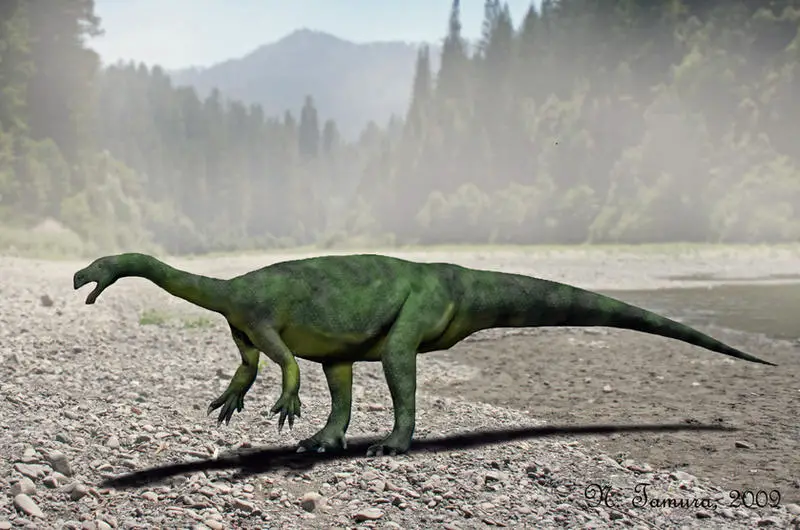
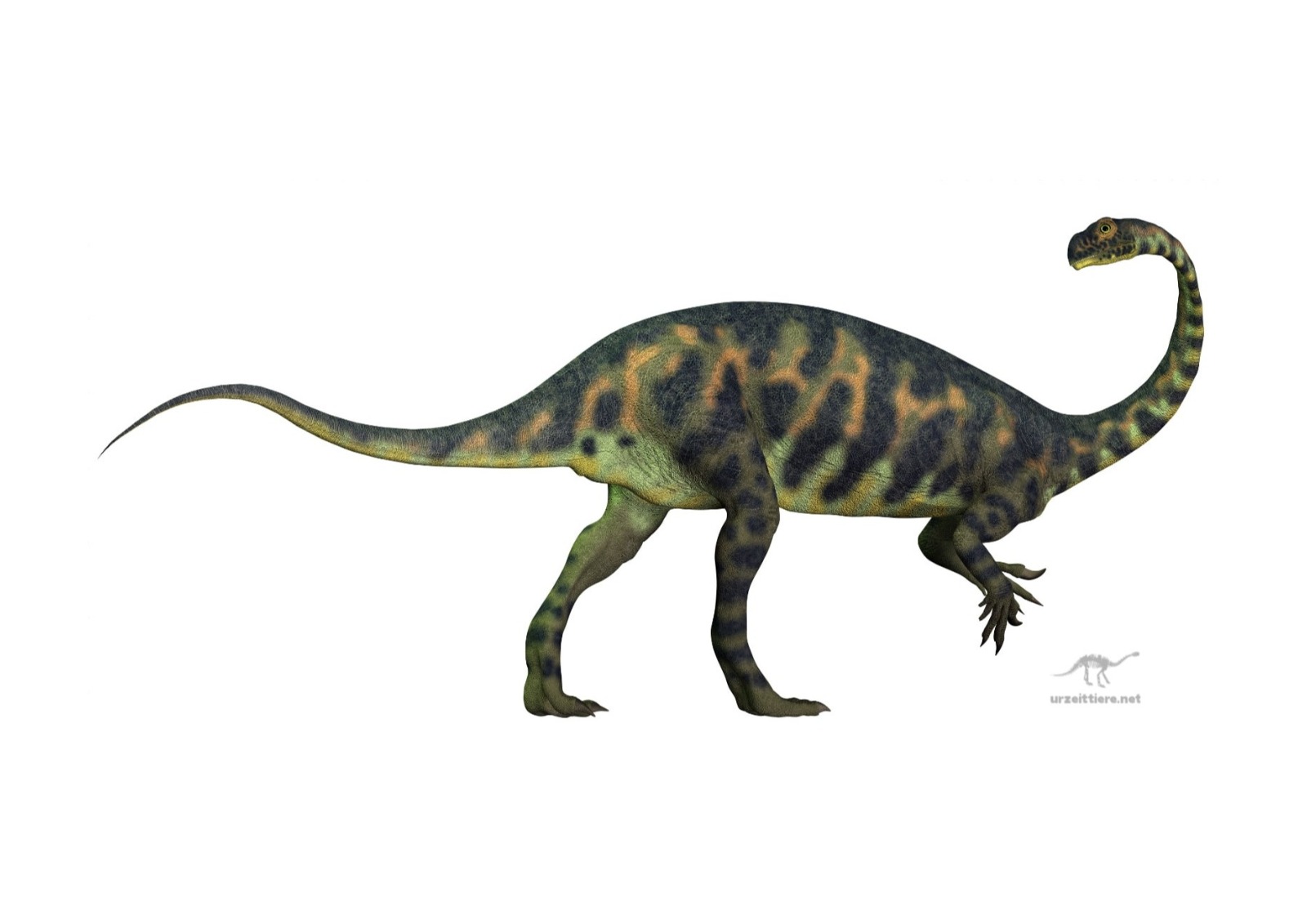
Photo credit: [[File:Elliot Formation Caves in 'Matalane Valley, Leribe, Lesotho - panoramio.jpg|Elliot Formation Caves in 'Matalane Valley, Leribe, Lesotho - panoramio]]