Therizinosaurus
Therizinosaurus cheloniformis
Therizinosaurus is a unique species of dinosaur that offers a fascinating evolutionary twist.
Although related to carnivorous theropods such as T. rex, Therizinosaurus evolved into a herbivore. It is known for having the longest claws of any known animal.
The first remains of this dinosaur were discovered in Mongolia's Gobi Desert and initially puzzled scientists. As more fossils were found, they showed an unusual combination of features that were not typical of previously known dinosaurs.
This raises questions about the evolutionary paths that led this group of theropods to evolve into herbivores and why they developed such large claws.
Discovery and early interpretations
The story of Therizinosaurus begins in Mongolia's Gobi Desert, where Soviet paleontologists first discovered large, unusual claws during expeditions in the 1940s.
Initially, scientists misidentified these remains as the remains of a giant sea turtle, leading to the species being named “cheloniformis,” meaning “turtle-shaped.”
However, further studies revealed that Therizinosaurus was actually a theropod dinosaur.
Recent research suggests that theropods such as Therizinosaurus may in a squatting position hunted or each other hidden, which provides insights into their movements and mobility.
Scientific understanding of Therizinosaurus advanced significantly with additional fossil discoveries in the 1950s and 1960s, confirming that it was a distinct theropod dinosaur with some of the longest claws known in the animal kingdom.
First discoveries in Mongolia: The first finds of Therizinosaurus fossils
In 1948, scientists discovered the first Therizinosaurus fossils in Mongolia's Gobi Desert, more specifically in the Nemegt Formation. This discovery was crucial to understanding this unusual theropod dinosaur, although its significance was not immediately recognized by the paleontological community.
The Nemegt Formation is known for its Late Cretaceous deposits, which provide an excellent environment for fossil preservation. This formation, with its distinct layers of sedimentary rock, is now valued by paleontologists for the quality of fossil preservation.
The first discovery of Therizinosaurus fossils marked the beginning of a series of important discoveries that helped scientists piece together the features of this unique species of dinosaur. The dry conditions and geological features of the Gobi Desert were crucial to the preservation of these fossils for millions of years and allowed modern researchers to study them in detail.
The discovery in 1948 was fundamental for later expeditions and research in the region.
The “turtle” with the huge claws: early misinterpretations and the origin of the species name cheloniformis
After the first discoveries in Mongolia, paleontologist Yevgeny Alexandrovich Malyaev misidentified the remains of Therizinosaurus. While examining the fossils, he came across large claws, which are now considered one of the species' most distinctive features.
However, due to their proximity to rib fragments, Maleev initially misidentified these claws as ribs of a tortoise-like reptile. This error had a significant impact on the scientific naming of the species. The name "cheloniformis" was based on this early misinterpretation, which translates to "turtle-shaped" and reflects Maleev's original assumption that the fossils belonged to a turtle-like animal.
Although it is now known that Therizinosaurus was a theropod dinosaur and not a turtle-like creature, this name has persisted to this day. This example shows how initial interpretations of fossils can lead to misunderstandings that become entrenched in scientific nomenclature, even as understanding of the organism has evolved.
From Turtle to Theropod: The Shift in Scientific Understanding and Classification of Therizinosaurus
In the 1970s, scientific understanding of Therizinosaurus underwent a significant shift away from Maleev's original interpretation as a turtle-like creature.
The crucial development occurred in 1970 when Anatoly K. Rozhdestvensky proposed classifying Therizinosaurus as a theropod dinosaur instead of a chelone. Rozhdestvensky reached this conclusion by conducting detailed comparative analyzes of the claws of Therizinosaurus and another theropod, Chilantaisaurus, and found remarkable similarities in their morphology.
The reclassification was further supported in 1976 when Rinchen Barsbold conducted a comprehensive study of the arm skeleton of Therizinosaurus, focusing specifically on the specimen MPC-D 100/15.
Barsbold's analysis provided additional evidence for Rozhdestvensky's hypothesis regarding the theropod nature of Therizinosaurus. This systematic reassessment of the fossil material was a crucial development in paleontology, correctly classifying Therizinosaurus as a theropod dinosaur within current taxonomic frameworks.
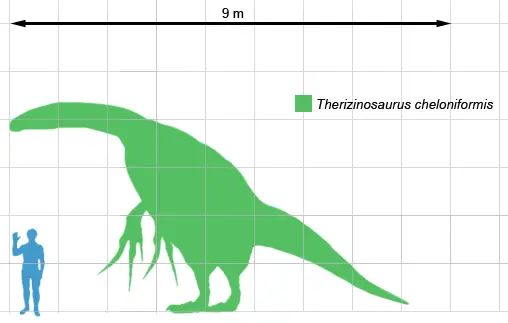
| length | 9 meters |
| Weight | 4.5 tons |
| locomotion | Two-legged |
| food | herbivores |
Anatomy and appearance
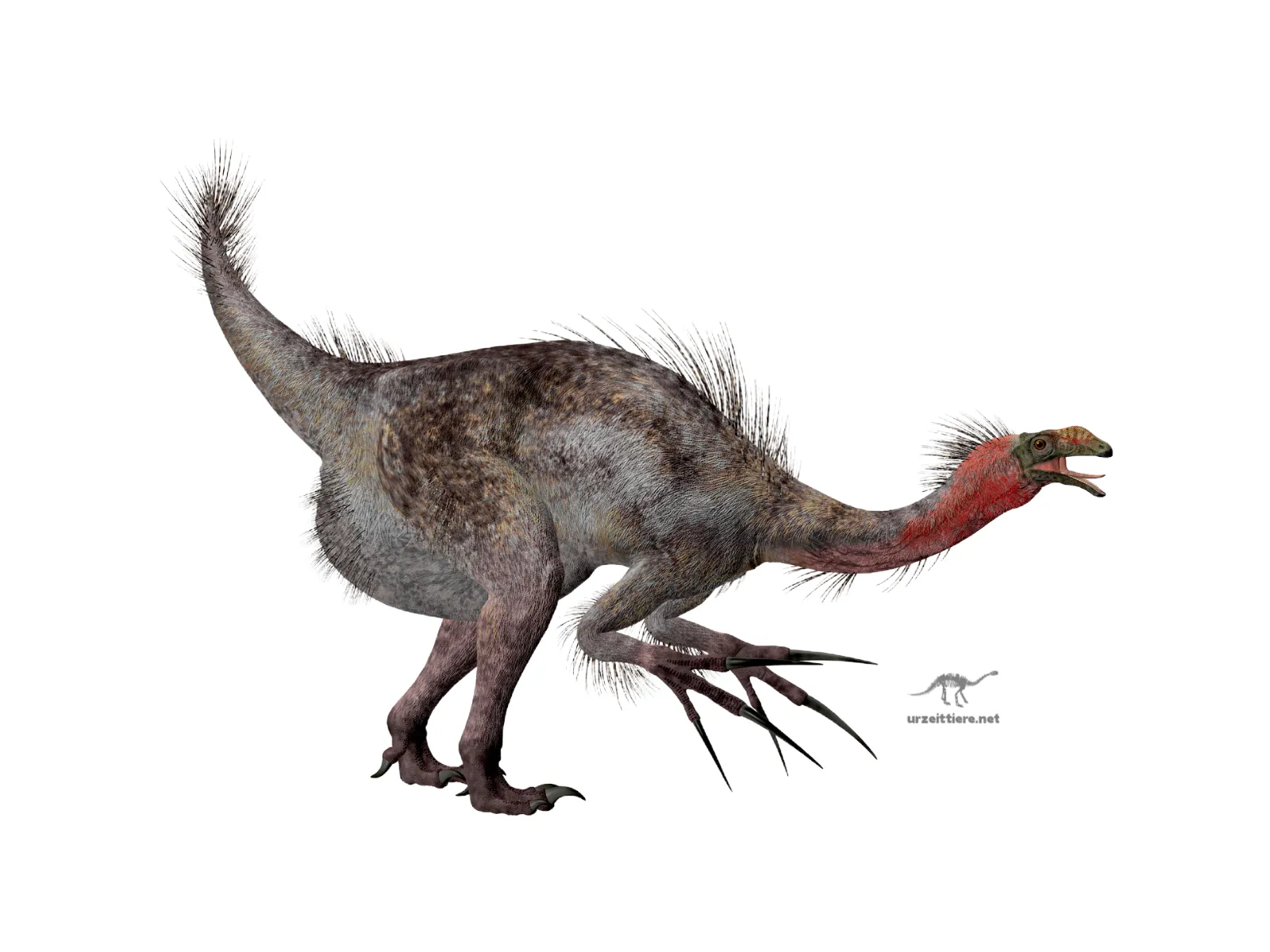
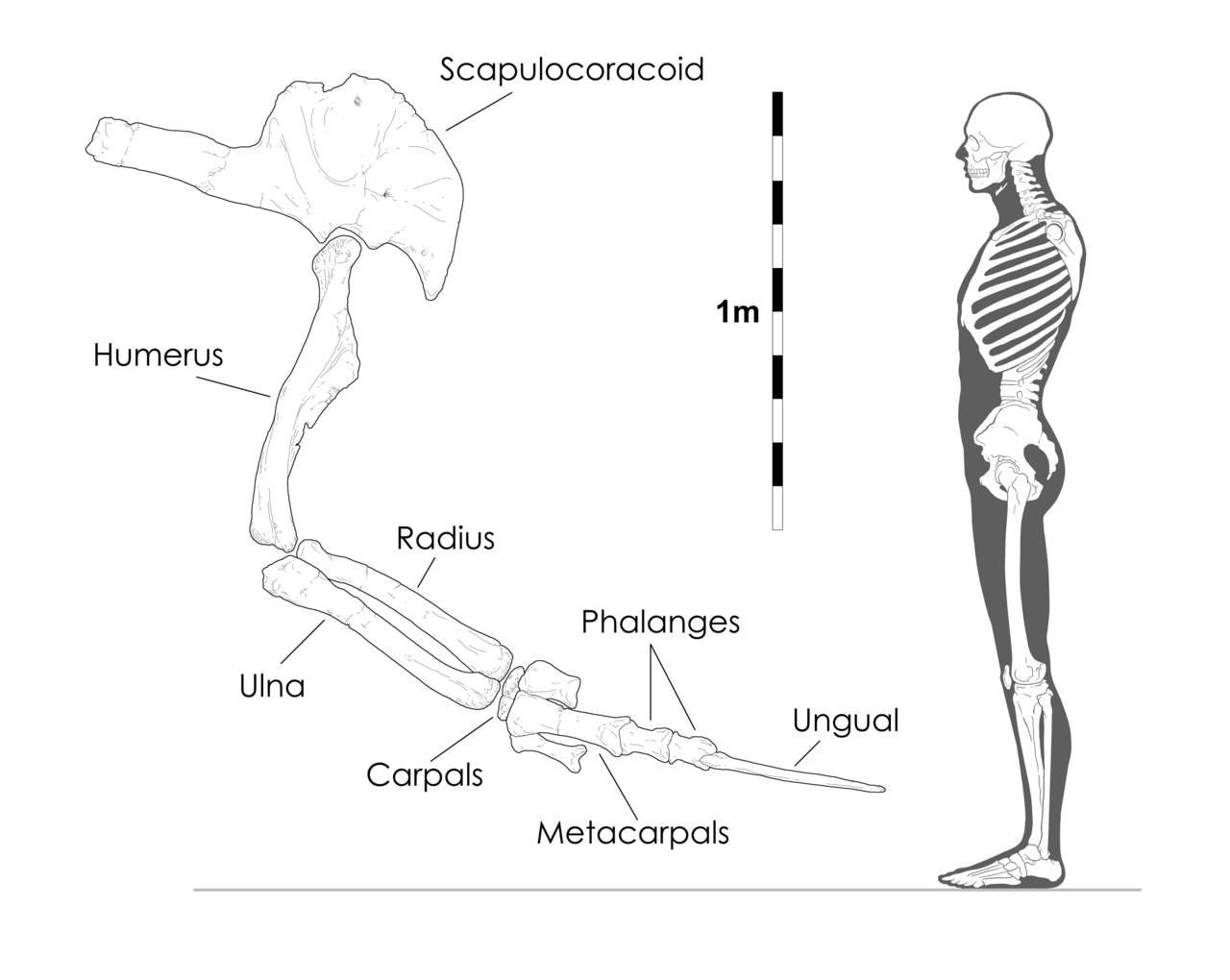
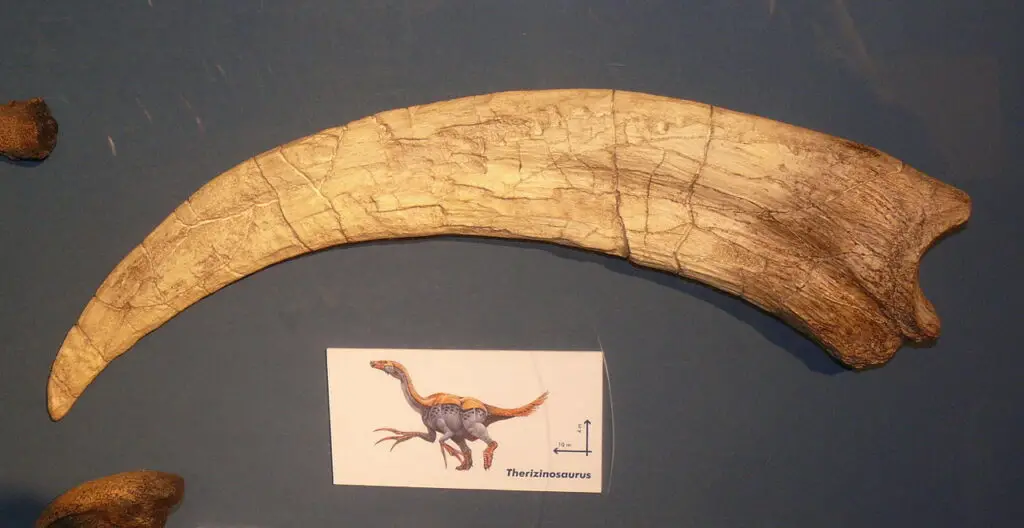
Therizinosaurus had a distinctive anatomy characterized by its huge claws that could reach up to a meter in length. This dinosaur was estimated to have been up to 12 meters long, making it one of the largest known theropods.
Unlike Caudipteryx, which is smaller and known for its feather-like structures, Therizinosaurus is characterized by its large claws and the limited nature of its fossil remains.
Due to incomplete fossil evidence, it is difficult for paleontologists to fully understand the appearance of Therizinosaurus. Researchers continue to work to reconstruct its body proportions, posture, and possible integument by examining its own fossils and comparing them with those of better-documented therizinosaur species.
Size and Weight: The estimated dimensions of Therizinosaurus
Therizinosaurus was a large dinosaur that was about 9 meters long and weighed about 4 tons.
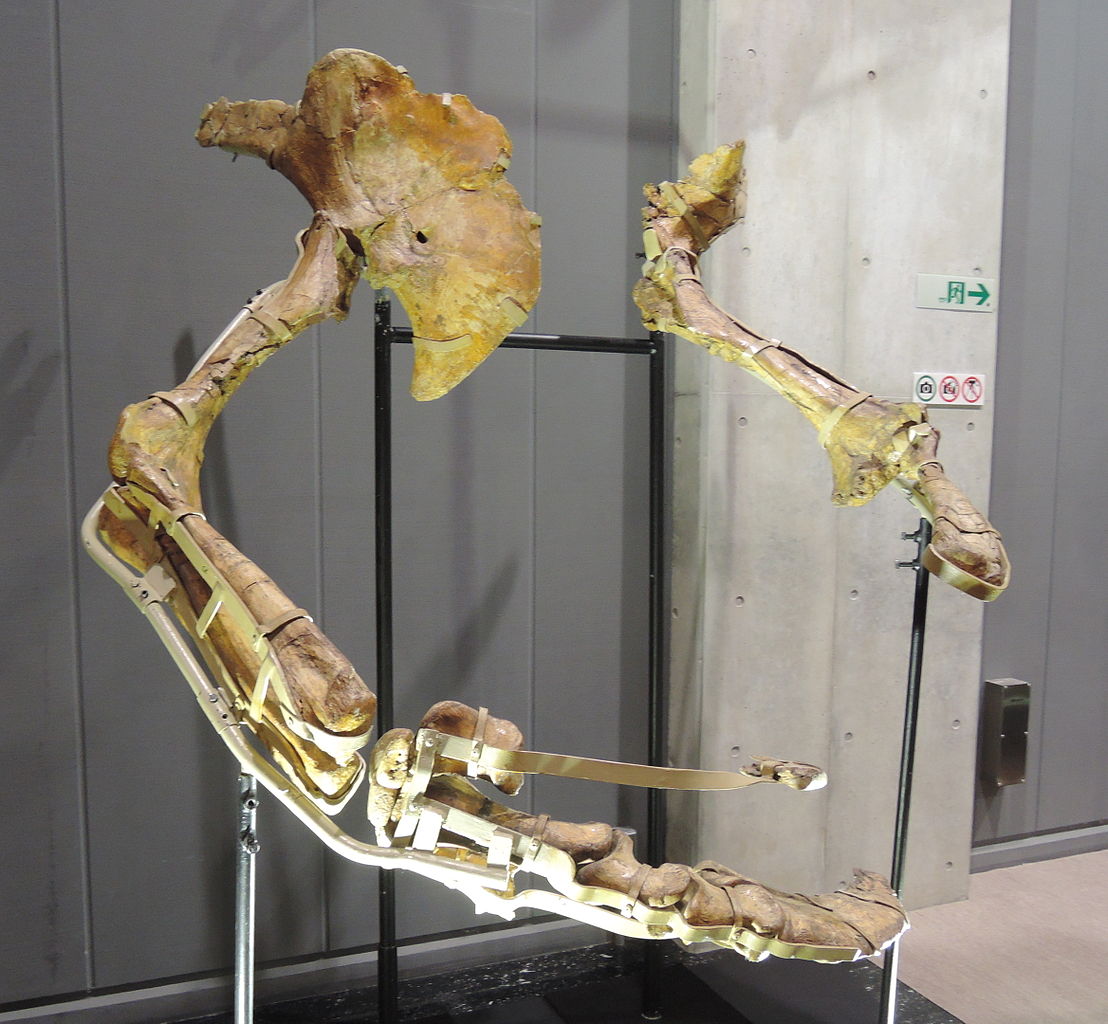
It is characterized by its exceptionally long front legs, which were about 2.5 meters long. These had among the longest arms relative to body size of any known theropod dinosaur.
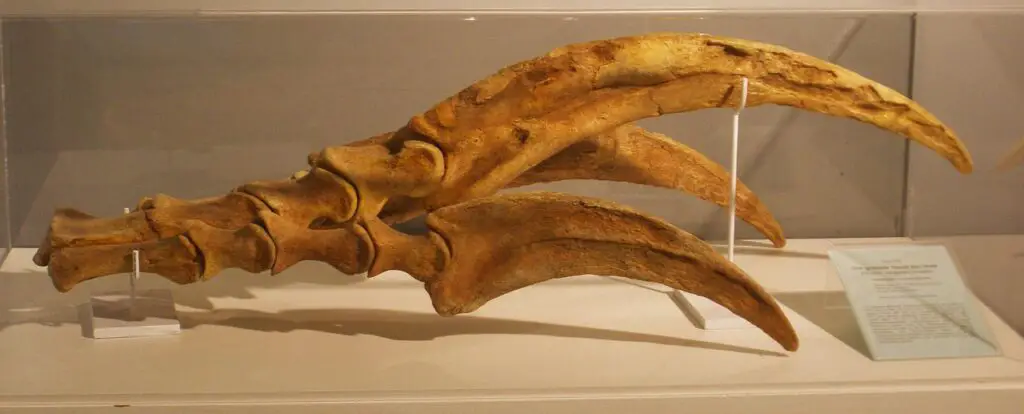
A special feature of Therizinosaurus was its claws. Although incomplete fossil records make accurate measurements difficult, it is estimated that these claws were nearly 1 meter long.
The combination of large body weight, elongated forelimbs, and massive claws suggests that Therizinosaurus had considerable strength and reach, distinguishing it from other large theropods of its time.
Unusual Features: Distinguishing features of Therizinosaurus compared to other theropods
Therizinosaurus had several unusual anatomical features that distinguished it from typical theropod dinosaurs. It had four weight-bearing toes on its hind feet, as opposed to the three toes found in most other theropod species. The first toe was uniquely adapted and functioned as a specialized claw, representing an unusual evolutionary development among theropods.
Additionally, Therizinosaurus' pelvis was noticeably wide, suggesting a large torso that accommodated substantial internal organs. This pelvic structure likely influenced his posture and movement.
Compared to typical theropods, these features suggest that Therizinosaurus had evolved to occupy a different ecological niche, perhaps with specialized behaviors and lifestyle requirements that differed from those of its carnivorous relatives.
The giant claws: A detailed look at the structure and morphology of the claws
The Therizinosaurus' claws, which were located on its three-fingered hands, exhibited significant differences in their skeletal structure. The metacarpals of each toe, the long bones that connect the wrist to the fingers, had different features that supported the claws. The first metacarpal was noticeably short and robust, providing a solid base for the claw.
The second metacarpal was the largest and strongest of the three and enabled powerful movements of the associated claw. In contrast, the third metacarpal was characterized by a thinner shaft, which increased structural diversity within the hand.
Together, these metacarpals supported the three large claws, which contributed to Therizinosaurus' uniqueness as a theropod. The arrangement of these specialized metacarpals, each with unique morphological features, suggests a highly adapted hand structure.
Analysis of the complete hand structure shows how these bone features enabled the dinosaur's claws to be used effectively.
Appearance remains a mystery: challenges in reconstructing the complete appearance of Therizinosaurus
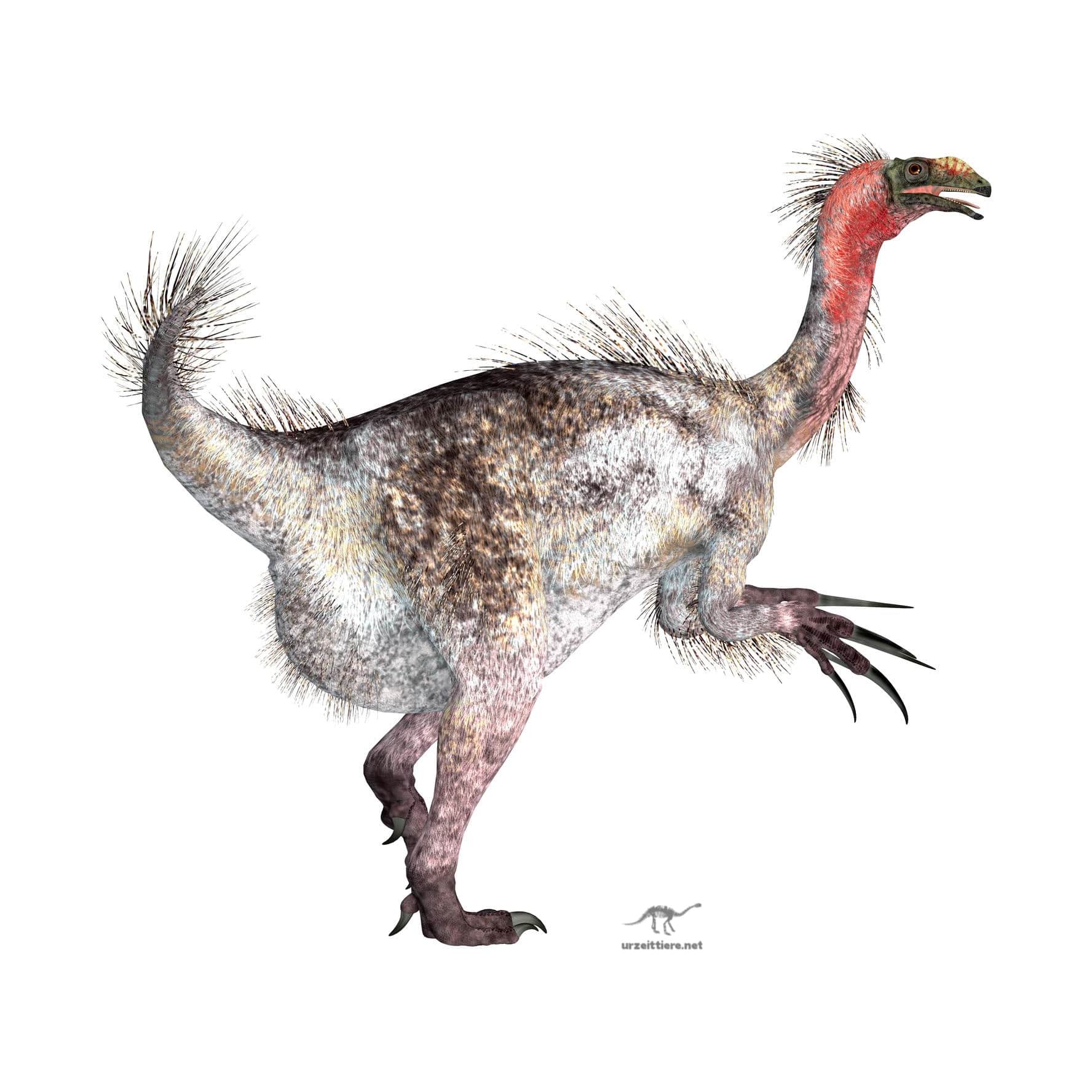
Reconstructing the complete appearance of Therizinosaurus presents a challenge for paleontologists because no skull fossils have been found. Scientists rely on closely related species such as Erlikosaurus and Segnosaurus to determine what Therizinosaurus might have looked like, as these species have more complete fossil records.
Most of the knowledge about the appearance of Therizinosaurus comes from comparison with its relatives in the family Therizinosauridae. The discovery of primordial feathers Beipiaosaurus, a more primitive member of this group, suggests that Therizinosaurus may have had plumage.
This approach shows how paleontologists use evolutionary relationships to make informed predictions about missing anatomical features. Although certain details, particularly regarding head structure, remain unclear, the combination of fossils of related species and the presence of protofeathers in earlier relatives provides a scientifically sound framework for visualizing Therizinosaurus.
The mysterious function of the claws
Therizinosaurus had large claws that were up to a meter long. Originally, paleontologists thought these claws were used for hunting behavior.
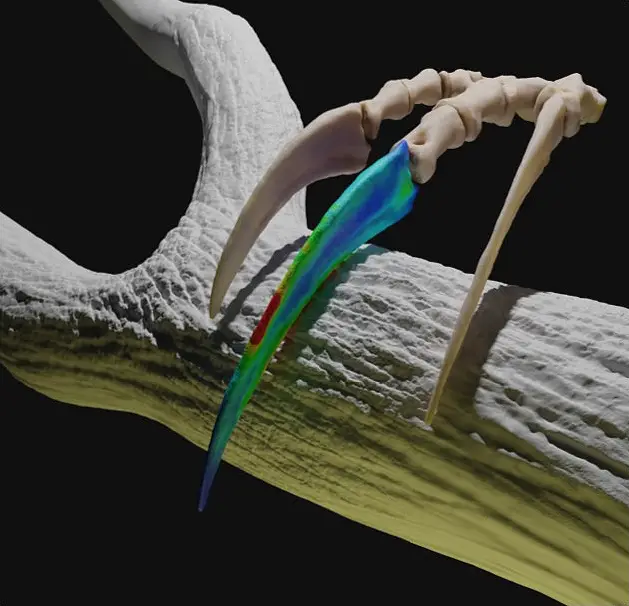
However, biomechanical studies and anatomical comparisons suggest that the claws were primarily adapted for obtaining vegetation. Similar to Caudipteryx, which provides insights into the evolution of birds, Therizinosaurus provides evidence for various dietary adaptations in theropods.
The strength and curvature of the claws would have allowed them to perform various functions, such as pulling down branches, digging for roots, and possibly defending against predators.
Scientific analysis, including stress resistance tests and comparisons with other theropod dinosaurs, suggests that these claws had the right mechanical properties for handling plant material rather than catching prey. This supports the idea that Therizinosaurus was a herbivore, unlike most theropod dinosaurs, which were carnivores.
Herbivores among theropods: Evidence for the plant-based diet of Therizinosaurus
Therizinosaurus was a unique herbivorous theropod that stood out from its carnivorous relatives. Fossil evidence supports its herbivorous lifestyle.
The skull of its close relative Erlikosaurus provides important insights into the feeding behavior of therizinosaurs. The skull of Erlikosaurus has features typical of herbivorous dinosaurs, such as: B. leaf-shaped teeth that are not suitable for tearing meat.
It also has a special beak structure designed to strip plants of their vegetation. These anatomical features suggest that Therizinosaurus, like Erlikosaurus, evolved from the carnivorous diet characteristic of other theropods.
When these cranial adaptations are considered along with other skeletal features, it is clear that these dinosaurs underwent an evolutionary shift toward a plant-based diet. This change is a significant example of evolutionary divergence within the theropod group and shows how these former carnivores adapted to eating plants.
Multifunctional tool? Investigating the potential uses of the claws
Therizinosaurus is known for its large, scythe-like claws, whose function has been the subject of scientific study.
Research suggests that these claws were likely multifunctional, serving multiple functions in the dinosaur's life.
There is evidence that the claws were used for defense and provided protection from predators.
There is also evidence that they were used in interspecies fights, perhaps to establish dominance or territorial boundaries among other theropods.
Additionally, given Therizinosaurus' herbivorous diet, it is suggested that the claws were tools for dealing with vegetation, such as: B. to pull branches to get to leaves and other plant material.
The versatility of these claws highlights the adaptation of Therizinosaurus anatomy to various survival needs in the Cretaceous period.
Biomechanics and Functional Analyzes: Scientific Studies on the Strength and Purpose of Claws
Scientific studies of the claws of Therizinosaurus have provided valuable insights into their mechanical properties and possible functions.
The Researcher Stephan Lautenschlager has conducted detailed morphological and biomechanical analyzes using advanced methods such as shape analysis and finite element analysis to improve our understanding of these structures.
Lautenschlager's research has shown that the large claws of Therizinosaurus showed different responses under different loading conditions, providing important information about their mechanical capabilities.
The results suggest that these elongated, curved claws were more suited to pulling plants than digging. This interpretation is consistent with the morphology of the claws, as their length and curvature appear to be particularly suited to handling plant material.
The biomechanical insights from these studies have led to a clearer understanding of the function of the claws and shifted the scientific perspective from speculation to evidence-based conclusions about their primary role.
Evolution and relatives
The family Therizinosauridae, which includes Therizinosaurus, descended from carnivorous theropod ancestors and gradually evolved into specialized herbivores during the Cretaceous period.
Transitional forms such as Alxasaurus and Beipiaosaurus are crucial to understanding this evolutionary shift because they exhibit the progressive development of therizinosaur features such as their pronounced claws and broadened pelvic bone.
Beipiaosaurus is particularly notable for its feather characteristics, as it had two different types of feathers, which provide insight into the appearance of feathered dinosaurs.
While therizinosaurs share some adaptations with other herbivorous theropods, such as. Common to many mammals, such as ornithomimosaurs, they also developed unique features, including their large hand claws and distinctive tooth morphology, that distinguish them from other herbivorous relatives.
The Therizinosauridae: A Closer Look at the Family
The family Therizinosauridae is characterized by several distinctive features that distinguish it from other theropod dinosaurs. These dinosaurs had an elongated neck that made it easier to access higher vegetation and wide pelvic structures that supported their unique body shape.
Their hind legs had four toes, a feature that distinguishes them from many other theropod groups.
A striking feature of the Therizinosauridae are the large claws on the forelimbs, which are primarily seen in the genus Therizinosaurus.
In addition to Therizinosaurus, this family includes several well-documented genera such as Segnosaurus, Erlikosaurus, Nothronychus and Alxasaurus.
These genera provide insights into the diversity and adaptability of the family. Studying these genera together shows how they form a cohesive group within the theropod lineage and highlights specialized adaptations that distinguish them from their typically carnivorous relatives.
From carnivores to herbivores: Tracing evolutionary change within therizinosaurids
Therizinosaurids underwent a significant dietary shift from carnivorous ancestors to herbivorous specialists. This evolutionary transition is reflected in several anatomical adaptations.
An important change was the modification of their tooth structure; they developed smaller teeth that were better suited to processing plant material than tearing flesh.
The development of beaks in therizinosaurids was another important adaptation that improved their ability to collect and process plants.
Additionally, their skeletal structure features wider pelvises that likely housed larger digestive systems necessary for breaking down plant material. This increased digestive capacity would have been crucial for extracting nutrients from fibrous plant materials, a common requirement in herbivorous animals.
These changes occurred as part of a coordinated series of adaptations that allowed these theropods to specialize as herbivores.
Important transitional forms: The role of Alxasaurus and Beipiaosaurus in understanding therizinosaur evolution
The study of Alxasaurus and Beipiaosaurus is crucial to understanding the evolution of therizinosaurids from carnivorous to herbivorous dinosaurs. These two genera are important transitional forms that connect earlier theropod dinosaurs with more specialized later therizinosaurids. They exhibit a combination of both primitive and advanced features, which helps scientists understand their evolutionary development.
Alxasaurus and Beipiaosaurus share anatomical features of both their carnivorous ancestors and their herbivorous descendants. This makes them valuable to paleontologists studying therizinosaur evolution.
Their skeletal structures demonstrate the gradual adaptations that occurred as these dinosaurs transitioned to a plant-based diet, while retaining some characteristics of their carnivorous predecessors.
These transitional forms provide important evidence of the evolutionary changes within the therizinosaur family and help scientists reconstruct the sequence of anatomical developments that led to the unique features observed in later members of the group.
Comparison with other herbivorous theropods: similarities and differences with other herbivorous theropod groups
The evolution of herbivorous behaviors in theropod dinosaurs is an interesting example of independent evolution. Fossil records show that several theropod lineages transitioned from a primarily carnivorous diet to a herbivorous diet. The Therizinosaurus group is a notable example of this shift.
Similar adaptations to plant nutrition can be seen in the Ornithomimosauria and Oviraptorosauria groups, which developed specialized traits for processing plant material.
There is an ongoing scientific debate about whether these dietary adaptations result from a common ancestral trait or whether they are cases of convergent evolution in which similar environmental pressures led to similar adaptations.
Although these groups share some characteristics related to plant-based diets, each of them has evolved different anatomical features to support their plant-based diet. This lack of consensus highlights the complexity of theropod evolution and shows that different lineages can evolve similar ecological roles through potentially different evolutionary processes.
The pattern of multiple theropod groups independently evolving herbivorous traits provides valuable insights into the adaptability and diversity of theropod dinosaurs.
Habitat and ecosystem
Therizinosaurus fossils have been found in the Nemegt Formation in Mongolia, which was characterized by river valleys and floodplains during the Late Cretaceous.
This environment provided habitat for a variety of plants and animals. The ecosystem included a number of dinosaurs such as the carnivorous ones Tarbosaurus, the herbivorous Saurolophus and other herbivorous species that coexisted with Therizinosaurus.
The fossil deposits in the Nemegt Formation, which are similar to those in the Hell Creek Formation, provide valuable information about ancient ecosystems and species relationships.
In this ecosystem, Therizinosaurus likely played a unique role as a specialized herbivore, using its large claws to reach and collect plants, perhaps using them as a defense mechanism against predators.
The Nemegt Formation in Mongolia: A description of the environment in which Therizinosaurus lived
The Nemegt Formation in Mongolia was the habitat of Therizinosaurus during the Late Cretaceous period, about 70 million years ago. This geological formation is of great scientific interest due to its diverse collection of dinosaur fossils, providing important insights into the ecosystem dynamics of this period.
The well-preserved fossils of the Nemegt Formation indicate a thriving ecosystem in which Therizinosaurus lived alongside many other dinosaur species.
The sedimentary deposits and fossil content suggest an environment that supported a complex food web and diverse biological interactions. Unlike many other formations from this period, the Nemegt Formation is notable for its exceptional preservation and abundance of dinosaur remains.
This formation provides valuable information about prehistoric life and interactions of species, including Therizinosaurus, in its environment around 70 million years ago.
Diverse fauna: The diversity of dinosaurs in the Nemegt Formation
The Nemegt Formation is known for its rich fossil record, which includes a variety of different dinosaur species that coexisted. Among these stood out Tarbosaurus as an apex predator of the region. Another notable species was Deinocheirus, which is known for its unique anatomical features.
Also lived in this area Saurolophus, a prominent member of the herbivorous hadrosaurids. Further study of the Nemegt Formation reveals the presence of Nemegtosaurus, a sauropod dinosaur that was part of the megaherbivore population.
Besides, he was alive Pachycephalosaurs Homalocephale, which is characterized by its domed skull, in this region. The presence of these different dinosaur species suggests a complex ecosystem that was able to support different nutritional needs and ecological roles.
This diversity suggests that the Nemegt Formation provided sufficient resources and habitat to support a variety of prehistoric life forms, from large herbivores to specialized predators.
Ecological Interactions: The Role of Therizinosaurus in the Ecosystem
In the Nemegt Formation ecosystem, Therizinosaurus lived in a riparian forest and shared its habitat with other large herbivores such as Saurolophus, a hadrosaur, and Nemegtosaurus, a titanosaur.
This is how a community of herbivorous megafauna arose.
In addition to being a herbivore, Therizinosaurus was also at risk of being hunted by Tarbosaurus, the region's apex predator.
The riverine forest provided abundant vegetation for the Therizinosaurus, but also posed a challenge due to the presence of predators.
This ecosystem included interactions between predators and prey as well as competition among herbivores for resources.
These ecological relationships show that Therizinosaurus was part of a complex ecosystem in which species influenced each other's behavior and survival.
Open questions and future research
Many aspects of Therizinosaurus remain unclear, including its complete skeletal anatomy, precise feeding behavior, and social structures.
Fossil evidence suggests that climate changes may have influenced the evolution of Therizinosaurus, affecting its adaptations and survival strategies.
Recent studies of theropod behavior suggest that crouching may have been a tactic used when hunting or escaping, which may also apply to Therizinosaurus.
Modern technological advances such as CT scanning, biomechanical modeling, and improved fossil recovery techniques have the potential to significantly improve our understanding of this theropod through future discoveries.
Further study of Therizinosaurus is important to paleontologists because its unique adaptations and evolutionary position among theropod dinosaurs provide valuable insights into the diversity and evolution of dinosaur species during the Late Cretaceous.
Gaps in knowledge: What is still unknown about Therizinosaurus
Several key aspects of Therizinosaurus are subject to uncertainty, and there are significant gaps in our scientific understanding. One of the key missing pieces of the puzzle is the complete absence of skull fossils, which has prevented paleontologists from accurately reconstructing this dinosaur's head structure or determining its dietary habits.
Without skull remains, it is impossible to analyze tooth morphology or jaw mechanics, so there is considerable speculation as to whether Therizinosaurus was primarily herbivorous, omnivorous, or had some other feeding strategy.
Additionally, while Therizinosaurus' massive claws are a distinctive feature, their exact function remains a matter of scientific debate.
Without a complete understanding of how these enormous claws were integrated into the animal's overall anatomy and behavior, it is difficult to determine whether they were used primarily for defense, feeding, intraspecific competition, or a combination of purposes.
These significant gaps in our knowledge continue to be the focus of paleontological research as scientists search for new fossil evidence to clarify these long-standing uncertainties about one of the most enigmatic theropod dinosaurs.
New fossils and research technologies: potential for future discoveries and advances in research
Modern paleontological research is making significant progress in uncovering more information about Therizinosaurus, both through the discovery of new fossils and the use of advanced technologies. Finding additional fossils, particularly a complete skull, would be extremely helpful in answering many unsolved questions about this dinosaur's anatomy and lifestyle.
Modern technologies such as computed tomography (CT) are changing the way researchers analyze current and future Therizinosaurus specimens. These imaging techniques enable the observation of internal bone structures that were previously inaccessible and provide important insights into the biology and evolution of the creature.
CT scans can examine bone density, growth patterns and internal chambers without damaging the fossils. As new sites are explored and more fossils are found, these technological capabilities are critical to a more complete understanding of Therizinosaurus.
The combination of discovering new fossils and using sophisticated analytical tools is the most promising approach to answering the remaining questions about this unique theropod dinosaur.
Importance for Paleontology: The Importance of Therizinosaurus for Understanding Dinosaur Evolution
Therizinosaurus is a significant topic in paleontology because it illustrates dinosaur evolution, particularly within the theropod group. This dinosaur provides evidence of theropod evolutionary flexibility, particularly its switch from a carnivorous to a herbivorous diet, which is unusual among its predominantly carnivorous relatives.
Therizinosaurus' adaptations provide direct insight into how some theropod dinosaurs were able to evolve to eat plants instead of meat.
Beyond its dietary change, Therizinosaurus is important for understanding Cretaceous biodiversity. He shows how evolutionary pressures could lead to highly specialized traits within the theropod lineage.
The unique anatomical features of Therizinosaurus highlight the adaptability of theropod dinosaurs and their ability to assume diverse ecological roles through evolutionary change.
Summary and outlook
Therizinosaurus is a theropod dinosaur known for its distinctive features such as large claws and a herbivorous diet, reaching an estimated size of up to 12 meters. These features contribute to our understanding of theropod diversity during the Late Cretaceous.
Studies have shown that theropods, including Therizinosaurus, may have exhibited crouching behavior similar to modern birds, which may have been advantageous when hunting or avoiding predators. This information expands our knowledge of their locomotion and mobility.
Although the incomplete nature of the fossil remains limits our complete understanding of Therizinosaurus, ongoing research in the Nemegt Formation in Mongolia is providing new information about its anatomy, behavior, and evolutionary relationships.
Future discoveries and advanced analytical methods are expected to answer previously unanswered questions about the appearance, lifestyle and ecological role of Therizinosaurus in its ancient environment.
A brief overview of the most important information about Therizinosaurus
Therizinosaurus is one of the most fascinating dinosaurs because of its unusual features: large claws, a herbivorous diet, and a body structure that challenges traditional views of theropod evolution.
Unlike most theropods, which were typically carnivorous, Therizinosaurus was a specialized herbivore, highlighting nature's adaptability.
The primary function of its massive claws remains a subject of scientific debate, with no consensus having yet been reached. These claws may have served multiple purposes, but their exact function is still uncertain.
Therizinosaurus is an important example of how evolution can lead to unexpected combinations of traits by mixing theropod ancestry with herbivorous traits.
This makes Therizinosaurus a crucial subject for studying the diversity and adaptability of theropod dinosaurs.
Further discoveries: The possibility of learning more about the Therizinosaurus in the future
The ongoing search for additional Therizinosaurus fossils presents significant opportunities for paleontologists. The current specimens have provided valuable information about this theropod dinosaur, but there are still important gaps, particularly regarding its skull anatomy and complete skeletal structure.
Future fossil discoveries, particularly those containing a well-preserved skull, could greatly improve our understanding of Therizinosaurus. Such findings will help resolve confusion about its dietary habits, sensory abilities and overall appearance.
A skull specimen would be particularly informative because it could provide clear insights into the dinosaur's feeding habits, brain structure, and evolutionary relationships with other theropods. Scientists believe new discoveries in Late Cretaceous formations in Mongolia, where Therizinosaurus remains have already been found, may provide these important missing parts.
Although current reconstructions are based on related therizinosaur species, future fossil discoveries could provide paleontologists with more accurate depictions of this dinosaur's appearance and behavior. This could potentially challenge or confirm existing theories about its lifestyle and ecological role.
Conclusion
Therizinosaurus is a remarkable theropod dinosaur known for its distinctive three-foot-long claws. Although it is a theropod that normally eats meat, Therizinosaurus was a herbivore, which provides interesting insights into the diversity of dinosaur diets and their evolution. Although many aspects of its behavior and ecology remain unknown, ongoing research is gradually uncovering more information about its role in the Late Cretaceous ecosystems of ancient Mongolia.
Systematics
| Dinosauria |
| Saurischia |
| Eusaurischia |
| Theropoda |
| Neotheropoda |
| Averostra |
| Tetanurae |
| Orionides |
| Avetheropoda |
| Coelurosauria |
| Tyrannoraptora |
| Maniraptoriformes |
| Maniraptora |
| Therizinosauria |
| Therizinosauroidea |
| Therizinosauridae |
Occurrence in time
| chalk |
| Upper Cretaceous |
| early Maastrichtian |
Happen
| Area | Asia |
| country | Mongolia |
| region | Ömnö Gobi |
| formation | Nemegt |
Image sources:
Size comparison to humans: Original: Jaime HeaddenDerivative work: Matt Martyniuk, CC BY-SA 4.0, via Wikimedia Commons
Arms with claws of Therizinosaurus_ Yuya Tamai from Gifu, Japan, CC BY 2.0, via Wikimedia Commons
Claw of Therizinosaurus: Ghedoghedo, CC BY-SA 3.0, via Wikimedia Commons
Metacarpals of Therizinosaurus: PaleoNeolitic, CC BY 4.0, via Wikimedia Commons
Therizinosaurus manus & claws were tested in a hook-and-pull scenario.: Zichuan Qin, Chun-Chi Liao, Michael J. Benton & Emily J. Rayfield, CC BY 4.0, via Wikimedia Commons