Saurornithoides
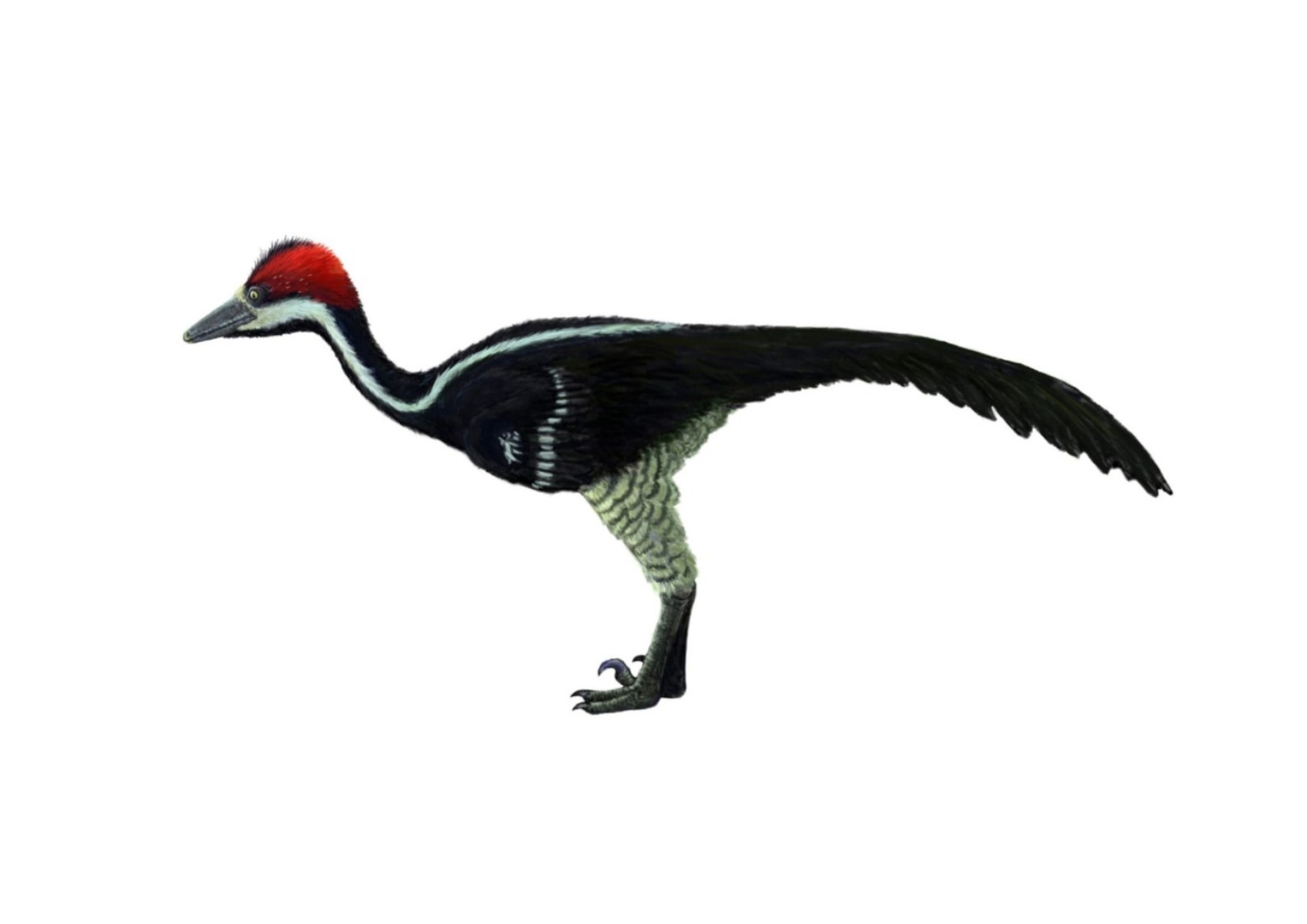
Saurornithoides mongoliensis, the “bird-like lizard”
Description
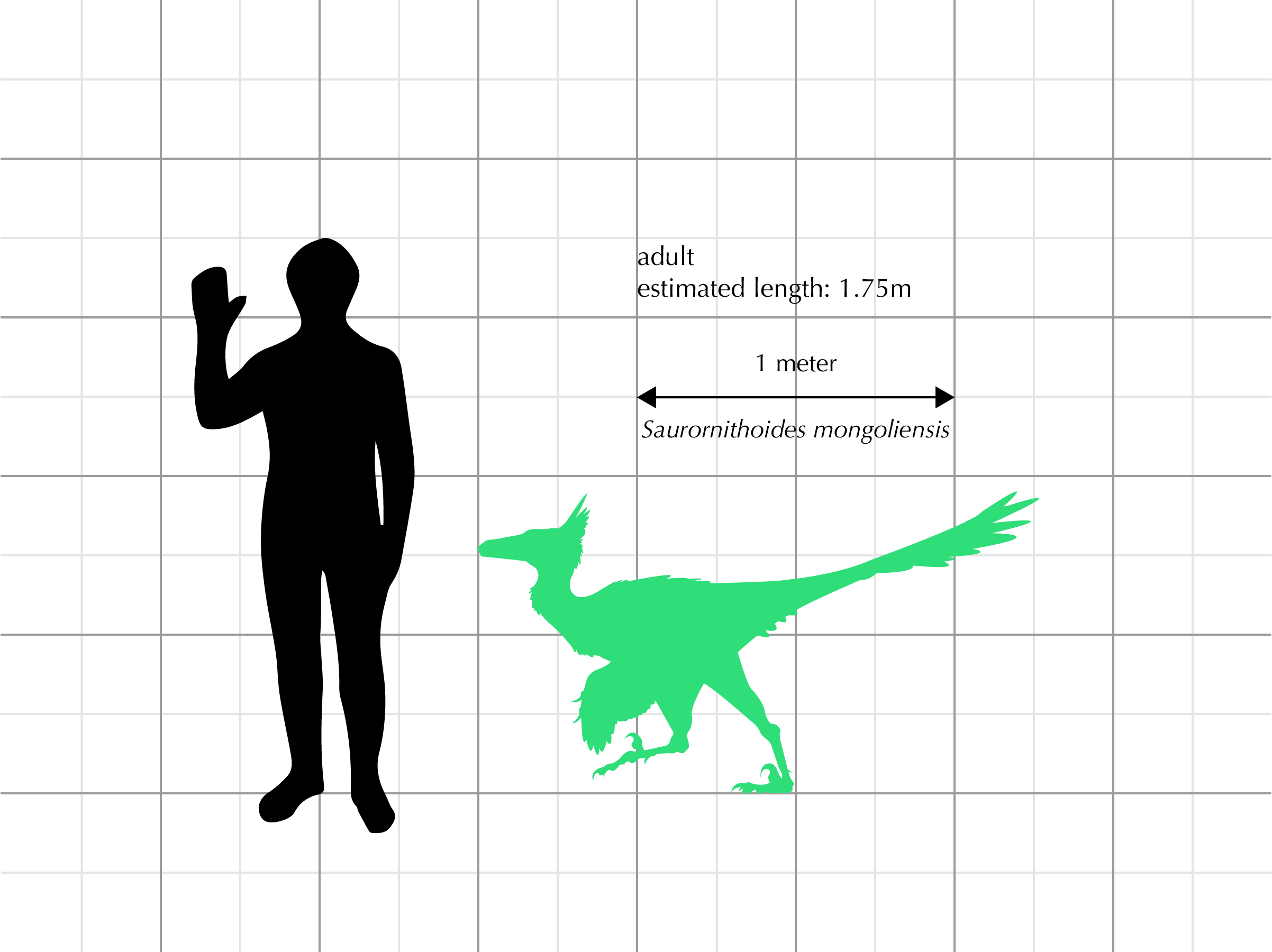
Saurornithoides was a dinosaur that was approximately 2 to 3.5 m long and weighed approximately 35 to 45 kg. Fossils of this dinosaur have been found in Mongolia and Tajikistan. Its name means something like “bird-like lizard”. He lived during the Upper Cretaceous from around 80.6 to 72 million years ago.
Saurornithoides was a long-legged predator that could run quickly on its hind legs and had excellent eyesight and hearing.
This small theropod is a member of the group Troodontidae, a group of small bird-like, graceful dinosaurs from the Maniraptora group (= “hand robbers”). Its closest relative was probably the North American genus Troodon.
| Profile | Saurornithoides |
|---|---|
| epoch | Upper Cretaceous 80.6 to 72 million years ago |
| Order | Lizard-pelvis dinosaur (Saurischia) |
| Subordination | Theropoda |
| Family | Troodontidae |
| group | |
| genus | Saurornithoides |
| Art | Saurornithoides mongoliensis (Osborn, 1924) Saurornithoides junior (Barsbold, 1974) |
| Height | 0.8 meters |
| length | 2 to 3.5 meters |
| Weight | 35 to 45 kg |
| Locations | Mongolia, Tajikistan |
Discovery story
The first fossils of Saurornithoides were discovered by Chih, a Chinese employee of the American Museum of National History Expedition, on July 9, 1923. The area in Mongolia where he found the fossils is known as the Djadochta Formation.
What did Saurornithoides eat?
Saurornithoides had a mean skull length of 189 millimeters.
The size of its skull allows us to draw conclusions about its brain development. It had a very large brain in relation to its body size and probably one of the highest encephalization quotients (EQ) of non-birds. It is believed that he had relatively advanced behaviors. In addition, his senses such as hearing and sight were probably very well developed.
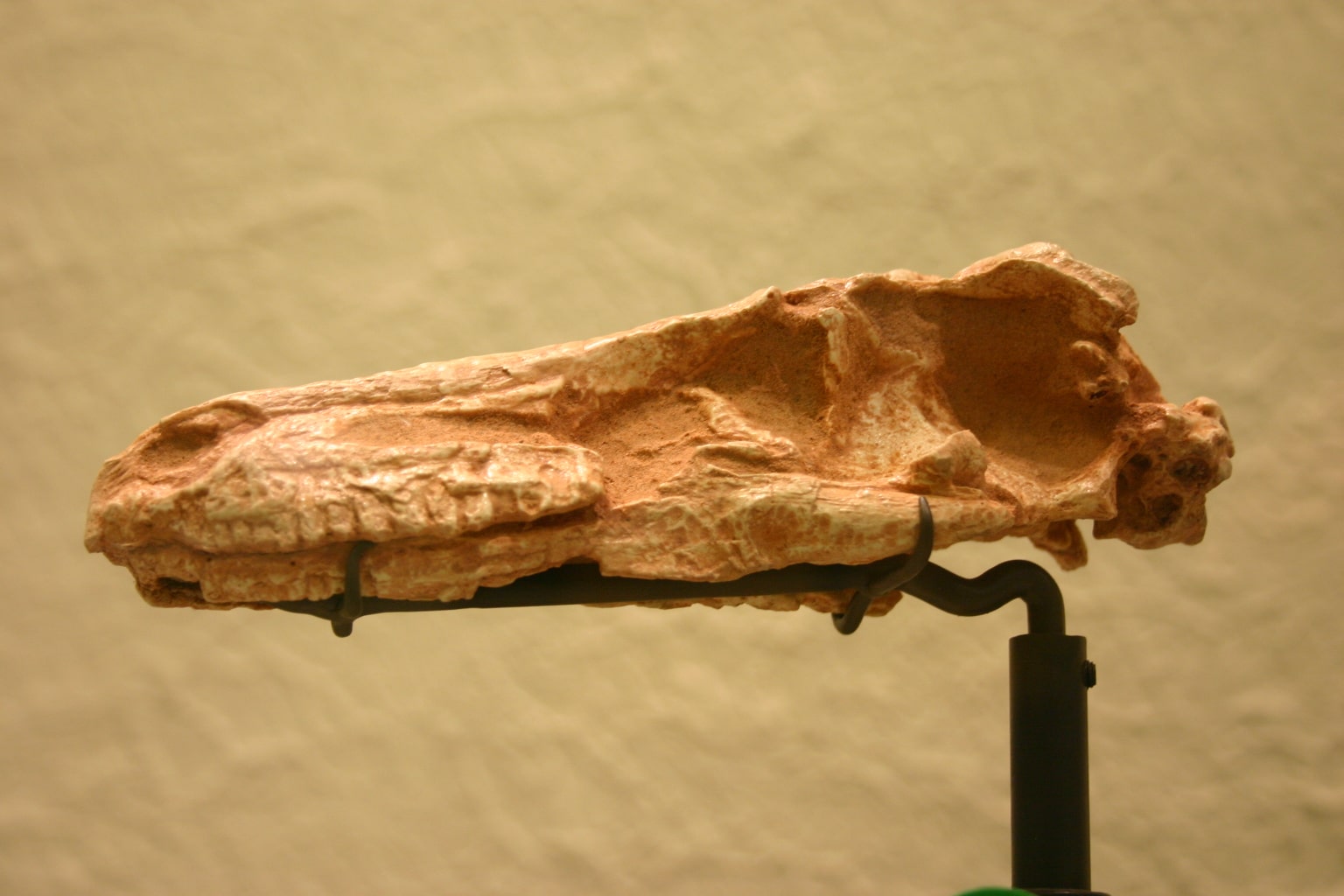
Like all troodontids, Saurornithoides had closely spaced teeth in the lower jaw as well as a large number of sharp teeth.
He had a slim build, had sickle claws and gripping hands.
On its hind legs it had a retractable claw on the second toe of each foot. This claw was oversized and curved, similar to that of Velociraptor.
Its eye sockets were large and their position suggests the ability of stereoscopic vision. This enabled him to have efficient depth perception.
He probably had advantageous vision in light and his night vision was also excellent.
This suggests that Saurornithoides preferred a nocturnal lifestyle.
It probably went out at dusk in search of small mammals and reptiles, its priority prey. Dinosaur nestlings and eggs were also probably on his menu.
Special features
Saurornithoides and other troodontids were highly developed at birth and probably required little to no parental care.
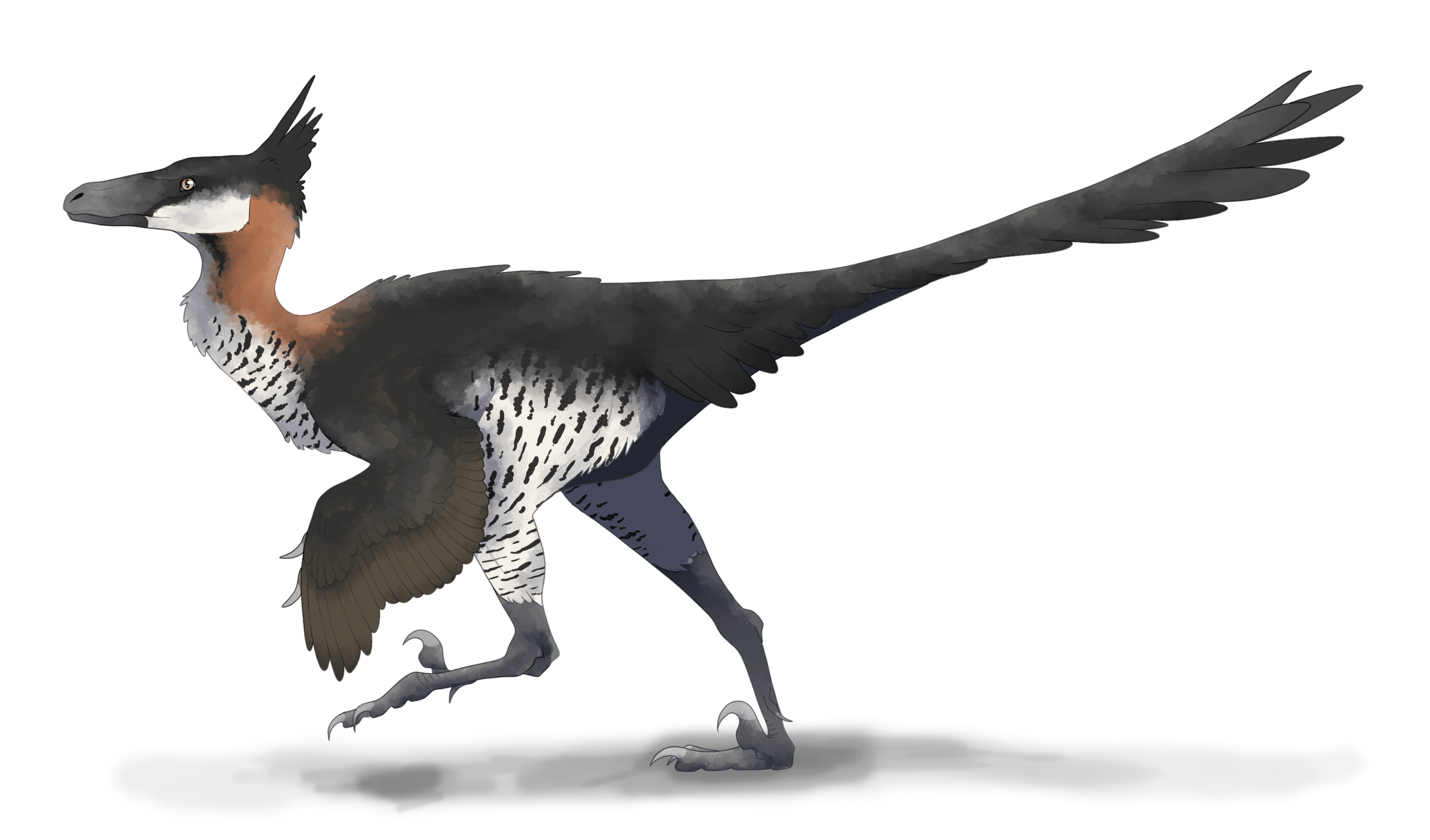
Due to many bird-like features, scientists believe that Saurornithoides was covered in feathers.
Image sources: FunkMonk, CC BY 3.0 https://creativecommons.org/licenses/by/3.0, via Wikimedia Commons
Size comparison: Audrey.m.horn, CC BY-SA 4.0 https://creativecommons.org/licenses/by-sa/4.0, via Wikimedia Commons
Skull: Ryan Somma, CC BY-SA 2.0 https://creativecommons.org/licenses/by-sa/2.0, via Wikimedia Commons
A restoration of Saurornithoides mongoliensis: Audrey.m.horn, CC BY-SA 4.0 https://creativecommons.org/licenses/by-sa/4.0, via Wikimedia Commons