
Miragaia
When you think of stegosaurs, you probably picture the iconic Stegosaurus with its rows of plates and spiked tail. But have you heard of Miragaia, the long-necked oddball from the stegosaur family?
This unique dinosaur challenges our preconceptions about these armored herbivores. With its extraordinary neck of 17 vertebrae, Miragaia stands out from its relatives and even surpasses some sauropods in neck length. But it's not just a strange anatomical feature - this adaptation raises interesting questions about the evolution and diversity of stegosaurs.
Special characteristics of Miragaia longicollum
One of Miragaia's most striking features was its exceptionally long neck. This unique feature distinguished it from other dinosaurs, particularly within its own group, the Stegosauria. Miragaia had at least 17 cervical vertebrae, surpassing even most sauropods in this respect. This is particularly notable considering that sauropods were known for their long necks.
This property is somewhat reminiscent of the long neck and tail from Massospondylus, although it was mainly bipedal.
The length of Miragaia's neck was so significant that it influenced its scientific name. The species name Miragaia longicollum literally translates to “long neck” in Latin and emphasizes this characteristic feature.
If you compare Miragaia with other stegosaurs, the big difference in neck length is noticeable. This adaptation likely gave Miragaia evolutionary advantages, as it may have been able to reach vegetation inaccessible to other stegosaurs.
Scientists discovered this unique dinosaur near the city of Miragaia in Portugal, which dates back to the Upper Jurassic period, about 150 million years ago. The discovery and subsequent scientific description in 2009 have provided valuable insights into the diversity of stegosaur anatomy and evolution.
Size and appearance of Miragia
Despite its long neck, Miragaia was not a giant among dinosaurs. This Stegosaurus reached around 6 to 7.7 meters in length, which is still impressive, but not as massive as some of its contemporaries. Weighing an estimated 3 tons, Miragaia was a formidable creature that roamed the Earth during the Late Jurassic, about 150 million years ago.
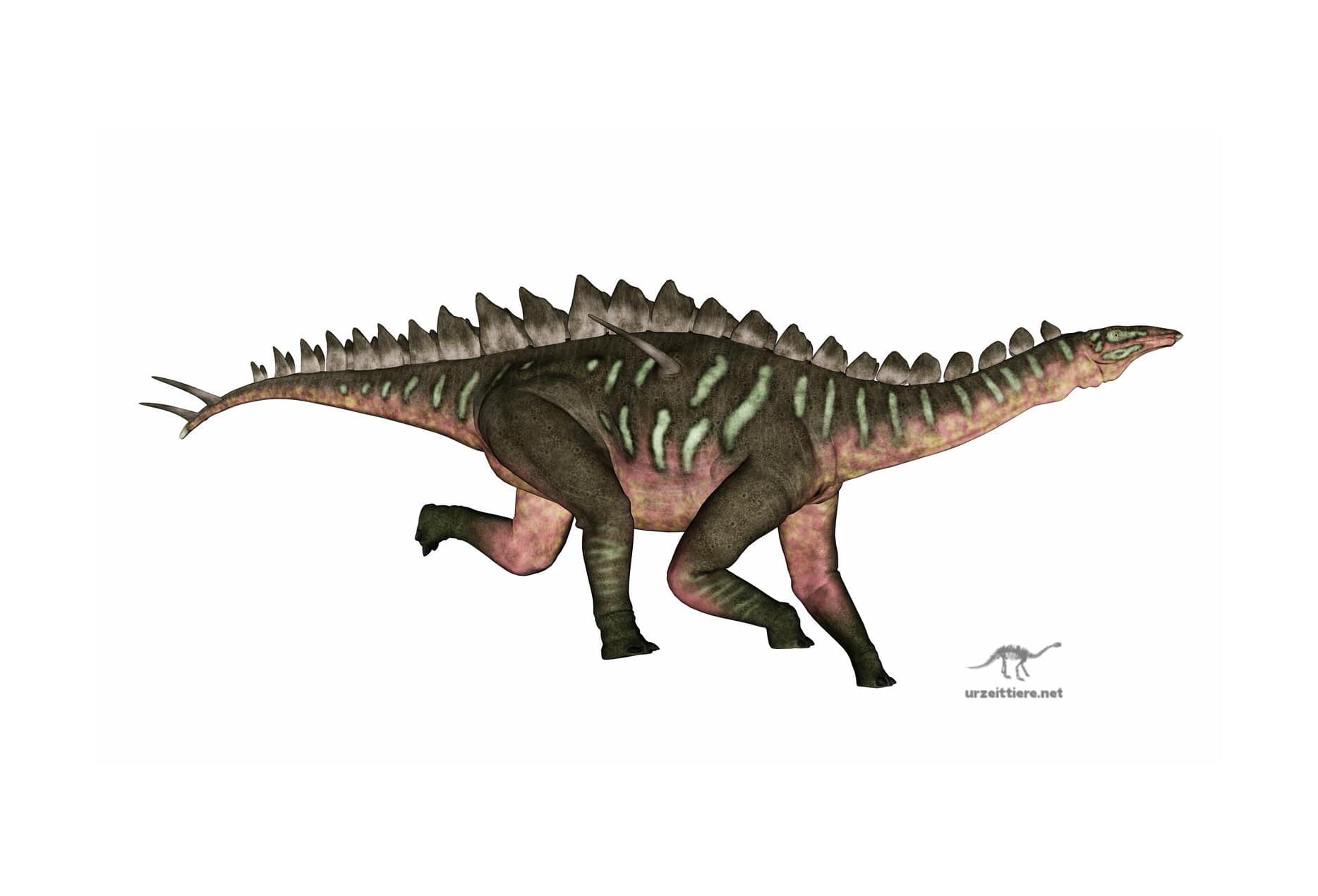
Like its relatives, the stegosaurs, Miragaia bore a series of bony plates along its back. However, these plates distinguished him from his relatives. They were smaller in comparison and had rounded tips instead of the pointed tips seen in other stegosaurs. This unique feature gives Miragaia a distinctive profile among its peers.
When you imagine Miragaia, imagine a medium-sized dinosaur with a long neck and a series of rounded plates running along its back.
These features are what make Miragaia so special in fossil science. The combination of its size and characteristic plate shape provides paleontologists with valuable insights into the diversity of stegosaurs during the Upper Jurassic.
Fossil record of Miragaia longicollum
The discovery of Miragaia's fossil record has provided paleontologists with a wealth of information about this unique Stegosaurus. The holotype specimen discovered near the town of Miragaia in Portugal provides an extraordinary insight into the anatomy of this Jurassic-era dinosaur.
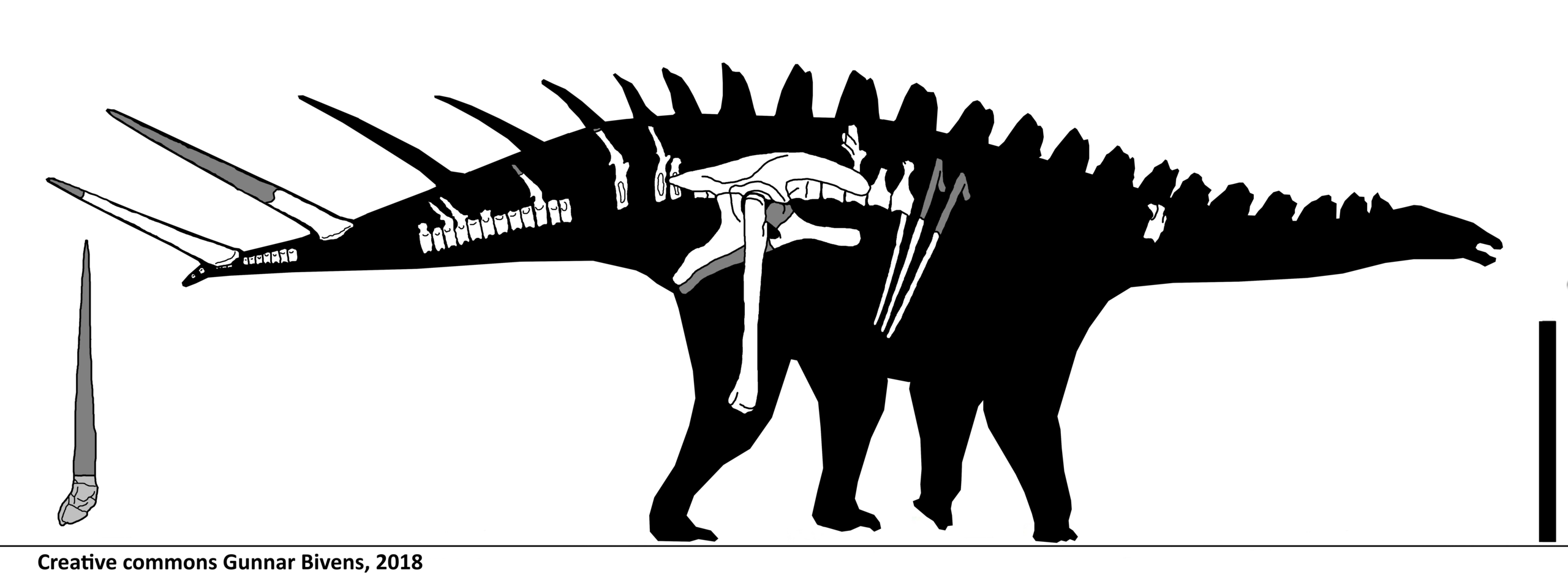
What is noteworthy is that the fossil remains, which consist of the front half of the skeleton, are remarkably well preserved. These include some skull fragments that give scientists valuable insight into the animal's head structure.
The neck of Miragaia is particularly notable, with 15 preserved vertebrae. Only the first and second cervical vertebrae are missing, but the rest provides a comprehensive insight into the neck anatomy.
In addition to the neck, the fossil record includes various other skeletal elements. Preserved bones include ribs, shoulder blades and parts of the forelegs.
These additional remains are helping paleontologists piece together a more complete picture of Miragaia's body structure and possible movements.
This extensive fossil collection has allowed researchers to make detailed comparisons with other stegosaurs, expanding our understanding of this fascinating group of dinosaurs.
Systematics of Miragia
How does Miragaia fit into the bigger picture of stegosaur evolution? This genus of dinosaurs has challenged some previously held views about stegosaurs and their relationships.
Miragaia is classified in the subfamily Dacentrurinae along with another European stegosaurus, Dacentrurus. This classification is significant because it contradicts the traditional view that Dacentrurus was a basal stegosaurus.
The discovery of Miragaia has expanded our understanding of stegosaur diversity and evolution. Some physical adaptations of stegosaurs, such as the possible presence of two rows of bony plates, have also been noted in Miragaia.
It turns out that these dinosaurs had a wider range of morphological features than scientists previously thought. This newfound diversity suggests that stegosaurs were more adaptable and diverse than previous research suggested.
| length | 7.7 meters |
| Weight | 3 tons |
| locomotion | Four-legged |
| food | herbivores |
Systematics
| Dinosauria |
| Ornithischia |
| Genasauria |
| Thyrophora |
| Eurypoda |
| Stegosauria |
| Stegosauridae |
| Dacentrurinae |
Occurrence in time
| chalk |
| 154.7 to 147.7 million years |
| late Kimmeridgian to early Tithonian |
Happen
| Area | Europe |
| country | Portugal |
| region | Lisbon |
| formation | Lourinha |