
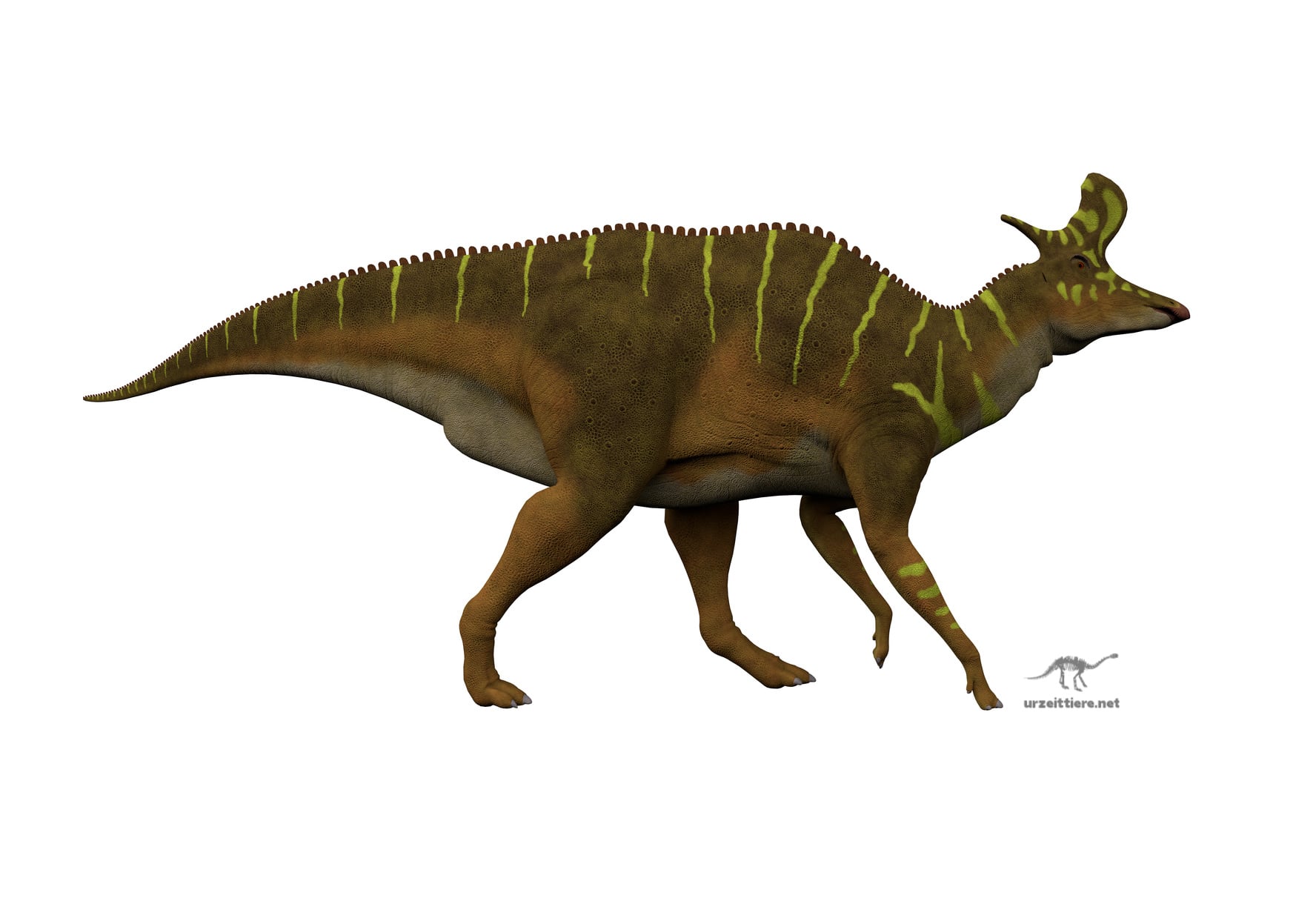
Lambeosaurus
Lambeosaurus was a dinosaur that lived about 75 million years ago in North America during the Late Cretaceous Period. It was a herbivorous dinosaur that could move on both legs and all fours.
It had a long tail, stiffened by ossified tendons that prevented it from drooping.
The hands had four fingers, with the innermost finger of the usual five fingers missing.
This dinosaur also had a flattened, duck-like snout with no front teeth.
Lambeosaurus had a distinctive hollow, bony crest on its head that contained hollow nasal passages.
The crest of Lambeosaurus was different in the two known species, with L. lambei having a taller, narrower, more rectangular crest with a secondary upward projection, while L. magnicristatus had a shorter, wider, rounded crest.
This crest was largely formed by the premaxillae and was displaced forward compared to similar dinosaurs such as Corythosaurus and Hypacrosaurus. It served various functions, possibly as a snorkel or an air chamber to store breathing air, make sounds or recognize each other.
Two species of Labeosuarus are currently recognized
- Lambeosaurus lambei
- Lambeosaurus magnicristatus
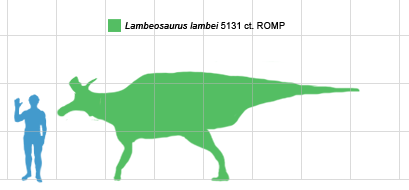
Lambeosaurus magnicristatus was slightly smaller than its counterpart. It was 7.2 meters long and weighed around 1.9 tons.
| length | 7.7 meters |
| Weight | 2.3 tons |
| locomotion | Four-legged / Two-legged |
| food | herbivores |
What were the hollow nasal passages in the crest of Lambeosaurus used for?
The purpose of the hollow nasal passages in the crest of Lambeosaurus is still controversial among scientists, and various functions have been proposed based on the structure of the crest and nasal passages.
Some researchers suggest that the crest served as either a snorkel or an air chamber to store a supply of breathing air so that Lambeosaurus could hold its breath while feeding underwater.
Others suggest that the comb served to make sounds or to recognize each other. According to one study, the nasal passage of lambeosaurs is enclosed by thin bony plates that extend caudodorsally, forming a series of interconnected chambers that may have played a role in vocalization, thermoregulation, or the sense of smell.


Systematics
Ornithischia
Genasauria
Neornithischia
Cerapoda
Ornithopoda
Iguanodontia
Ankylopollexia
Styracosterna
Hadrosauriformes
Hadrosauroidea
Hadrosauromorpha
Hadrosauridae
Lambeosaurinae
Lambeosaurini
Occurrence in time
chalk
Upper Cretaceous
Campanium
Happen
North America
Country: Canada
Region: Alberta
Formation: Dinosaur Park

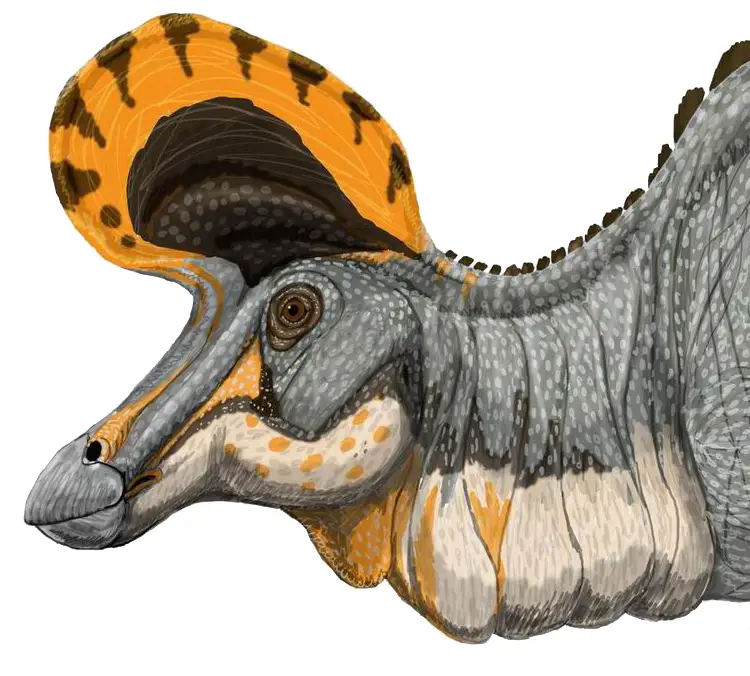
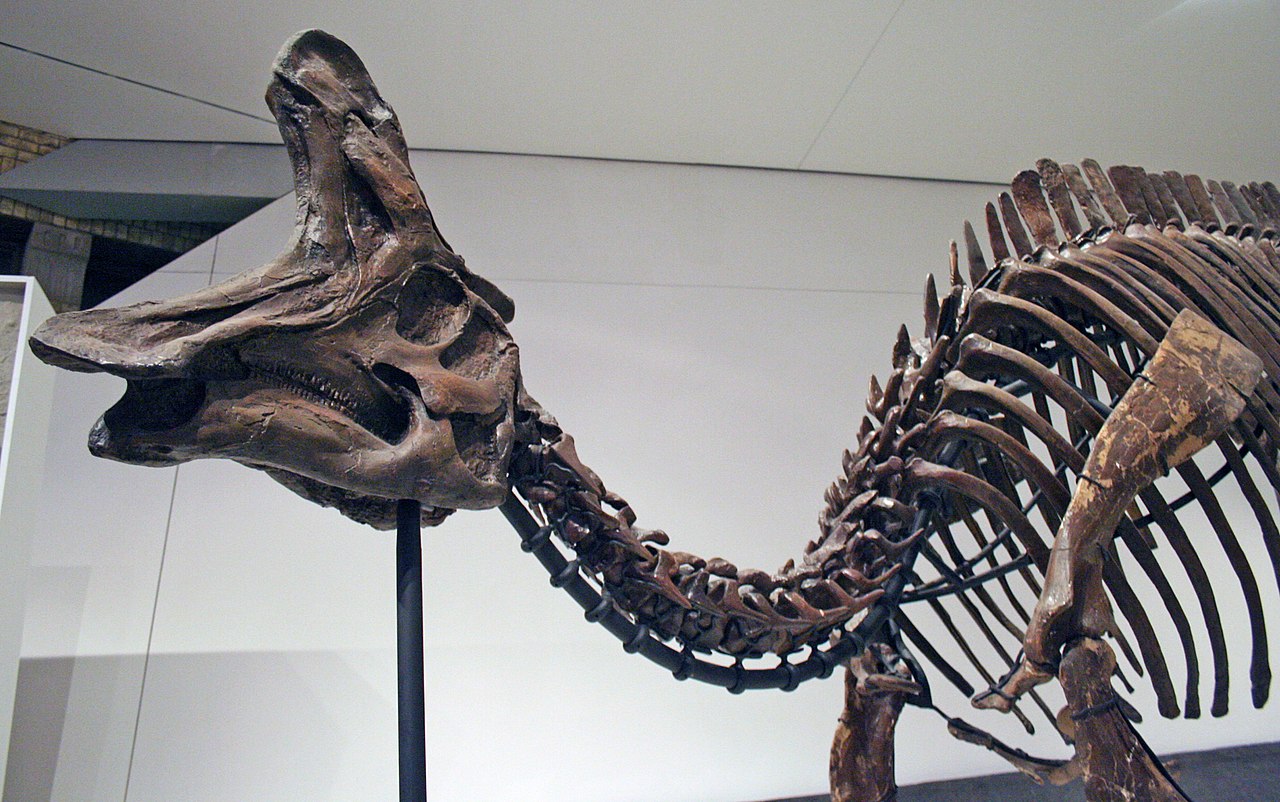
Image sources:
Size comparison: Dinoguy2, CC BY-SA 4.0, via Wikimedia Commons
Lambeosaurus_lambei 1: Etemenanki3, CC BY-SA 4.0, via Wikimedia Commons
Lambeosaurus_lambei: Robin Zebrowski, CC BY 2.0, via Wikimedia Commons
Lambeosaurus_magnicristatus: Богданов [email protected], Public domain, via Wikimedia Commons