
Caudipteryx
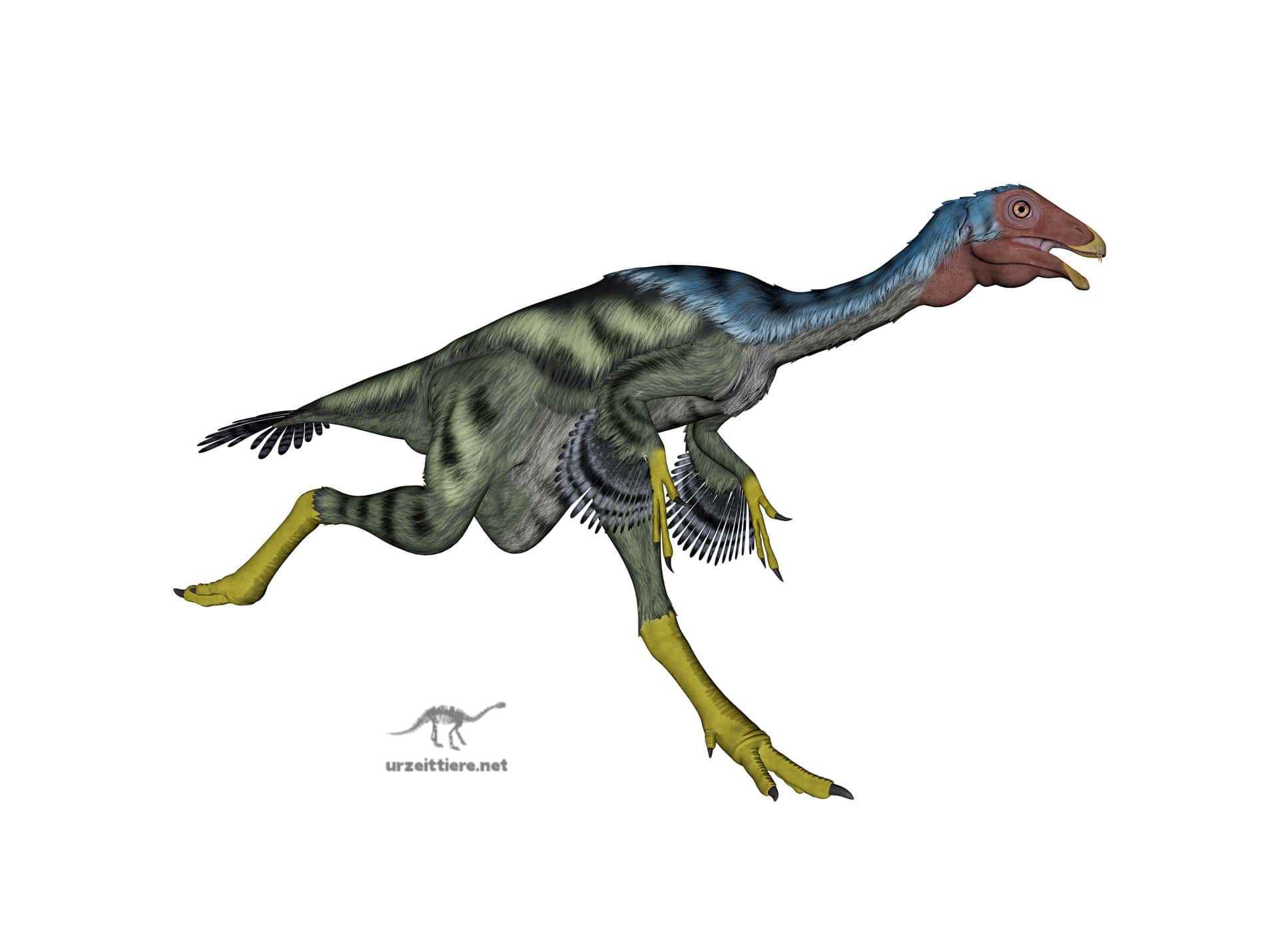
Caudipteryx, or “feathertail,” was a dinosaur during the Aptic Age of the Early Cretaceous (about 124.6 million years ago) that looked very similar to birds.
On average they were the size of a peacock.
They have been considered by paleontologists to be transitional between birds and non-avian dinosaurs, although the authenticity of their classification is disputed.
Two species of Caudipteryx have been described to date:
Caudipteryx dongi (2000) and
Caudipteryx zoui (1998).
Caudipteryx was a small, bird-like animal with an almost toothless beak and arm wings. It had a short tail that ended in a feather fan.
The fossils of Caudipteryx were first discovered in 1997 in the Yixian Formation in the Sihetun region of Liaoning Province in northeastern China.
Nutrition
One of the most exciting discoveries about Caudipteryx is its possible diet. Gastroliths are preserved in at least two specimens of Caudipteryx (NGMC 97 4 A and NGMC 97 9 A).
Gastroliths are small stones that some animals swallow to break down the food in their stomachs.
As with some herbivorous dinosaurs, the ancient bird genus Sapeornis, and modern birds, these gastroliths are preserved where the animals' gizzard would have been. This suggests that Caudipteryx may have been an omnivore, eating both plants and animals.
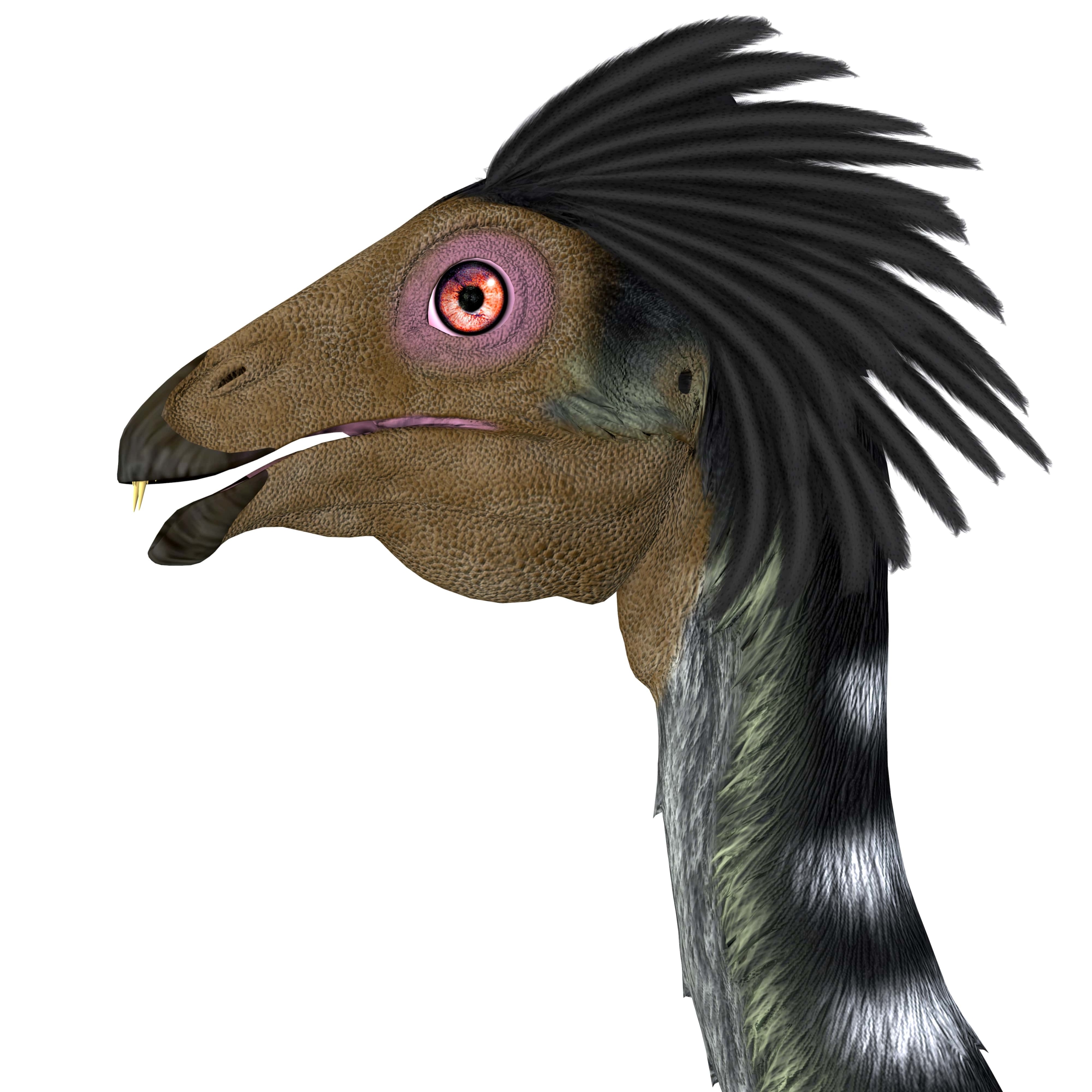
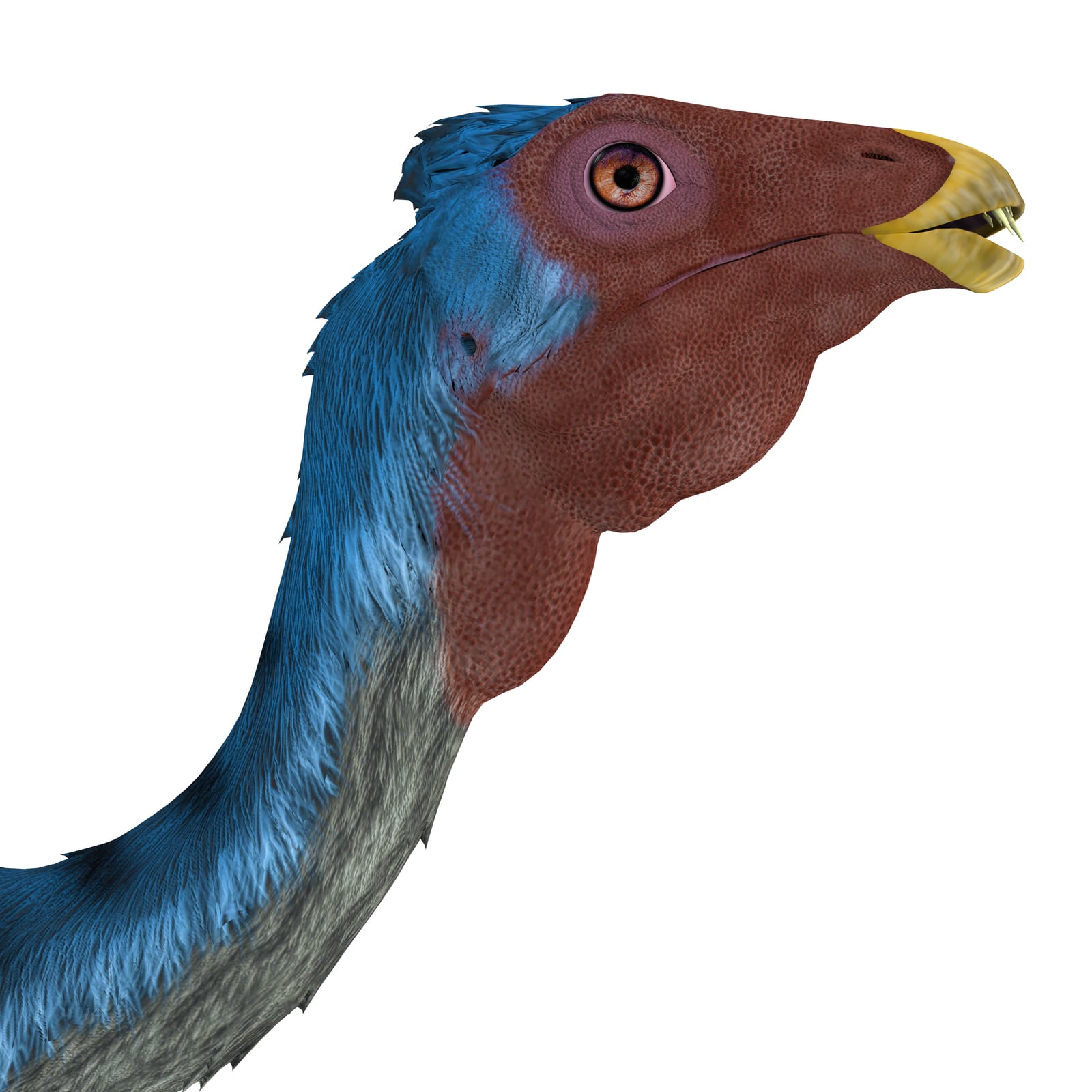
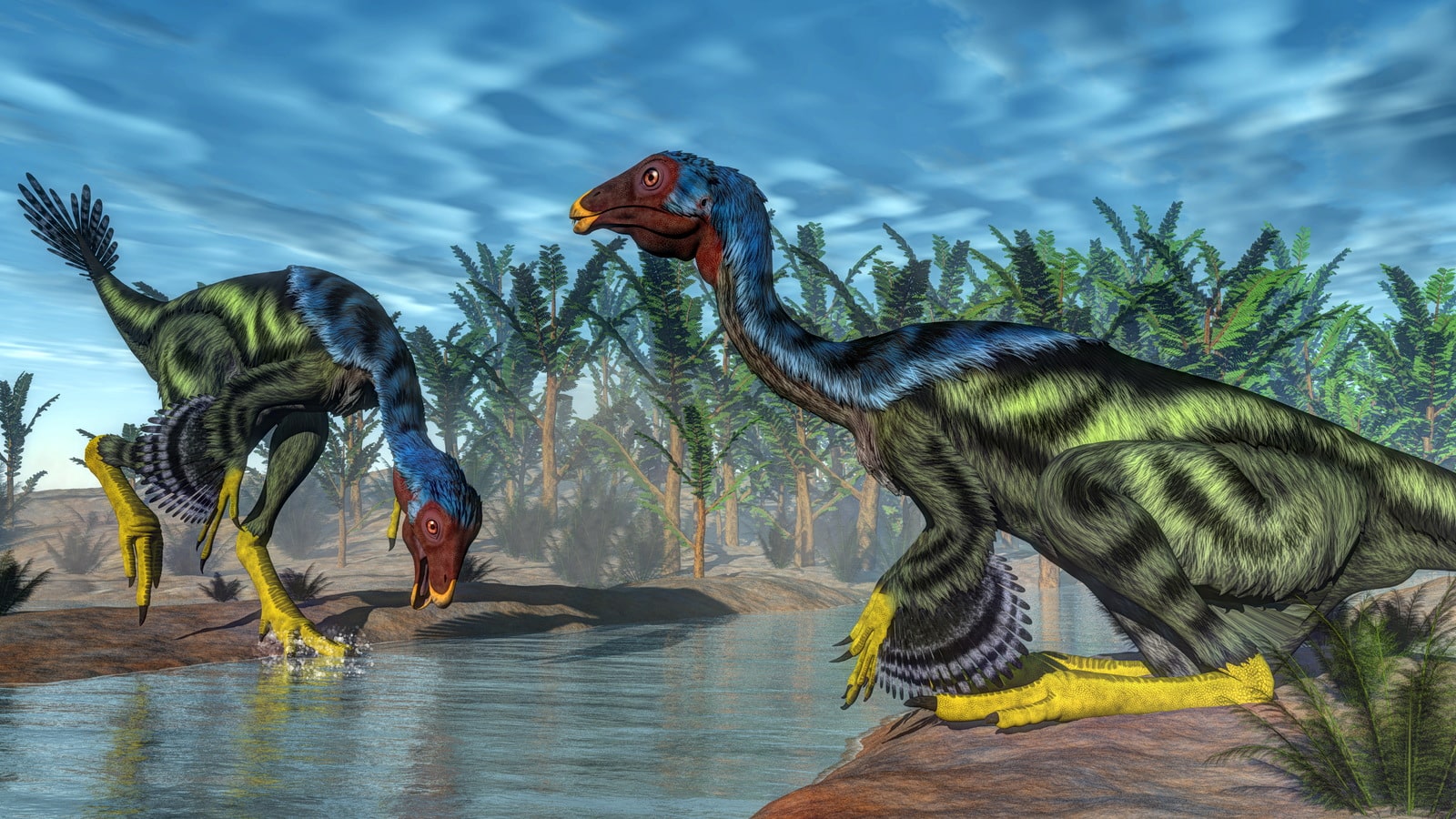
Image sources:
Size comparison: Caudipteryx-scale.png: Matt Martyniukderivative work: Serenthia, CC BY-SA 2.5 https://creativecommons.org/licenses/by-sa/2.5, via Wikimedia Commons