
Bagaraatan
Physical characteristics
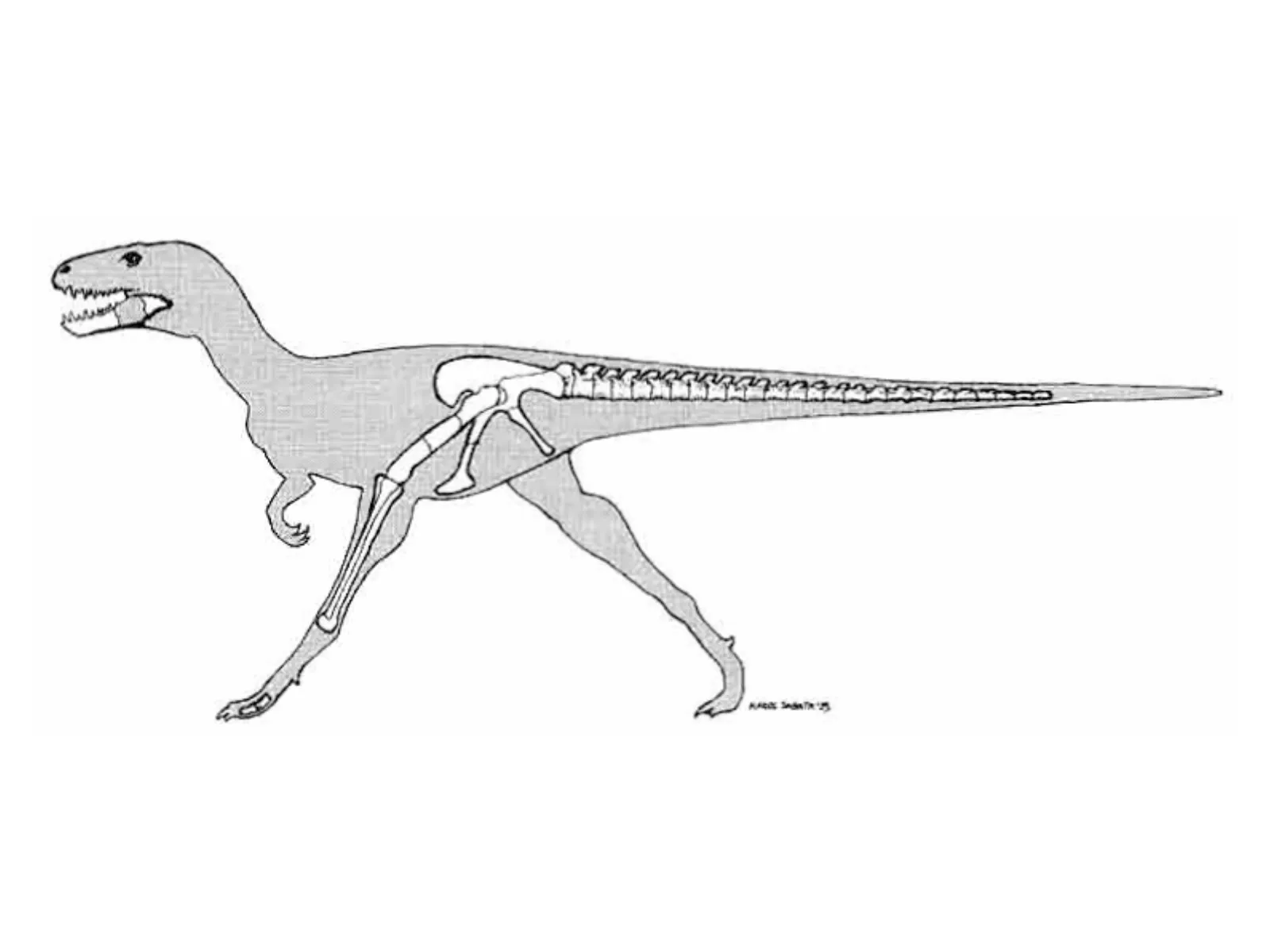
Bagaraatan ostromi was a small theropod that reached 2 to 3.5 meters in length. The cub weighed around 50 to 100 kilograms. This bipedal carnivore had a narrow, light skull and slender hind legs.

Classification and discovery
Scientists discovered Bagaraatan in 1970 during the seventh Polish-Mongolian paleontological expedition. The discovery occurred in Northern Sayr in the Nemegt region of Mongolia. Halszka Osmólska named and described the species in 1996. The name “Bagaraatan” means “small hunting animal” in Mongolian, while “ostromi” is a tribute to paleontologist John H. Ostrom.
Current research results
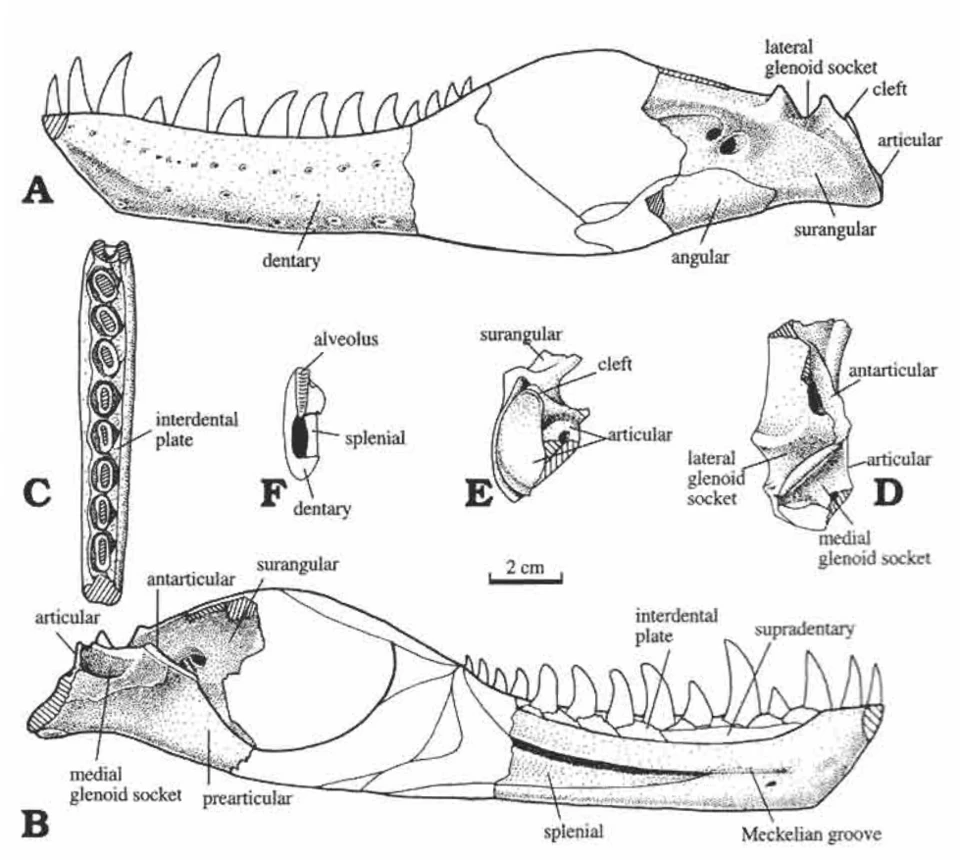
A 2024 study found that Bagaraatan specimens combine parts from two different dinosaur species. The leg bones belong to a Caenagnathidae oviraptosaur, probably Elmisaurus rarus. The jaw, cervical vertebrae, pelvis, and caudal vertebrae show distinct features of a tyrannosaur. These remains now represent one of the world's smallest known juvenile tyrannosaurs.
habitat and time period
Bagaraatan lived during the Late Cretaceous Period, more specifically the Maastrichtian period, around 70 million years ago. The dinosaur inhabited the area of today's Nemegt Formation in the Mongolian province of Ömnögov.
Scientific significance
The holotype specimen ZPAL MgD-I/108 includes part of the lower jaw, an incomplete pelvis, part of the left hindlimb and proximal caudal vertebrae. The small size and similarity to young Tyrannosaurus rex specimens help scientists understand how large tyrannosaurs grew and evolved.
Bagaraatan
| scientific name | Bagaraatan ostromi |
| Estimated size | Length: 3.2 meters Height: 1 meter Weight: 80 kilograms |
| geological era | Upper Cretaceous |
| Locations | Nemegt |
| Order | Saurischia |
| Subordination | Theropoda |
Physical characteristics
| anatomy | Bipedal theropod, approximately 2–4 m long, with a relatively small head and slender hind legs |
| Special features | Probably juvenile tyrannosaurid – one of the smallest known juvenile tyrannosaurids in the world; The original fossil turned out to be a chimera from two different dinosaurs in 2024 |
| locomotion | Two-legged |
| Skin texture | Unknown – no skin prints have been reported |
| Coloring | Unknown – no fossil evidence |
discovery
| Explorer | Osmólska |
| Discovery date | 1996 |
| Meaning of the name | Mongolian: baɣa (“small”) + araatan (“predator/carnivorous animal”) = “small predator” |
| Significant fossil finds | Partial skeleton with pieces of skull. |
In paleontology, the ratio of brain to body size, the so-called Encephalization quotient (EQ), used as a rough guide to relative intelligence.
| Intelligence (EQ) | Unknown - as a possible tyrannosaurid, average intelligence of comparable related species can be assumed, no measurement available |
| Social behavior | Unknown – only one copy known, no conclusions possible |
| Predators | Presumably exposed as a juvenile to large predatory dinosaurs from the Nemegt Formation (e.g. adult Tarbosaurus), no direct evidence |
Image sources:
Post image: Halszka Osmólska, CC BY 2.0, via Wikimedia Commons
Size comparison: Paleocolour, CC BY-SA 4.0, via Wikimedia Commons
Jaw: Halszka Osmólska, CC BY 2.0, via Wikimedia Commons