
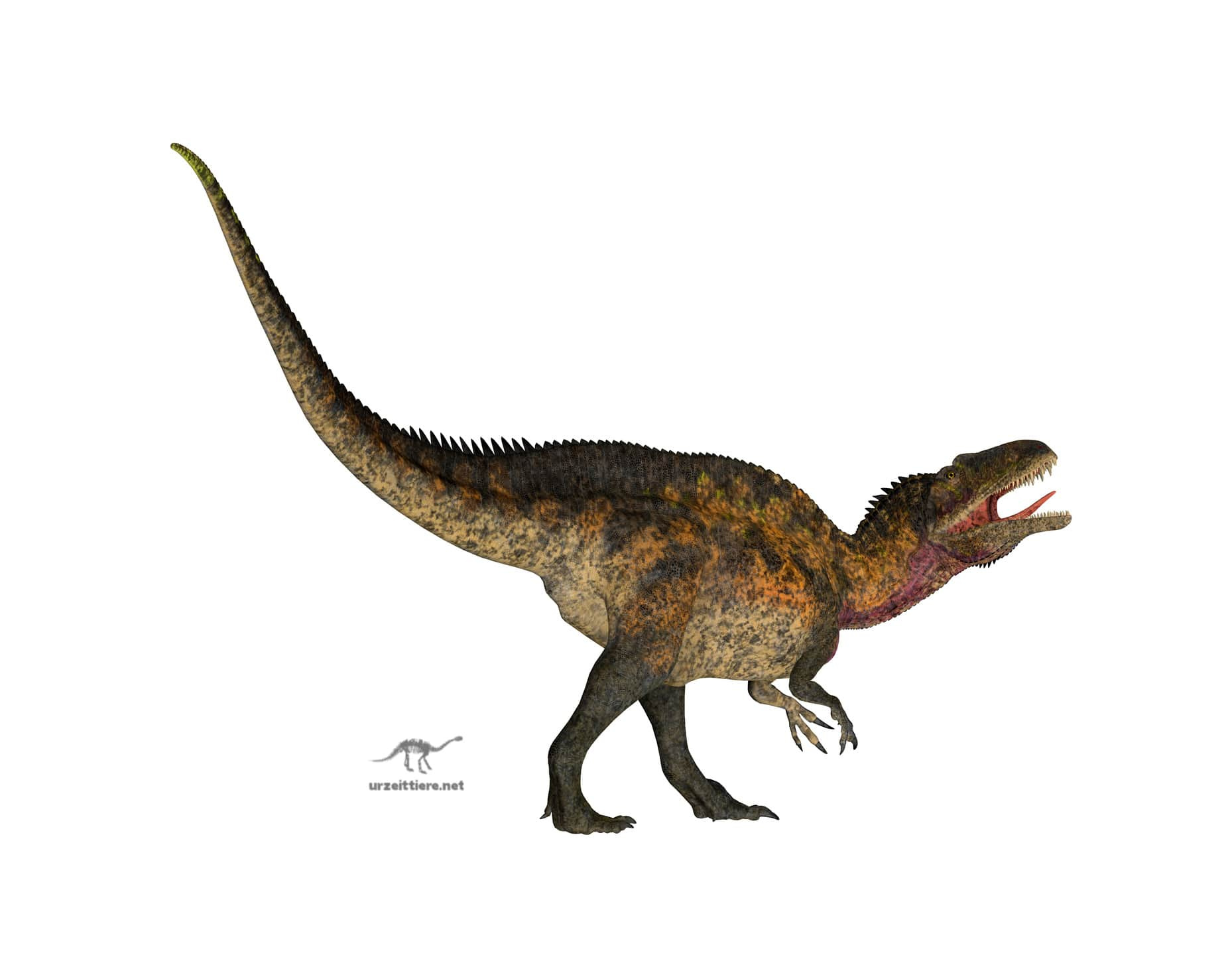
Acrocanthosaurus
Acrocanthosaurus is a genus of carnivorous dinosaurs that lived in Oklahoma, Texas, Maryland and Wyoming during the Early Cretaceous Period. Skeletons have been discovered in these locations, but paleontologists have also discovered Acrocanthosaurus teeth in Maryland.
There is only one species, which was named A.atokensis, which means tall-spined lizard. Acrocanthosaurus was a bipedal predator, and was probably the top predator of its environment. It is known for its elongated vertebral processes.
These vertebral processes probably formed the basis for one to half a meter tall sail.
Theropod footprints in Texas suggest it was Acrocanthosaurus, but there are no skeletal remains to prove this.
Quick facts about Acrocanthosaurus
Acrocanthosaurus
| scientific name | Acrocanthosaurus atokensis |
| Estimated size | Length: 11.5m Height: 5 m Weight: 5.8 tons |
| geological era | 126.3 to 107.5 million years |
| Locations | Twin Mountains, Cloverly |
| Order | Saurischia |
| Subordination | Theropoda |
Physical characteristics
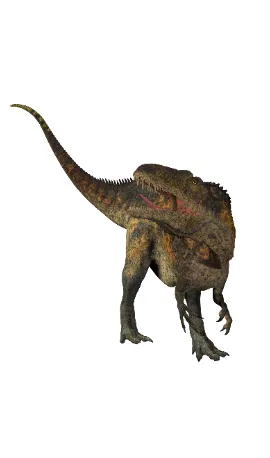
| anatomy | Very large, bipedal carnivore with powerful limbs and long tail |
| Special features | High, elongated spinous processes on dorsal vertebrae, possibly a sail or hump on the back |
| locomotion | Two-legged |
| Skin texture | Not directly known, probably scaly skin like other large theropods |
| Coloring | Unknown, no fossil evidence; Speculations range from muted to contrasting colors |
discovery
| Explorer | Stovall & Langston |
| Discovery date | 1950 |
| Meaning of the name | Greek: akro = high, akantha = sting, sauros = lizard |
| Significant fossil finds | Few partial skeletons (also with skulls) and many associated individual bones. |
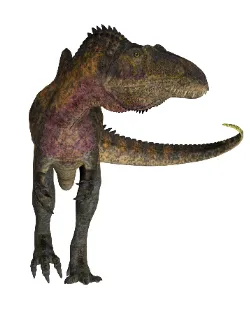
In paleontology, the ratio of brain to body size, the so-called Encephalization quotient (EQ), used as a rough guide to relative intelligence.
| Intelligence (EQ) | Brain structure similar to other large carcharodontosaurids, probably medium EQ |
| Social behavior | Presumably a solitary animal, he may have followed herds of sauropods as an opportunist |
| Predators | No known predators as it was considered an apex predator |
General characteristics
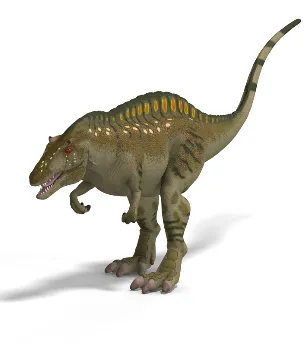
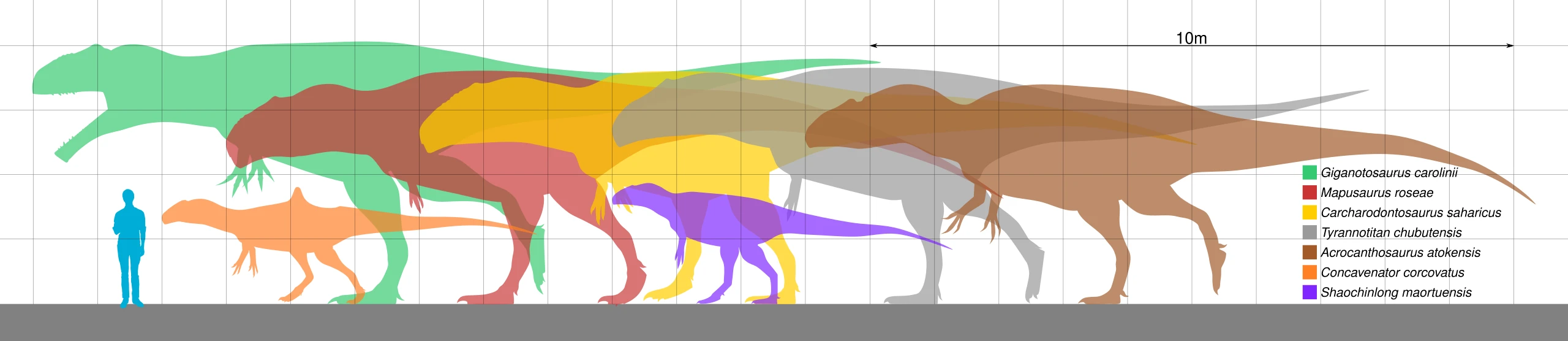
Acrocanthosaurus was a large theropod that had some notable features. One of the most striking of these was its considerable size; it reached lengths of around 10 to 12 meters and was estimated to weigh between 4.4 and 5 tons.
Postcranial skeleton
The skeleton of the Acrocanthosaurus was particularly notable for its Vertebral processes out of. These projections, which extended along the neck, back, hip area, and tail, were exceptionally high and formed a type of prominent dorsal crest or sail.
This structure was so prominent that it may have served as an anchor for massive axial musculature, indicating a physique designed for power rather than speed.
The limbs of Acrocanthosaurus were relatively short in relation to its body size.
Combined with the powerful back muscles suggested by the high spinous processes, this suggests that it was optimized for strength and robustness rather than speed.
Pathological findings
Fossil discoveries of Acrocanthosaurus revealed pathological features.
The holotype specimen of Acrocanthosaurus atokensis showed slight bony changes to the squamosal bone.
In addition, the spinous processes of the eleventh vertebra and the third caudal vertebra showed fractures and an unusual texture, indicating healing processes.
Brain structure of Acrocanthosaurus
The brain structure of Acrocanthosaurus was examined by reconstructing a cranial cast (endocast), a replica of the internal cavities of the cranial bone.
This reconstruction was performed using computed tomography (CT scans) to analyze the internal spaces of the holotype cranial bone (OMNH 10146).
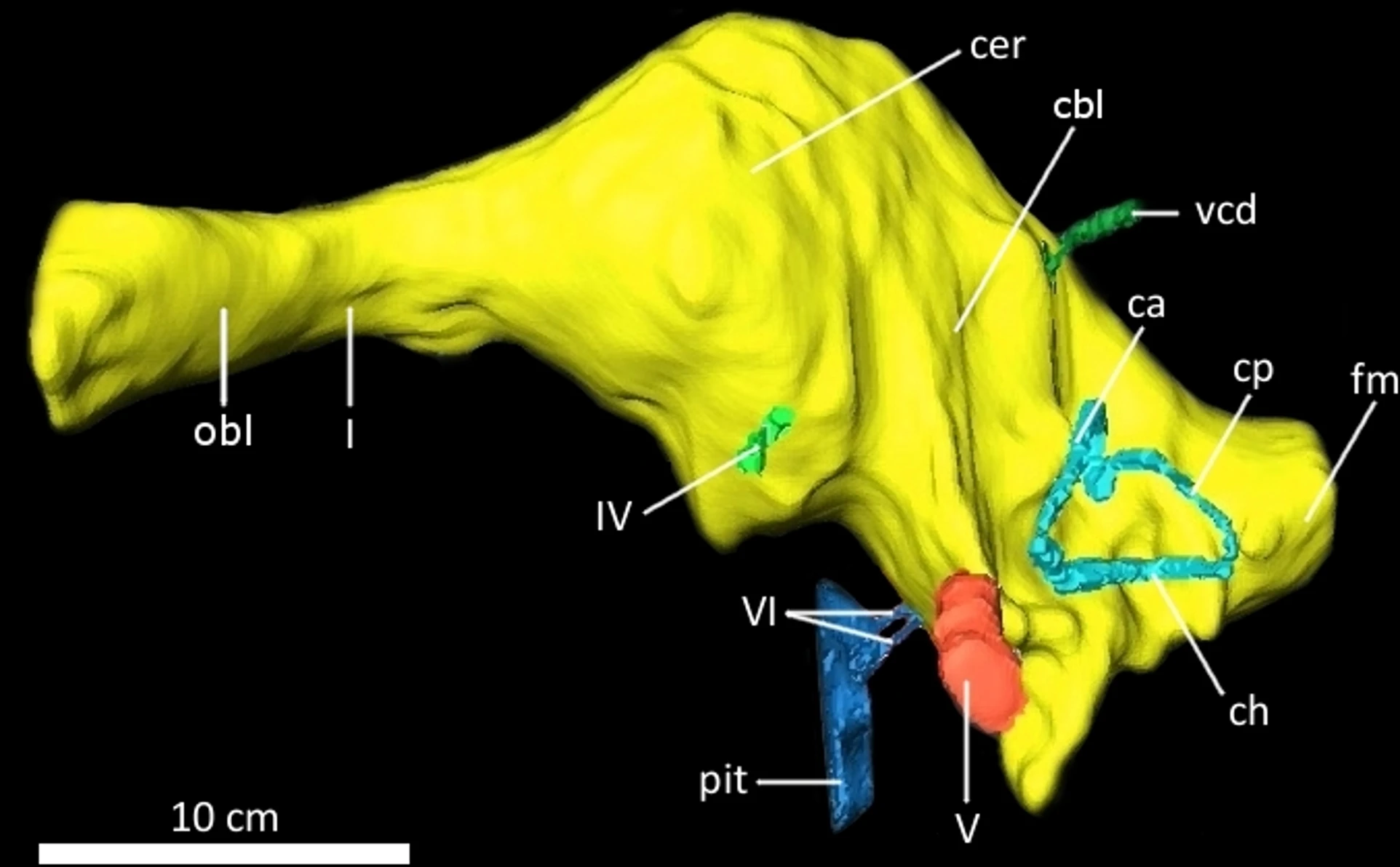
The brain of Acrocanthosaurus was similar in structure to other theropods, particularly the carcharodontosaurids. It was slightly sigmoidal (S-shaped) in shape and did not have highly expanded cerebral hemispheres, making it more similar to the brain of a crocodile than that of a bird.
This conservative structure is typical of non-coelurosaurian theropods.
A notable feature of the Acrocanthosaurus brain was the large and bulbous olfactory bulbs, indicating an effectively developed sense of smell. This potentially suggests that Acrocanthosaurus used its sense of smell to locate its prey. This would have been of great importance for a predatory dinosaur.
Inner ear structure
Reconstruction of the semicircular canals of the inner ear, which are responsible for equilibrium and balance, shows that the head of Acrocanthosaurus was held at an angle of about 25 degrees from the horizontal.
To determine this orientation, the endocast was oriented so that the lateral semicircular canal was parallel to the ground, as is usual in an awake animal.
Discovery and naming
Early discoveries
The story of Acrocanthosaurus began in the 1940s after the first fossils were discovered. These early finds initially remained unrecognized and their significance for paleontology was not understood.
It was not until the 1950s that the scientific value of this dinosaur was recognized. The initially significant fossils of Acrocanthosaurus were unearthed in the Antlers Formation in Oklahoma and laid the foundation for further investigations.
The significant discovery of 1983
One of the most important discoveries in the history of Acrocanthosaurus occurred in 1983.
On private land in southeastern Oklahoma, specifically in McCurtain County, amateur collectors Cephis Hall and Sid Love began excavating an unknown dinosaur specimen.
This specimen was later identified as the best specimen of Acrocanthosaurus known to date.
After the excavation, this specimen was purchased by Geological Enterprises, represented by Allen and Fran Graffham of Ardmore, Oklahoma. They funded the initial preparation and restoration of the skeleton.
A team of experts from the Black Hills Institute dedicated themselves to carefully cleaning the bones, detailing and assembling this fascinating dinosaur in a museum-like manner.
Naming
The name Acrocanthosaurus has its origins in Greek and means “high-spined lizard”. This name refers to the high vertebral processes that extend prominently along the dinosaur's neck, back and tail.
The scientific species Acrocanthosaurus atokensis was finally described and officially named by J. Willis Stovall and Wann Langston in 1950.
Museum exhibits
The original skeleton, along with the fully preserved skull, is now on display at the North Carolina Museum of Natural Sciences in Raleigh, North Carolina.
It offers visitors a unique opportunity to experience the impressive size and fascinating details of Acrocanthosaurus up close and learn the history of one of the most remarkable theropods.
Classification and systematics
Taxonomic classification
Acrocanthosaurus is classified within the dinosaur group of theropods. More specifically, it belongs to the infraorder Tetanurae and the superfamily Allosauroidea.
This superfamily is characterized by specific features, including the paired ridges on the nasal bones, which are exceptionally pronounced in some members of the group.
Family affiliation
The majority of paleontologists classify Acrocanthosaurus as a member of the family Carcharodontosauridae. This family includes some of the largest carnivorous theropods that lived during the Early Cretaceous.
Particularly famous are the robust skulls and enormous physical size that characterize these dinosaurs.
Gender and type
Acrocanthosaurus belongs to the genus Acrocanthosaurus, and the type species is Acrocanthosaurus atokensis.
This species was described and named in 1950 by J. Willis Stovall and Wann Langston. The name Acrocanthosaurus atokensis reflects the characteristically high spinous processes, which are a particularly striking feature of this species.
Phylogenetic relationships
Within the family Carcharodontosauridae, Acrocanthosaurus occupies an independent position that distinguishes it from other members of this group.
Phylogenetic analyzes suggest that Acrocanthosaurus is closely related to other large theropods such as Carcharodontosaurus and Giganotosaurus. This relationship is underpinned by shared evolutionary characteristics, with Acrocanthosaurus displaying some characteristics that set it apart from its relatives.
Growth and lifespan
Growth phases
The growth stages of Acrocanthosaurus are a fascinating field of research.
Studies have shown that Acrocanthosaurus, like many other dinosaurs, went through a period of rapid growth in its youth, followed by a slowing of growth in adulthood.
Skeletal features and growth
The skeletal features of Acrocanthosaurus, particularly the vertebral processes, provide clues to the animal's growth and muscular development. These tall spinous processes, which ran along the neck, back, and upper tail, supported powerful back muscles that developed as they grew.
The size and shape of these vertebral processes varied depending on the age and sex of the individual. Growth and maturation of Acrocanthosaurus was complex and multistage.
life
The lifespan of Acrocanthosaurus is difficult to determine, but based on comparisons with other theropods and observed growth rates, one can conclude that it lived for several decades.
Adult specimens of Acrocanthosaurus were up to eleven meters long and weighed up to seven tons. It took them a long time to reach their full size and strength.
This would mean that Acrocanthosaurus' lifespan would have been at least 20 to 30 years, similar to other large theropods.
Pathological findings and aging
Fossil finds of Acrocanthosaurus show pathological features that indicate aging processes and injuries.
Fractures and healing processes in the bones were found in some specimens. These animals were exposed to various stresses and injuries over a long period of time.
These findings support the theory that Acrocanthosaurus was a long-lived animal capable of recovering from injuries and surviving for many years.
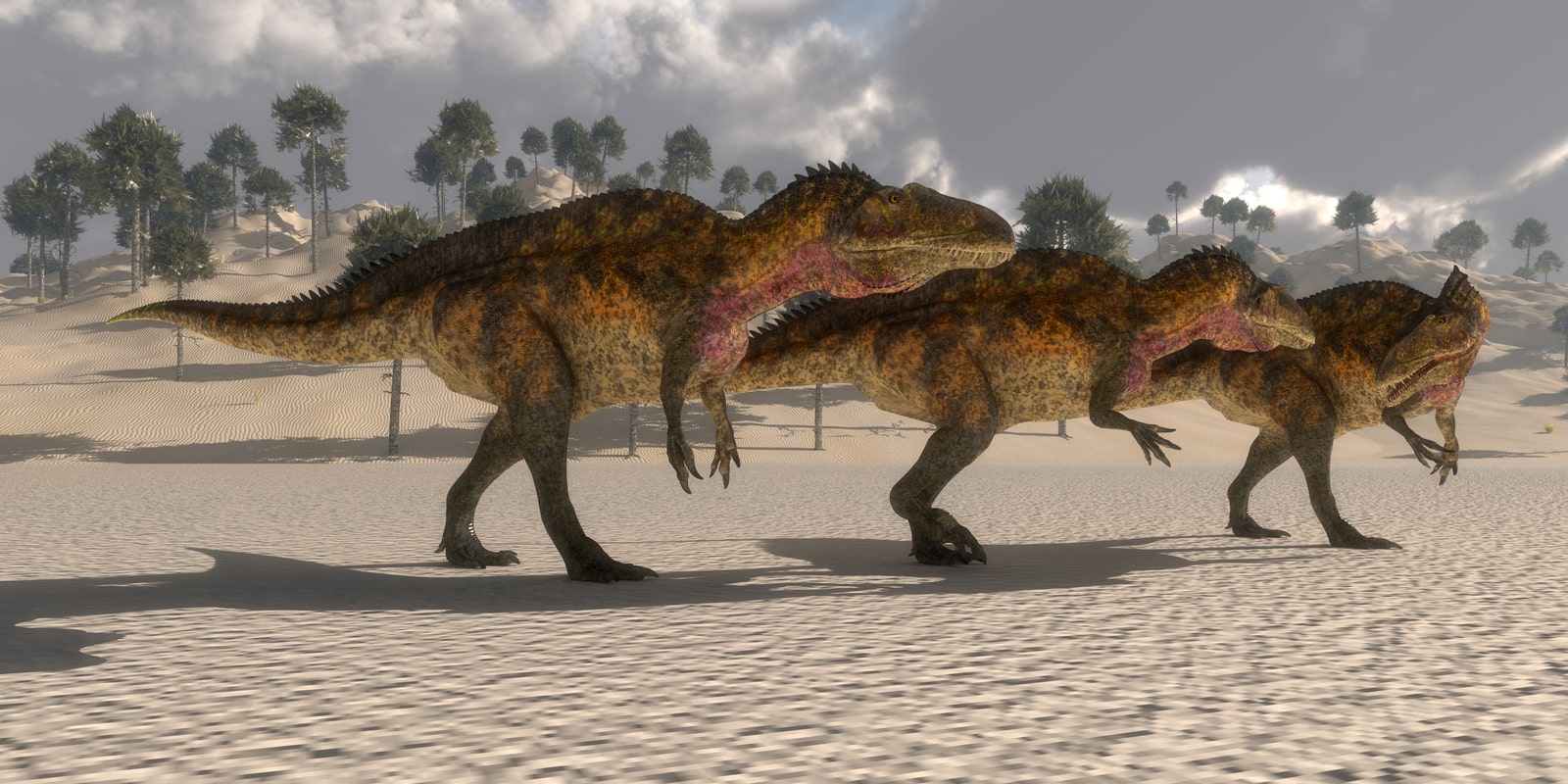
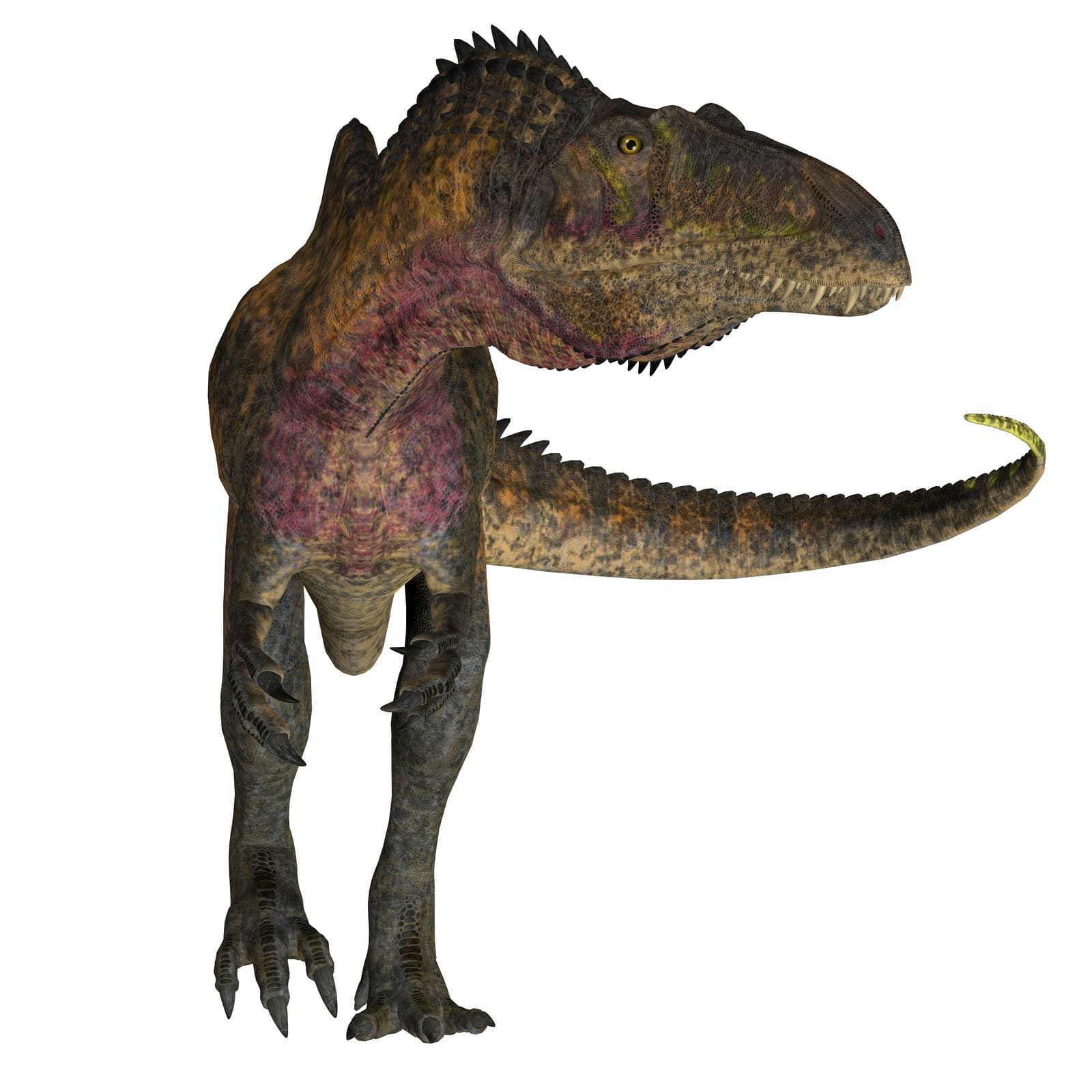
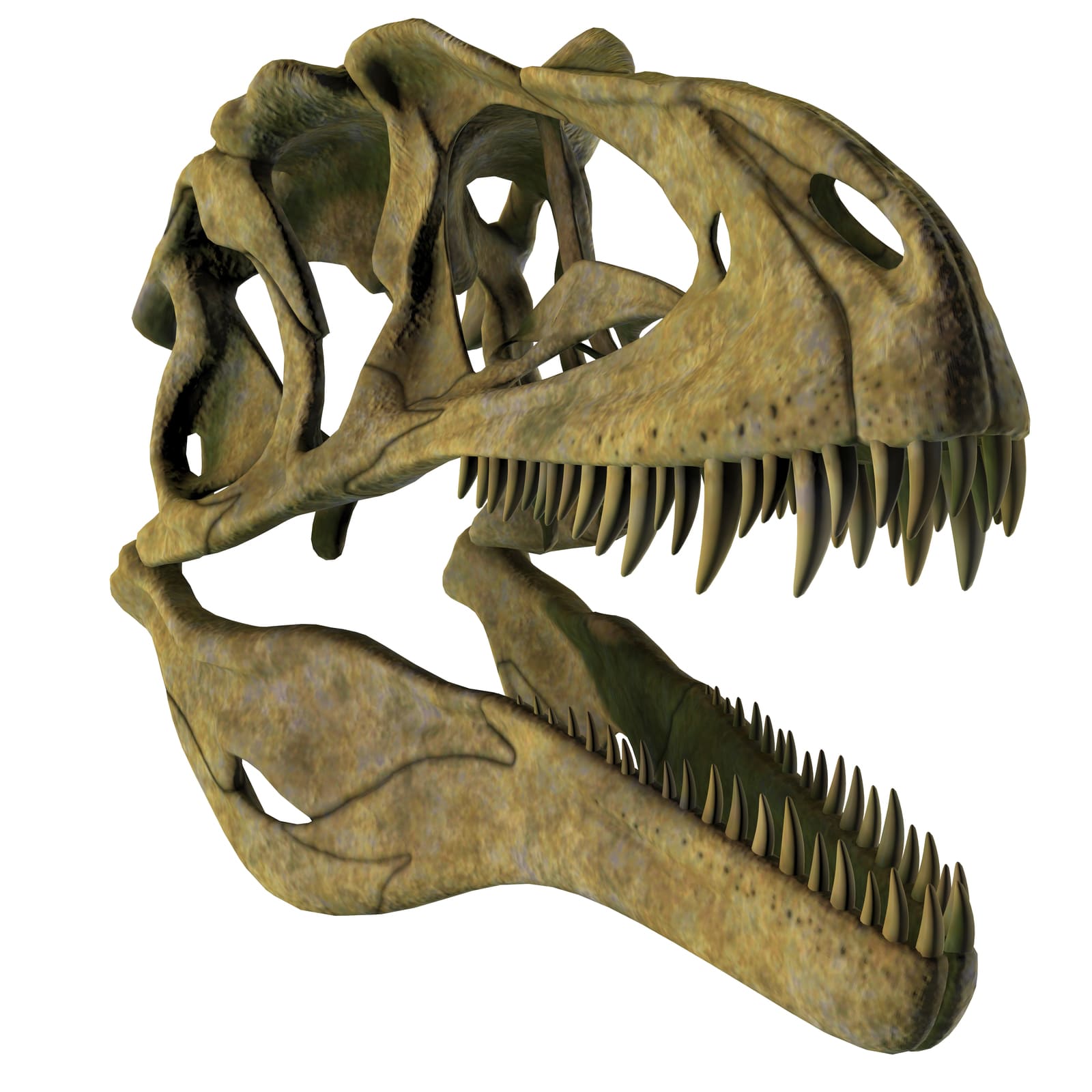
Image sources:
Size comparison: Slate Weasel, Public domain, via Wikimedia Commons
Digital endocranial endocast of the skull of Acrocanthosaurus atokensis (NCSM 14345) in left lateral view.: Drew R. Eddy¤*, Julia A. Clarke¤, CC BY 2.5, via Wikimedia Commons